Stop Losing Shape: 6 Posing Fixes That Changed How I Direct Models in the Studio

Stop Losing Shape: 6 Posing Fixes That Changed How I Direct Models in the Studio

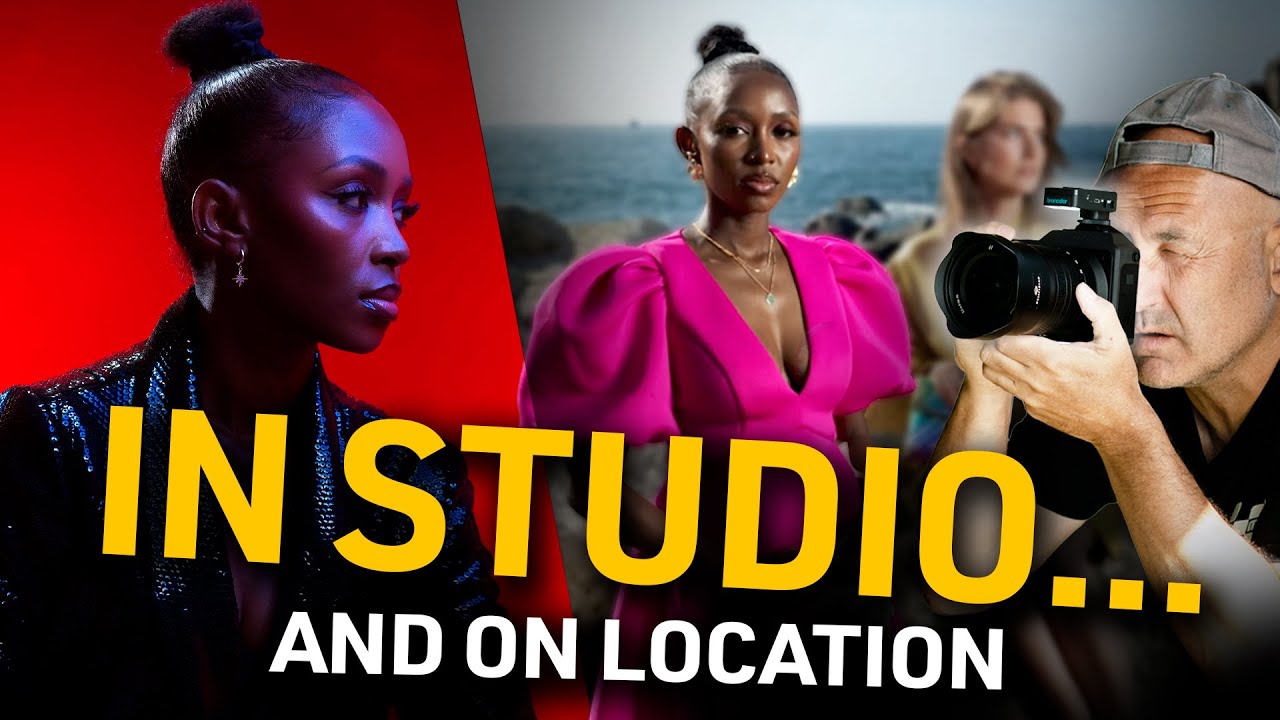
Posing is the part of studio photography nobody wants to admit they’re bad at. Lighting I can control with a meter and a diagram. Posing lives in real time, under pressure, with a model waiting and a client watching. For years I defaulted to a handful of safe positions and called it a day. The problem is “safe” posing produces flat images, and flat images don’t book repeat clients. In this Jessica Kobeissi tutorial on her YouTube channel, she walks through six of the most common posing mistakes photographers make when directing models, and more importantly, she demonstrates the exact corrections live, side by side.

Inside a Working Headshot Studio: What Shirin Tinati's South Bronx Space Teaches Us About Intentional Setup

Inside a Working Headshot Studio: What Shirin Tinati's South Bronx Space Teaches Us About Intentional Setup

There is a particular kind of exhaustion that comes from shooting in a space that fights you. Wrong traffic flow between the lounge and the shooting area, nowhere to hang a backdrop without breaking down another light stand, clients sitting in a chair that faces a chaotic pile of gear instead of something that calms them down. I have shot in spaces like that, and the work always shows it, not dramatically, but in that subtle tension clients carry when they don’t feel settled.

Small Studio, Smart System: What Felicia Schütte's Bonaire Setup Taught Me About Working in Tight Spaces

Small Studio, Smart System: What Felicia Schütte's Bonaire Setup Taught Me About Working in Tight Spaces

I shoot out of a 400-square-foot space in Los Angeles. That sounds like plenty until you factor in two light stands, a boom arm, a seamless backdrop roll, a prop corner, and enough floor space to actually move around your subject. Square footage disappears fast, and the photographers who figure out how to make a small room work well are the ones worth studying closely. When I came across this studio tour from The Portrait System featuring Felicia Schütte, a Portrait Masters Fellow working out of the island of Bonaire in the Dutch Caribbean, I watched it twice.

Get Your Video Light Off Your Camera (And Why It Changes Everything)

Get Your Video Light Off Your Camera (And Why It Changes Everything)

I shoot in a controlled studio most of the time. Every light has a label on it. Every modifier gets tested the day it arrives. I have a lighting diagram app on my phone that I built myself because the existing ones didn’t think the way I do. So when I started picking up more video work alongside my editorial and commercial jobs, the lack of that same control drove me a little crazy.

Get Your Video Light Off the Camera: How the Platypod Bracket Fixes Run-and-Gun Lighting

Get Your Video Light Off the Camera: How the Platypod Bracket Fixes Run-and-Gun Lighting

Run-and-gun video has always been the awkward cousin of controlled studio work. In the studio, I label every light with masking tape, sketch every setup in my lighting journal, and test every modifier before a client ever walks in. On location, chasing a moving subject? That whole system collapses. You can’t place a light on a stand when you’re following a couple down an alley or moving through a reception hall.

The Posing Fundamentals That Actually Stick: A Studio Photographer's Breakdown of Sue Bryce's Challenge Framework

The Posing Fundamentals That Actually Stick: A Studio Photographer's Breakdown of Sue Bryce's Challenge Framework

Posing is the part of portrait work most photographers quietly dread. Lighting I can diagram. Exposure I can calculate. But the moment a client walks in and stands flat-footed in the middle of my seamless, every instinct I’ve developed over years of commercial work has to fire at once — shape the body, read the energy, direct without stiffening them up. I’ve shot enough editorial work to know that bad posing kills a technically perfect frame faster than any lighting mistake ever could.

Reading Light: How to Identify and Build Classic Studio Lighting Patterns From Scratch

Reading Light: How to Identify and Build Classic Studio Lighting Patterns From Scratch

Every time I take on a new editorial client, I pull out my phone and open the lighting diagram app I built myself. Before a single strobe fires, I want a plan. But that habit only developed because I spent years doing the opposite — guessing, adjusting, guessing again — and occasionally ruining shots because I couldn’t read what the light was actually doing. The skill I was missing wasn’t gear knowledge.

Three Lights, Two Gels, One Killer Fashion Frame: Breaking Down Aaron Nace's High-Fashion Vault Shoot

Three Lights, Two Gels, One Killer Fashion Frame: Breaking Down Aaron Nace's High-Fashion Vault Shoot

Every few months I pull out my lighting journal and flip back through old setups. Some of them make me cringe. Some of them remind me that the best lighting problems get solved before the model ever walks onto the set. The high-fashion vault shoot that Aaron Nace (PHLEARN) breaks down in his tutorial sits firmly in the second category. It’s a tight, purposeful lighting plan built around a location’s existing character, and watching it laid out step by step answered a question I’ve wrestled with on editorial jobs for years: how do you introduce color into a shot without making the skin look like a Halloween costume?

Pro Product Photography in Tight Spaces: What Karl Taylor's Budget Shoot Actually Teaches You

Pro Product Photography in Tight Spaces: What Karl Taylor's Budget Shoot Actually Teaches You

I shoot commercial work out of a studio in Los Angeles that I’ve spent years optimizing. The right modifiers, the right power packs, enough ceiling height to do almost anything. And yet some of my most technically instructive moments have come from watching experienced photographers deliberately strip all of that away. There’s a specific kind of clarity that comes from constraints, and it’s something I try to remind myself of every time a client assumes that the quality of the final image scales directly with the size of the equipment rental invoice.

The Laser Trick That Changed How I Position Lights for Reflective Product Shots

The Laser Trick That Changed How I Position Lights for Reflective Product Shots

There’s a specific kind of frustration that comes from lighting a product with a glossy surface. You dial in what looks like a clean, controlled setup, take the shot, and the whole face of the product is a blown-out white rectangle. The name is gone. The color is gone. What you have is essentially a very expensive photograph of a reflection. I’ve been there more times than I want to admit, and it took me a long time to develop a reliable system for predicting where that reflection would land before I ever fired a strobe.

Studio Anywhere: What Joel Grimes' Sprinter Van Teaches Us About Portable Portrait Lighting

Studio Anywhere: What Joel Grimes' Sprinter Van Teaches Us About Portable Portrait Lighting

There’s a specific kind of anxiety that hits when a client wants “something different” and your entire lighting setup lives in a studio you can’t move. I’ve felt it. You start mentally cataloging what you can rent, what you can beg from another photographer, whether a speedlight-and-reflector combo can pull off the look you promised. The answer is sometimes yes, but the planning overhead is brutal. That’s why when I came across this Joel Grimes tutorial showing how he built a fully functional portrait studio inside a Winnebago Revel Sprinter van, I watched it twice before breakfast.

How I Set Up a Glamour Portrait Studio Session (And What I Learned from Tony Northrup's Shoot)

How I Set Up a Glamour Portrait Studio Session (And What I Learned from Tony Northrup's Shoot)

Every studio photographer eventually faces the same problem: too many moving pieces arriving at the same time. The model shows up, the makeup artist is still packing her kit, and you’re standing there trying to swap out a modifier while everyone watches. I’ve been there more than once in my early years, and it cost me momentum on shoots where momentum was everything. That’s why I keep coming back to tutorials that treat production logistics as seriously as they treat f-stops.