What Sue Bryce's Studio Design Teaches Every Working Photographer About Space, Flow, and Client Psychology

What Sue Bryce's Studio Design Teaches Every Working Photographer About Space, Flow, and Client Psychology

I’ve been in a lot of studios. Shot in borrowed spaces, rented daylight lofts, converted warehouses, and one genuinely terrible basement in Burbank where the ceiling was so low I had to angle every softbox sideways. What I’ve learned across all of them is that the physical space isn’t neutral. It talks to your clients before you do. It tells them what kind of photographer you are, what they can expect to pay, and whether they should trust you with something as personal as their own portrait.

What Street Photography Taught Me About Getting Out of My Own Way

What Street Photography Taught Me About Getting Out of My Own Way

I shoot in a controlled environment for a living. Every light in my studio has a strip of masking tape on it with a name. I have a custom app on my phone for drawing lighting diagrams. When a new modifier arrives, I test it the same day it shows up at my door. I built my career on the idea that photography is something you engineer. So when a street photographer made me genuinely reconsider the way I think about images, I paid attention.

Skip the Strobes: Why Natural Light is Your Best Teacher

Skip the Strobes: Why Natural Light is Your Best Teacher

I’ve watched countless photographers make the same mistake when starting out: they assume better portraits require better gear. They spend hundreds on a flash, a softbox kit, and light stands before they’ve learned to see light at all. It’s backwards, and it’s expensive. The truth I keep returning to is simpler and more humbling. The fastest path to stronger portraits isn’t through your credit card—it’s through training your eye to recognize and manipulate light that’s already there.

Why Your Flash Photos Look Flat (And the One Ratio That Fixes Almost Everything)

Why Your Flash Photos Look Flat (And the One Ratio That Fixes Almost Everything)

The Shot That Cost Me a Client I was twenty-nine, and I had just landed my first real editorial job. The brief was a six-page fashion spread, decent budget, a full studio day. I showed up confident. I had my flashes dialed, my backdrop pressed, my assistant briefed. What I did not have was a properly calibrated color temperature across my lights. Two of my strobes were older units running warmer than the others.

Why Your Studio Workflow Is Costing You an Hour Per Shoot (And How to Fix It)

Why Your Studio Workflow Is Costing You an Hour Per Shoot (And How to Fix It)

The Shoot That Made Me Rethink Everything I once showed up to a corporate headshot day with twelve subjects booked in four hours and no written lighting plan. I had the setup in my head. I’d shot similar work a hundred times. What I hadn’t accounted for was the studio assistant I’d never worked with before, a modeling session that ran over and compressed my setup window, and the fact that I’d swapped my key light modifier the night before and hadn’t re-metered the ratios.

How to Light and Pose Swimwear in the Studio Without a Pool, a Beach, or a Prayer

How to Light and Pose Swimwear in the Studio Without a Pool, a Beach, or a Prayer

Last month I got a booking from a small activewear brand that had pivoted into swimwear. They needed catalog shots, clean white-background stuff, and a handful of editorial-leaning images for their website hero. I’ve shot plenty of fitness and apparel work, but swimwear has its own specific gravity. The lighting that flatters a jacket flatters almost nothing else. The posing that reads confident in sportswear can read uncomfortable or overly exposed in a swimsuit.

From Forgotten Shed to Creative Haven: Building a Professional Studio in Minimal Space

From Forgotten Shed to Creative Haven: Building a Professional Studio in Minimal Space

The Constraints That Drive Innovation I’ve spent years watching photographers and artists struggle with the same problem: limited space, unlimited ambition. So when I learned about how one Pixar illustrator transformed a neglected shed into a fully functional creative workspace, I had to dig deeper. The result is a masterclass in constraint-driven design that applies directly to how we approach studio photography and lighting. The project demonstrates something I’ve always believed—your space doesn’t determine your output; your intentionality does.

The Uncomfortable Truth About Owning Your Digital Creative Assets

The Uncomfortable Truth About Owning Your Digital Creative Assets

When “Ownership” Doesn’t Mean What You Think I’ve spent years teaching photographers how to light a scene, pose subjects, and build a professional studio practice. But there’s one lesson I wish more creatives would learn before they start: you probably don’t actually own the digital content you think you’ve purchased. Here’s what just happened in Europe. Customers who bought films through the PlayStation Store are losing access to their purchases. The vendor is shutting down their digital storefront in certain regions, and those purchases?

Your Glossy Products Are Mirrors. Start Lighting Them That Way.

Your Glossy Products Are Mirrors. Start Lighting Them That Way.

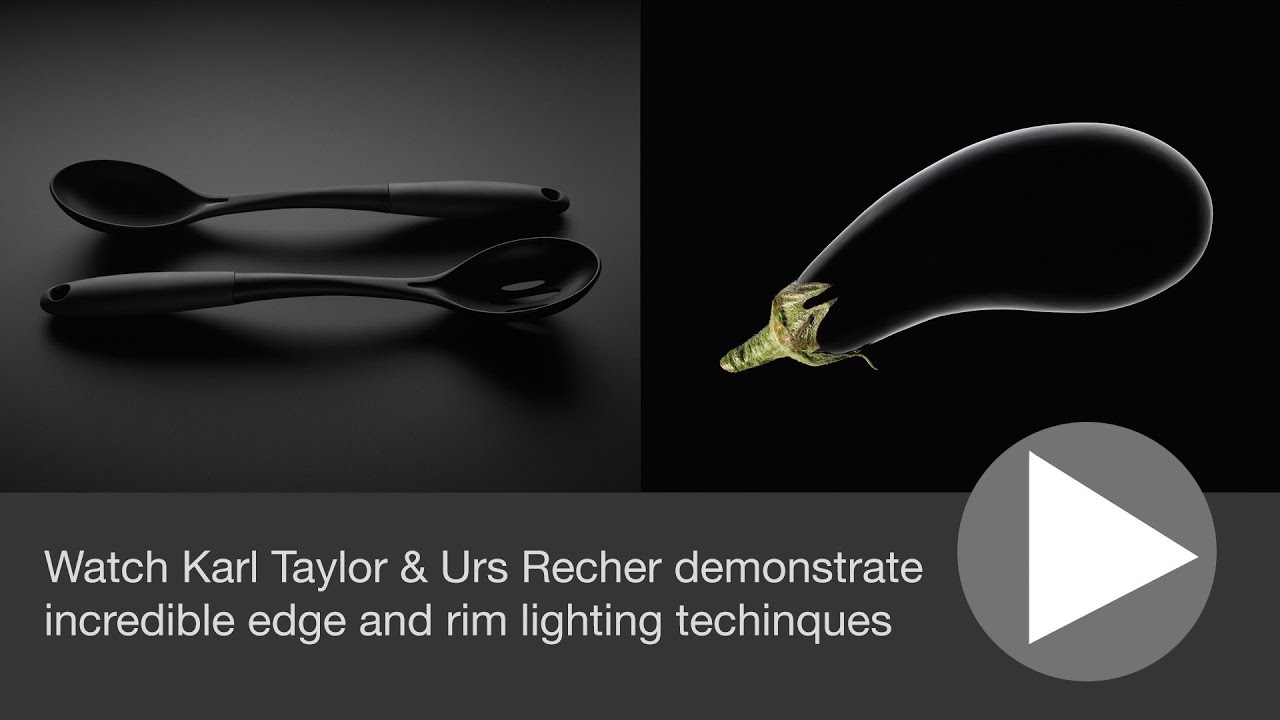
Every commercial photographer has a version of this story. A client sends over a cosmetics product, something small and impossibly shiny, and you set up what feels like a reasonable light position and fire a test shot. The result looks like a snapshot from a drugstore circular. The surface is either blowing out in a hot white blob or reading as a flat, lifeless panel with no dimension whatsoever. I have a lighting journal where I sketch every setup from every shoot, and I can flip back through dozens of pages where a note in the margin reads some version of “glossy surfaces are the enemy.

The Social Media Formula Behind 730K Followers (And What Studio Photographers Can Actually Steal From It)

The Social Media Formula Behind 730K Followers (And What Studio Photographers Can Actually Steal From It)

Social media has never been the part of this job I enjoy. I am much more comfortable taping modifier names onto barn doors and sketching light plots in my journal than I am writing captions or thinking about posting schedules. But the business reality of running a studio in Los Angeles is that the photographers who get consistent work are the ones who show up consistently online. That tension has been sitting on my desk for years.

Why Your Flash Photos Look Flat (And the One Setting Most Photographers Never Touch)

Why Your Flash Photos Look Flat (And the One Setting Most Photographers Never Touch)

The Shot That Almost Ended My Career Before It Started I was twenty-six, second year shooting professionally, and I had just landed my first real editorial assignment. A fashion spread for a regional magazine, nothing massive, but it mattered. I showed up, set my lights, shot the whole day feeling confident. The images came back from the lab with a color cast so green it looked like the model was standing inside a fish tank.

Why Lighting Ratios Are the First Thing I Check When a Studio Shot Isn't Working

Why Lighting Ratios Are the First Thing I Check When a Studio Shot Isn't Working

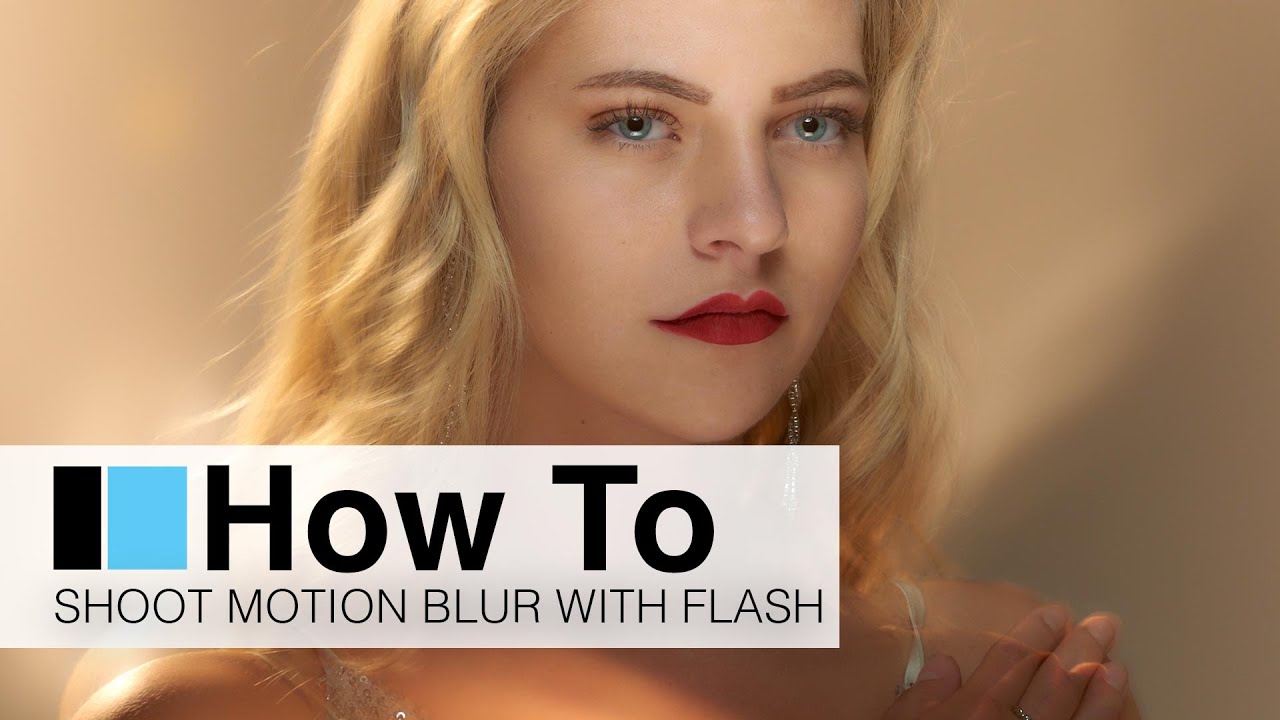
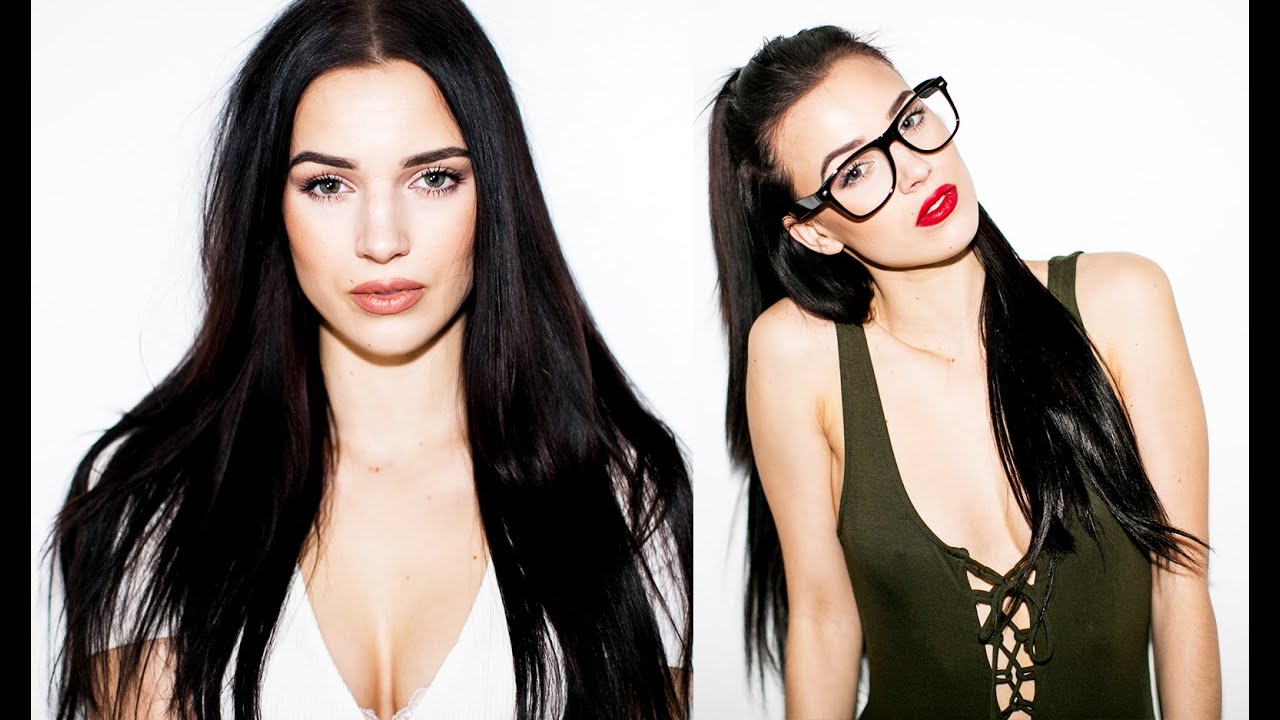
A few months back I was mid-way through a beauty editorial, two hours in, and something was off. The skin tones looked flat on one side and blown out on the other, and I kept adjusting my key light position when the real problem was simpler and more embarrassing. My ratio was wrong. I had not set a deliberate relationship between my key and fill before the first frame. I was chasing a symptom instead of diagnosing the cause.