Why Lighting Ratios Are the First Thing I Check When a Studio Shot Isn't Working

Why Lighting Ratios Are the First Thing I Check When a Studio Shot Isn't Working

A few months back I was mid-way through a beauty editorial, two hours in, and something was off. The skin tones looked flat on one side and blown out on the other, and I kept adjusting my key light position when the real problem was simpler and more embarrassing. My ratio was wrong. I had not set a deliberate relationship between my key and fill before the first frame. I was chasing a symptom instead of diagnosing the cause.

The Neewer Q120: Bridging the Gap Between Speedlights and Studio Strobes

The Neewer Q120: Bridging the Gap Between Speedlights and Studio Strobes

The Middle Ground Problem For years, location photographers faced a frustrating choice: carry a speedlight with limited power, or haul full-size studio equipment that defeats the purpose of being mobile. I’ve watched colleagues struggle with this decision on countless outdoor portrait sessions. The Neewer Q120 attempts to solve this equation, and after testing it extensively, I have clear thoughts on whether it succeeds. Power Without the Burden The Q120 delivers 120 watt-seconds of output in a package that weighs less than most battery grips.

One Light, Done Right: How a Single Strobe Can Outperform a Five-Light Setup

One Light, Done Right: How a Single Strobe Can Outperform a Five-Light Setup

The Overcomplicated Studio Is Usually a Confidence Problem Early in my career I watched a photographer I deeply respected spend forty-five minutes adjusting a six-light setup for a headshot. He kept adding lights to fix problems the previous lights had created. A rim light to separate the subject from the background. A hair light to compensate for the rim light killing the shadow detail. A kicker on the opposite side because now the image felt unbalanced.

The Studio Workflow That Stops You Rebuilding the Same Lighting Setup Twice

The Studio Workflow That Stops You Rebuilding the Same Lighting Setup Twice

Every strip of masking tape in my studio has a name on it. Each light, each stand, each modifier gets labeled before a single strobe fires. My assistants think it’s obsessive. I think it’s the reason I can rebuild a beauty setup from six months ago in under twelve minutes while my client is still getting coffee. I did not always work this way. Early in my career, I winged it.

What Studio Closures Mean for Creative Professionals in Visual Production

What Studio Closures Mean for Creative Professionals in Visual Production

The Consolidation Wave Hits Creative Industries I’ve been watching a troubling pattern emerge across creative production sectors, and it’s worth our attention as photographers and visual artists. Word has circulated that several established creative studios face closure, marking another chapter in the ongoing consolidation of the entertainment industry. This kind of upheaval affects not just game developers—it reverberates through all creative fields, including photography and visual content production. Why This Matters to Our Community When creative studios fold, we lose more than just companies.

Two Paths to Better Flash: Neewer's Latest Studio and Location Solutions Compared

Two Paths to Better Flash: Neewer's Latest Studio and Location Solutions Compared

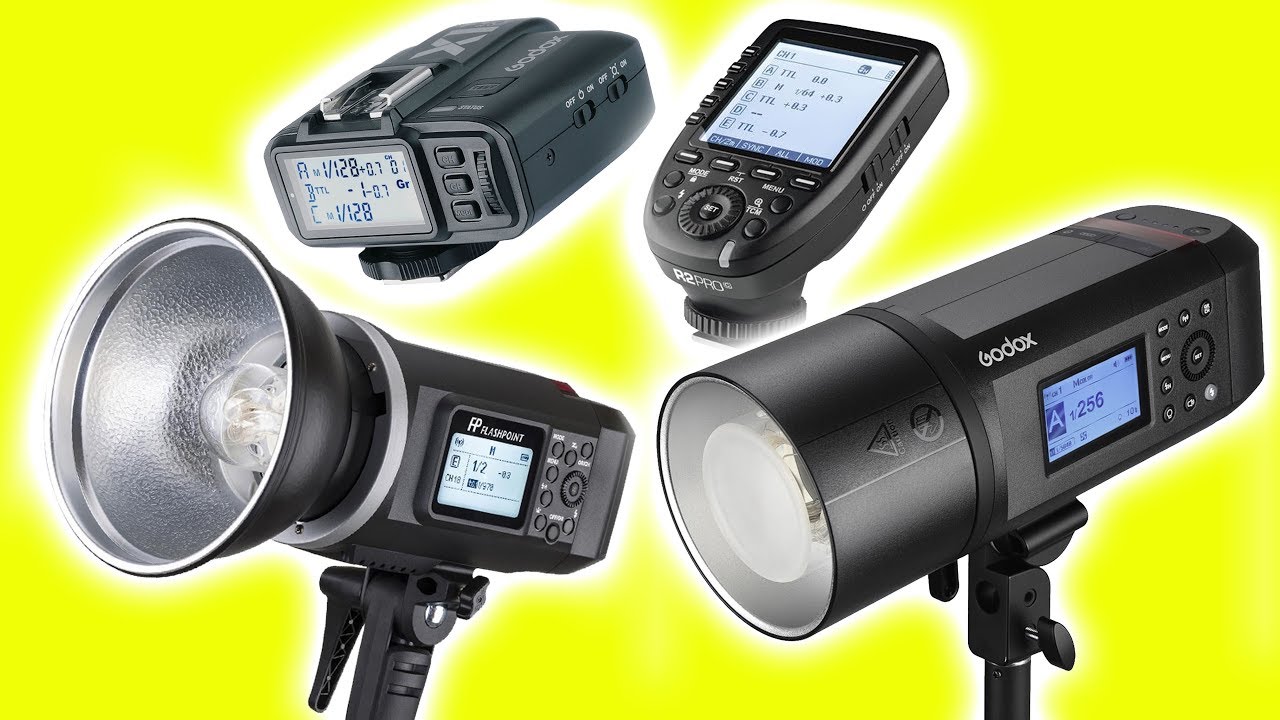
A Tale of Two Flash Philosophies I’ve spent enough time in both studio environments and on location shoots to know that one flash rarely serves all purposes well. Neewer seems to understand this fundamental truth, which is why their latest releases—the Q120 and Z3R—represent distinctly different answers to the question of what modern photographers actually need. The real question isn’t which flash is better. It’s which one solves your problems.

Why Your Subject Looks Stiff: The Posing Framework I Use on Every Studio Shoot

Why Your Subject Looks Stiff: The Posing Framework I Use on Every Studio Shoot

The Problem Isn’t the Pose — It’s the Sequence Last spring I was shooting a beauty campaign for a skincare brand. Eight-hour day, two models, a Profoto B10X on a 5-foot Octa camera left, a strip box at 45 degrees behind the subject for a rim. The lighting was dialed in before the first model even sat down. The problem? Twenty minutes into the shoot, every frame looked like a passport photo.

What a $20 Billion App Studio IPO Means for Creative Professionals

What a $20 Billion App Studio IPO Means for Creative Professionals

I’ve been watching the creative software landscape shift dramatically over the past few years, and the latest development deserves our attention. Bending Spoons, the Milan-based technology studio behind several applications photographers and videographers rely on—including Vimeo, WeTransfer, and various video editing platforms—has officially filed for an IPO with valuations floating around $20 billion. What This Means for Your Creative Arsenal When I first started building my studio workflow, I picked tools based on pure functionality.

Why Your Flash Photos Look Flat (And the Exposure Triangle Isn't the Problem)

Why Your Flash Photos Look Flat (And the Exposure Triangle Isn't the Problem)

The Shot That Taught Me to Stop Guessing Early in my career, I booked a beauty editorial for a regional magazine. I’d been shooting ambient and speedlight work for years, and this was my first real studio strobe job. I had the gear, I had the location, and I had absolutely no system. I dialed in what looked right on the back of the camera, shot 400 frames, and delivered the files.

Compact Flash Systems and Studio Storage: What Photographers Need to Know Right Now

Compact Flash Systems and Studio Storage: What Photographers Need to Know Right Now

The Rise of Compact Flash Systems The photography equipment landscape continues to evolve, and I’ve been paying close attention to the newest compact flash options hitting the market. These miniaturized systems represent a genuine shift in how we approach portable lighting—particularly relevant for those of us who work between studio and location settings. What strikes me most about current mini flash developments is their potential to democratize sophisticated lighting setups. Where we once needed substantial equipment cases and power supplies, photographers can now achieve comparable results with significantly less bulk.

One Desk Lamp, One Subject, Zero Excuses: What Project 3 Taught Me About Lighting Control

One Desk Lamp, One Subject, Zero Excuses: What Project 3 Taught Me About Lighting Control

There’s a specific problem that comes up constantly in commercial food and product work: shiny surfaces that either blow out completely or go flat and lifeless depending on where you put your light. I’ve burned through more test shots than I care to count trying to dial in the relationship between a glossy surface and the matte areas surrounding it. Too much light and you lose the specular highlight that tells the viewer “this is wet, this is fresh.

How Apple Crumble's Creepy-Cute Aesthetic Teaches Us About Mood Lighting in Narrative Games

How Apple Crumble's Creepy-Cute Aesthetic Teaches Us About Mood Lighting in Narrative Games

A Studio Lesson Hiding in Plain Sight I stumbled onto something fascinating while researching upcoming indie games: Happy Broccoli’s new mystery adventure, Apple Crumble, demonstrates lighting principles that every studio photographer should understand. The team has crafted what they’re calling a “creepy-cute” experience—and the visual language they’re using is pure lighting mastery. The Balance Between Warmth and Unease What caught my attention immediately is how the game’s aesthetic mirrors the fundamental challenge we face in portrait studios: balancing comfort with intrigue.