One Light Is Enough: How a Single Strobe Teaches You Everything You've Been Ignoring

One Light Is Enough: How a Single Strobe Teaches You Everything You've Been Ignoring

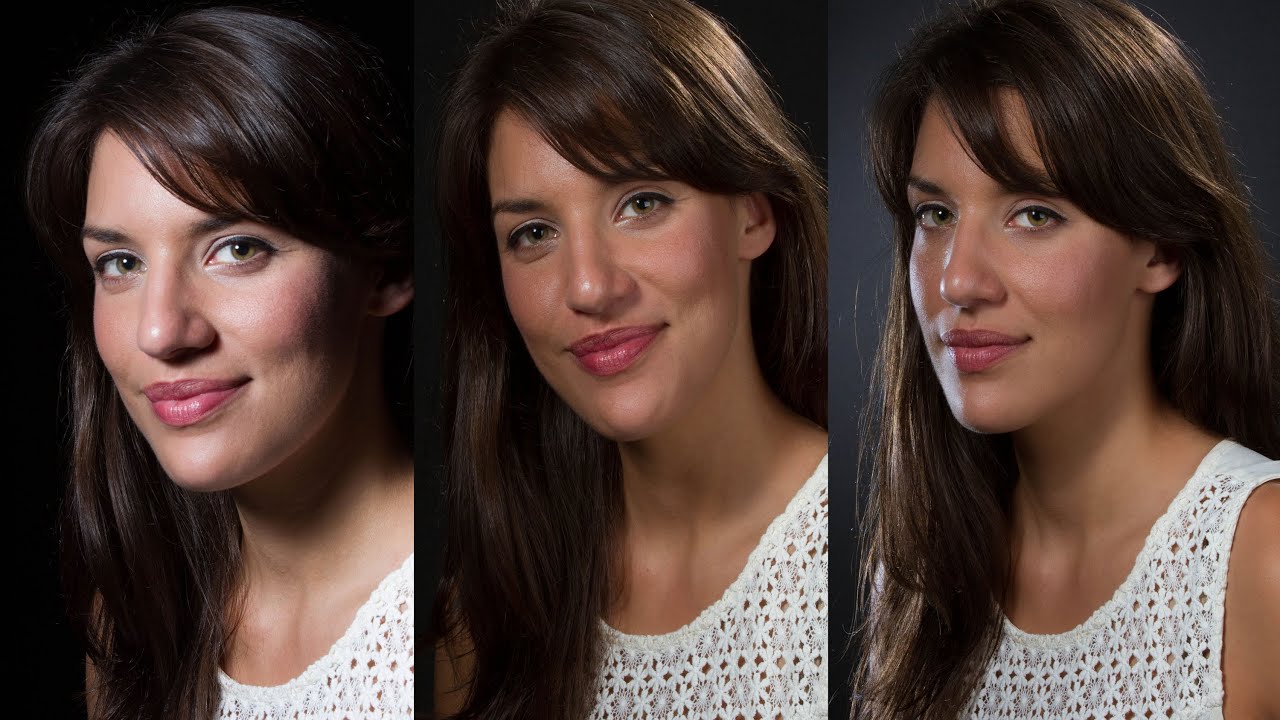
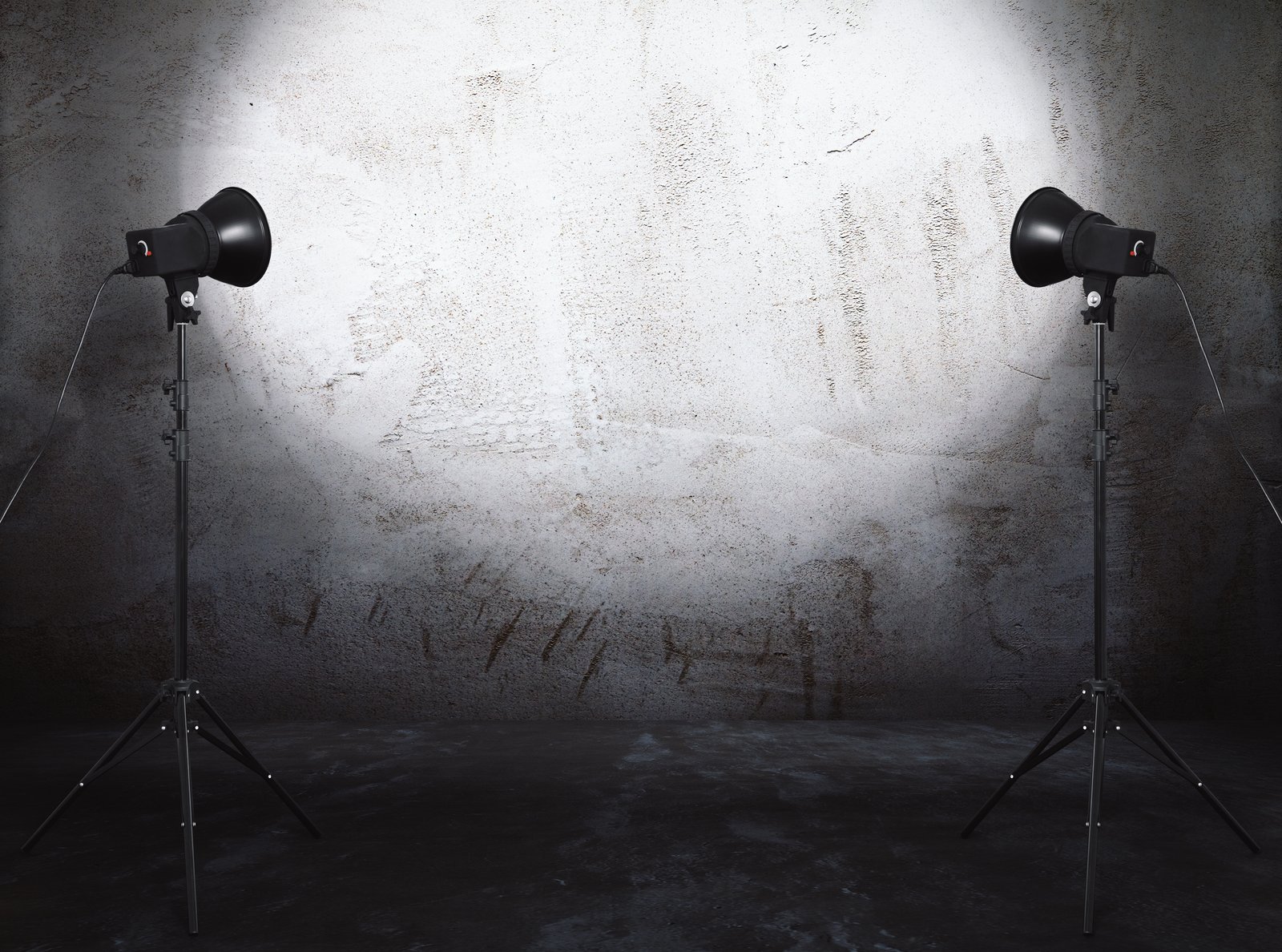
The Most Expensive Mistake I See in Studios Every time a photographer tells me they need a third or fourth light to fix a problem, I make them turn off everything except one strobe. Not as a punishment. As a diagnosis. Most lighting problems are not problems of quantity. They are problems of understanding. When you pile on fill lights, hair lights, and background lights before you understand what your key light is actually doing, you are decorating a problem rather than solving it.

Viltrox's Z1 Pro Flash Bridges the Gap Between Retro Aesthetics and Modern Flash Technology

Viltrox's Z1 Pro Flash Bridges the Gap Between Retro Aesthetics and Modern Flash Technology

When Nostalgia Meets Capability I’ve watched the retro camera revival with genuine interest—not just as a trend, but as a legitimate shift in how photographers approach their craft. Cameras like the Fujifilm X100VI and Nikon Zf aren’t novelties; they’re serious tools wrapped in yesterday’s clothing. The problem? Finding flash equipment that matches their aesthetic while delivering the technical features modern shooting demands. Viltrox appears to have listened to this exact friction point.

One Light, Maximum Drama: What Joel Grimes' Umbrella Setup Taught Me About Stripping Back

One Light, Maximum Drama: What Joel Grimes' Umbrella Setup Taught Me About Stripping Back

Every working photographer has a client who wants “cinematic.” They say it casually, like it’s a vibe you dial in, and then you have to build something in thirty minutes that looks like a $200,000 film shoot. I keep a lighting journal, sketched diagrams of every setup I’ve ever used, and the page I return to most often is a single overhead source with nothing else in the frame. No fill card, no hair light, no kicker.

Reading Light in Hostile Territory: What Street Photography Taught Me About Seeing

Reading Light in Hostile Territory: What Street Photography Taught Me About Seeing

Most of my working life happens inside four walls with light I’ve placed myself. I know exactly where every photon is coming from. Street photography is the opposite of that, and for years I kept a comfortable distance from it. But lately I’ve been thinking more seriously about how I observe people in uncontrolled environments, partly because it feeds my editorial eye, and partly because the compositional instincts you build on the street are impossible to develop any other way.

Rim Lighting Done Right: How One Background Light Separates Your Subject From Mediocrity

Rim Lighting Done Right: How One Background Light Separates Your Subject From Mediocrity

I once watched a test shoot fall apart in real time because every image looked like the subject was melting into the background. Seamless paper, matching tones, flat key light. The client sat there flipping through the tray of selects and finally said, “She just looks… stuck.” He was right. The subject had dimension in real life and zero dimension on the sensor. We had to reshoot, and I spent the train ride home furious at myself for forgetting the most basic principle in studio separation: if your subject and background share the same tonal value, a camera will treat them as the same object.

Beyond Tungsten and Daylight: How Creative Gels Can Become Your Most Precise Lighting Tool

Beyond Tungsten and Daylight: How Creative Gels Can Become Your Most Precise Lighting Tool

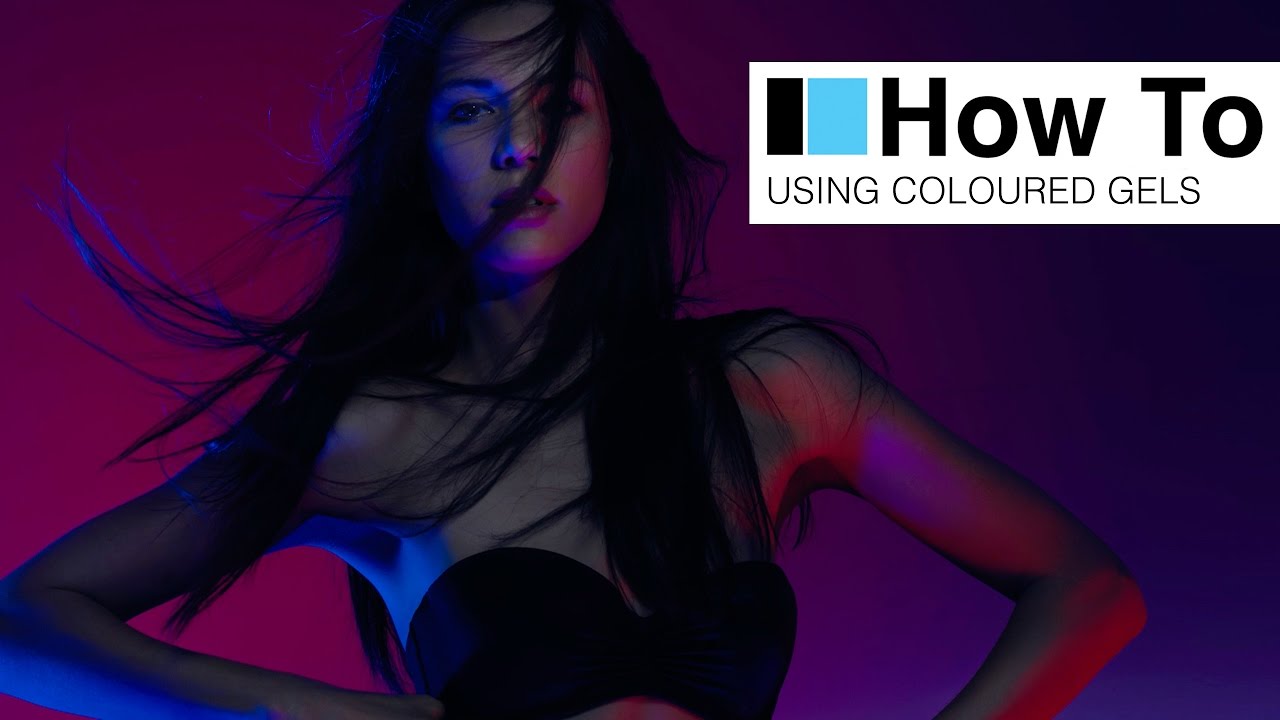
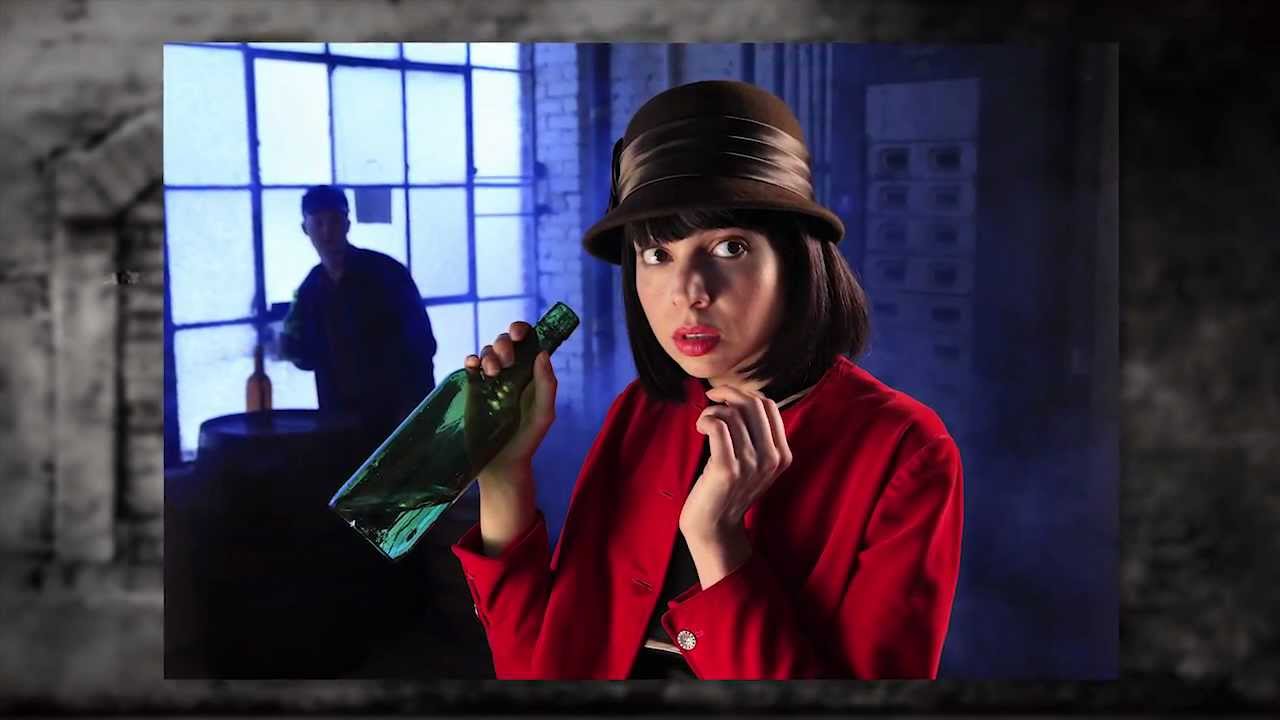
I keep a lighting journal. Every setup from every shoot gets a sketch, a note about the modifiers, the power settings, the distance from subject to light. I started it about eight years ago after a bad editorial job where my key light was running warm and I didn’t catch it until the client called. That kind of mistake teaches you to be methodical about everything, including color. Gels are where a lot of photographers stop being methodical.

Why Your Group Shots Look Flat (And the Lighting Math That Fixes It)

Why Your Group Shots Look Flat (And the Lighting Math That Fixes It)

Group photography broke my brain the first time I had to light more than three people in a studio. I was shooting a seven-person executive portrait for a corporate client, early in my career, and I did what most photographers do: I pointed a softbox at them and hoped for a decent result. The images came back with the center subjects two stops brighter than the people on the ends, half the faces carrying ugly shadows from the modeling lights I hadn’t accounted for, and the client politely asking if we could “try again sometime.

One Light, Done Right: How a Single Strobe Can Outwork a Five-Head Setup

One Light, Done Right: How a Single Strobe Can Outwork a Five-Head Setup

I used to own eleven lights. I counted them once while reorganizing my studio on a slow Tuesday, and the number genuinely embarrassed me. Not because eleven is too many, but because I could trace the purchase of at least four of them to insecurity. Some shoot went sideways, and my instinct was to buy another head, another fill, another hair light, as if more gear would paper over whatever I didn’t understand yet.

Why Your Studio Workflow Is Slower Than It Needs to Be (And What My Tape Labels Have to Do With It)

Why Your Studio Workflow Is Slower Than It Needs to Be (And What My Tape Labels Have to Do With It)

The Twenty Minutes That Cost Me a Client A few years back, I was mid-shoot on a beauty campaign, three hours into a six-hour day rate, and my first assistant called out that the kicker on the hair light had drifted two stops. Not because anyone touched it. Because I hadn’t written down the output setting when I built the setup that morning, and we’d been swapping modifiers between setups. By the time we rebuilt the look, we’d burned twenty-two minutes and the client was visibly irritated.

Flash Photography: Stop Relying on Camera Settings and Start Understanding Light

Flash Photography: Stop Relying on Camera Settings and Start Understanding Light

Flash Photography: Stop Relying on Camera Settings and Start Understanding Light I’m going to say something that will upset some people: your camera settings don’t matter nearly as much as you think they do. What matters is understanding how flash behaves, then building your lighting around that behavior. After twenty years of shooting with flash—from cramped hotel rooms to purpose-built studios—I’ve learned that photographers spend too much time fiddling with shutter speed and ISO, and far too little time understanding the actual light in front of their subject.

Mastering Bridal Party Poses and Off-Camera Flash in Harsh Sunlight

Mastering Bridal Party Poses and Off-Camera Flash in Harsh Sunlight

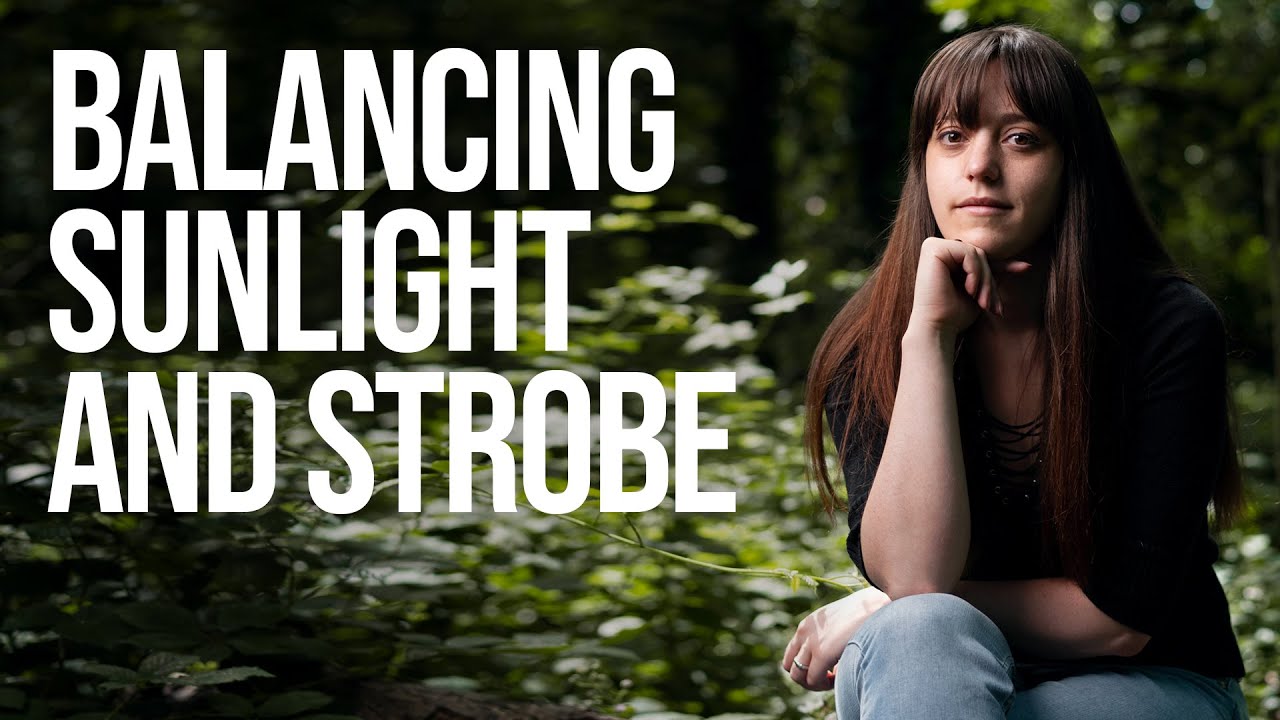
I shoot controlled environments for a living. Fashion sets, beauty campaigns, corporate headshots where every light has a piece of masking tape on the barn door with its exact purpose written in marker. So when I need to think about uncontrolled environments, I actively go looking for photographers who’ve made chaos their workflow. That’s why I keep coming back to wedding photographers. They solve hard lighting problems fast, with real people who don’t take direction like models, in locations that don’t cooperate.

The Architecture of Posing: Building Flattering Lines Without Guesswork

The Architecture of Posing: Building Flattering Lines Without Guesswork

I’ve watched photographers spend thousands on lighting gear only to sabotage their work with poor posing. A $300 reflector won’t save you from a slouched spine or a squared-off shoulder. Posing isn’t art—it’s architecture. Learn the load-bearing walls, and everything else follows. The Shoulder Rule: Your Foundation Start here. Every portrait fails or succeeds based on shoulder placement. I require this from every subject: shoulders positioned at a 45-degree angle to camera.