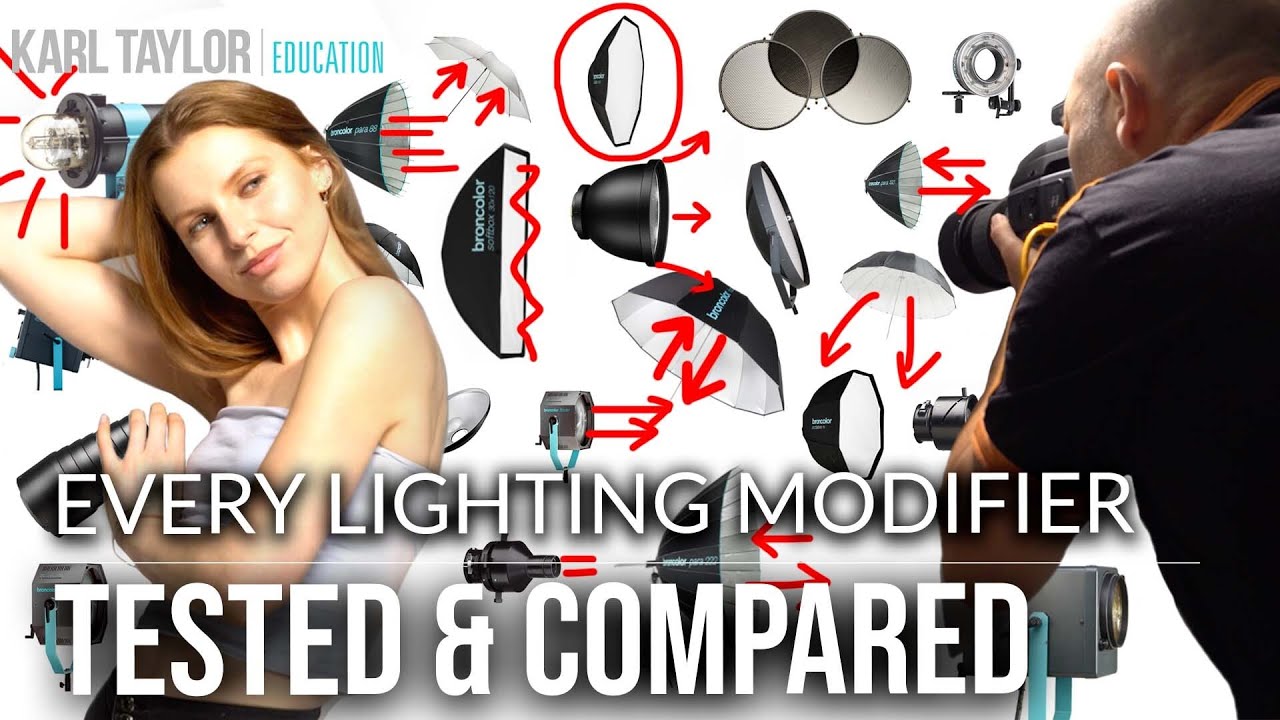
Every Modifier in My Studio, Tested Back-to-Back: What I Learned from Watching Visual Education Do It Right

Every Modifier in My Studio, Tested Back-to-Back: What I Learned from Watching Visual Education Do It Right

I keep a lighting journal. Every setup from every shoot gets a quick sketch - modifier, distance, angle, power output, and one line about what the skin looked like. After years of filling those notebooks, I thought I had a pretty solid mental map of how different modifiers behave. Then I watched Visual Education’s comparison of more than 25 modifiers tested back-to-back on the same subject, under controlled conditions, and I realized my map had some gaps.
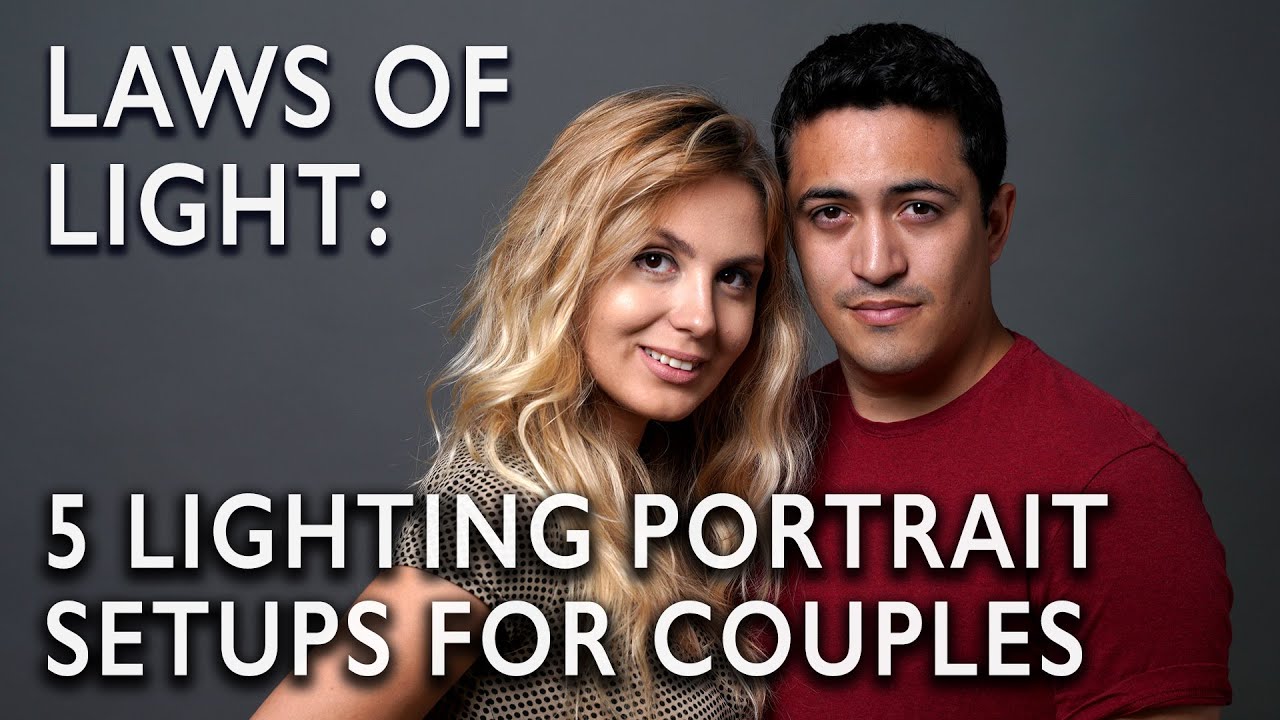
Two People, One Light: How to Apply the 5 Portrait Lighting Positions to Couples

Two People, One Light: How to Apply the 5 Portrait Lighting Positions to Couples

Lighting two people in the same frame is, in my experience, one of the most deceptively difficult things you can do in a studio. Singles are straightforward. Groups of three or five give you natural triangular composition to lean on. Two people sit right in the awkward middle: they fight for visual dominance, their heads rotate independently, and the same key light that sculpts one face beautifully can flatten or blow out the other.

Adaptalux's Pod Mini 2.0 Brings Precision Macro Lighting Within Reach

Adaptalux's Pod Mini 2.0 Brings Precision Macro Lighting Within Reach

Macro Photography Gets a Lighting Upgrade I’ve watched macro photography evolve significantly over the past decade, and one persistent challenge has remained: getting light exactly where you need it without creating harsh shadows or overwhelming your subject. Adaptalux is taking another swing at solving this problem with their newly released Pod Mini 2.0, and I think it’s worth paying attention to. What Makes This System Different The macro world traditionally forces photographers into uncomfortable compromises.

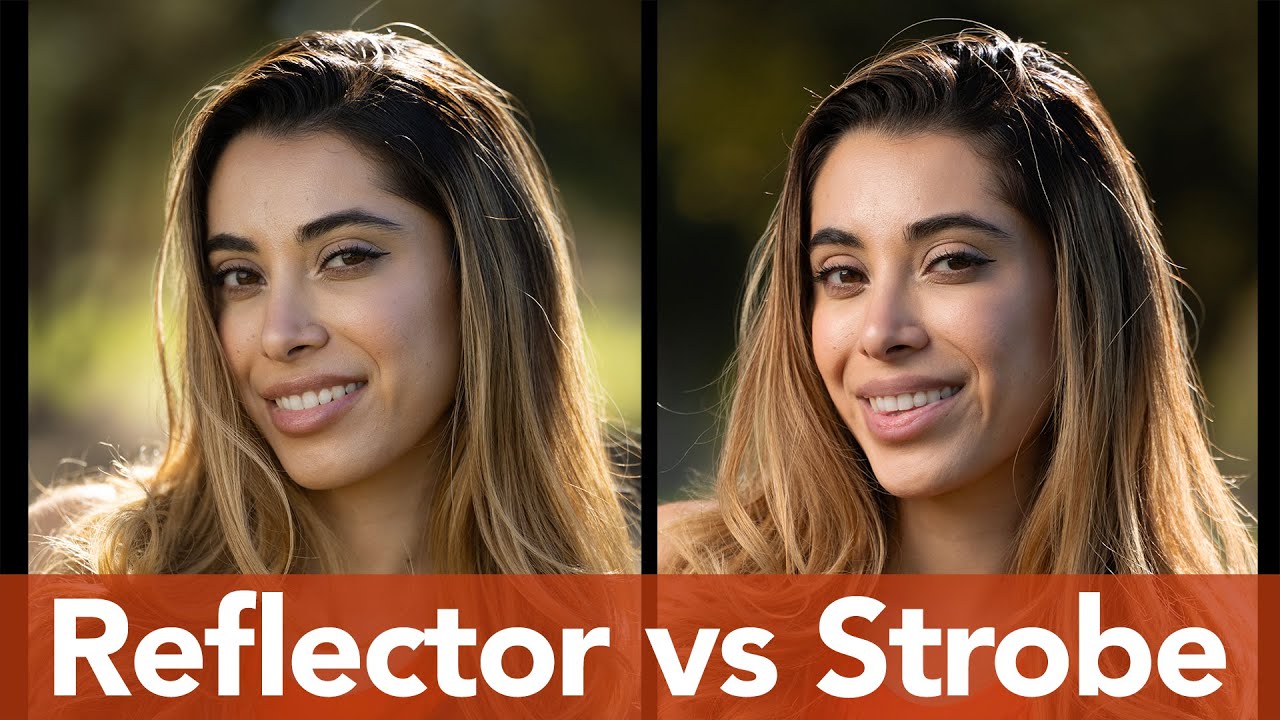
Reflector vs. Strobe for Outdoor Portraits: What a $26 Piece of Fabric Actually Teaches You About Light

Reflector vs. Strobe for Outdoor Portraits: What a $26 Piece of Fabric Actually Teaches You About Light

Every few months I end up in the same conversation with a newer photographer who’s convinced they need a full strobe kit before they can shoot anything worth showing a client. I used to think the same thing. Then I started keeping a lighting journal, sketching every setup from every shoot, and I noticed something embarrassing: some of my cleanest portrait light came from sessions where I had almost nothing with me.

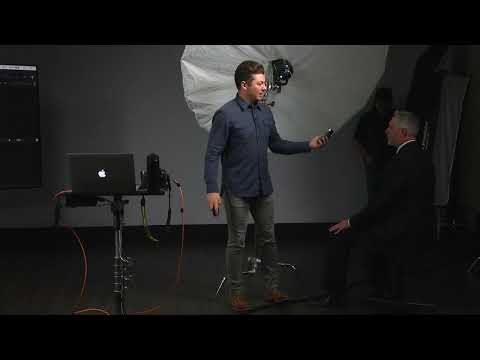
One Light, One Umbrella, Zero Excuses: Breaking Down a Pro Studio Lighting Setup

One Light, One Umbrella, Zero Excuses: Breaking Down a Pro Studio Lighting Setup

Every corporate headshot season, I watch photographers overcomplicate what should be a straightforward problem. They stack modifiers, add fill cards, chase catchlights with a second strobe, and end up with a lighting rig that takes forty minutes to build and still produces flat, unflattering results. The truth is that one well-placed light and the right modifier will outperform a four-light setup built without intention every single time. In this CreativeLive tutorial on basic studio lighting setups, the instructor walks through exactly that philosophy using a corporate subject in a suit, which is as real-world a scenario as studio photography gets.

How to Read a Location for Light Before You Shoot a Single Frame

How to Read a Location for Light Before You Shoot a Single Frame

Every location shoot I walk into, I do the same thing before I touch a single piece of gear. I stop at the door and I look for the light that’s already there. Not the light I brought. The light that exists. Most photographers I know do the opposite. They walk in with a plan built in the parking lot and spend the next hour trying to force that plan onto a space that doesn’t want it.

Move Your Softbox Closer Than You Think — Here's Why It Changes Everything

Move Your Softbox Closer Than You Think — Here's Why It Changes Everything

There’s a mistake I see in almost every behind-the-scenes photo that photographers share online. The softbox is positioned at a reasonable distance, the model looks okay, and the whole setup looks perfectly professional. The problem is “reasonable” and “okay” are doing a lot of heavy lifting there, and they’re covering for light that’s working against you. I spent years treating softbox distance as an afterthought, something you eyeballed and called done once the exposure looked right on the back of the camera.

The Wall Bounce Technique: Why Studio Photographers Should Reconsider Their Softbox Arsenal

The Wall Bounce Technique: Why Studio Photographers Should Reconsider Their Softbox Arsenal

The Wall Bounce Technique: Why Studio Photographers Should Reconsider Their Softbox Arsenal I’ve spent considerable time experimenting with unconventional approaches to studio lighting, and I want to share something that’s fundamentally changed how I think about modifiers: sometimes the best light source in your studio is already there—it’s your wall. Starting Simple Works Better Than You’d Think After years of accumulating softboxes, octabanks, and beauty dishes, I’ve discovered that pointing a bare strobe directly at a clean white wall, cranked to full power, often produces results that rival or exceed what I get from expensive modifiers.

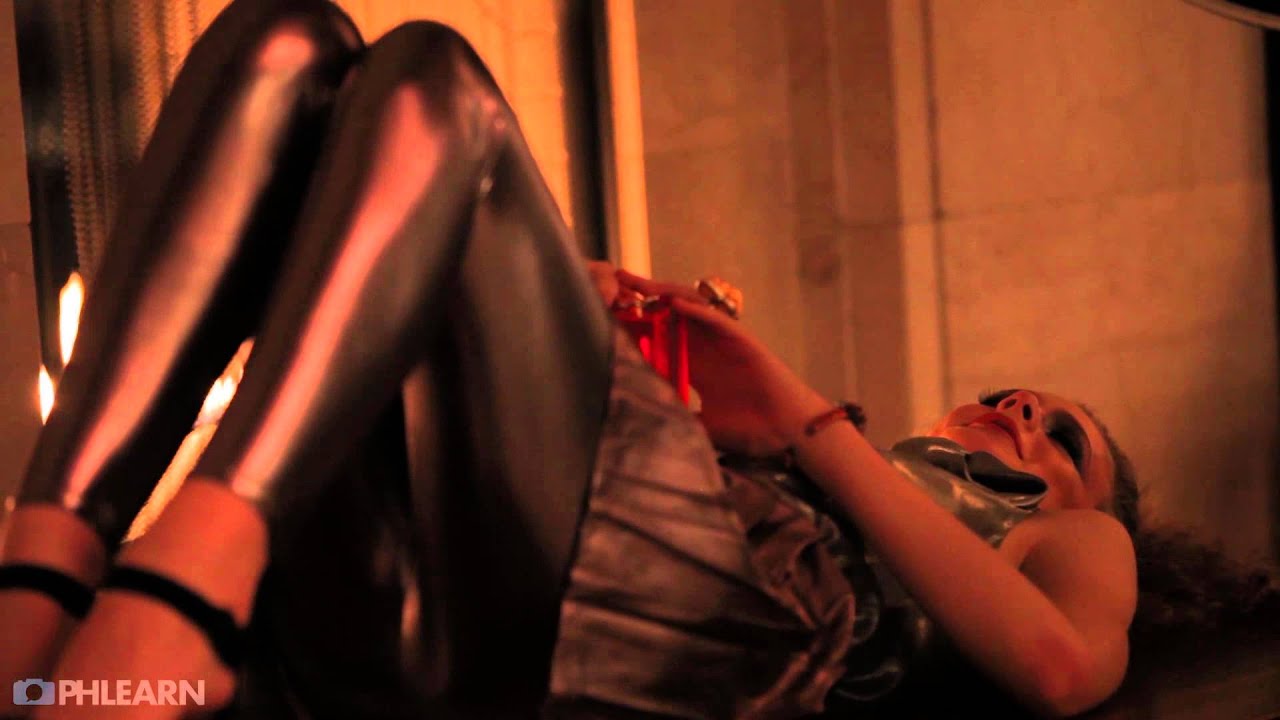
Five Cinematic Lighting Setups, One Small Room: What I Took From The Slanted Lens

Five Cinematic Lighting Setups, One Small Room: What I Took From The Slanted Lens

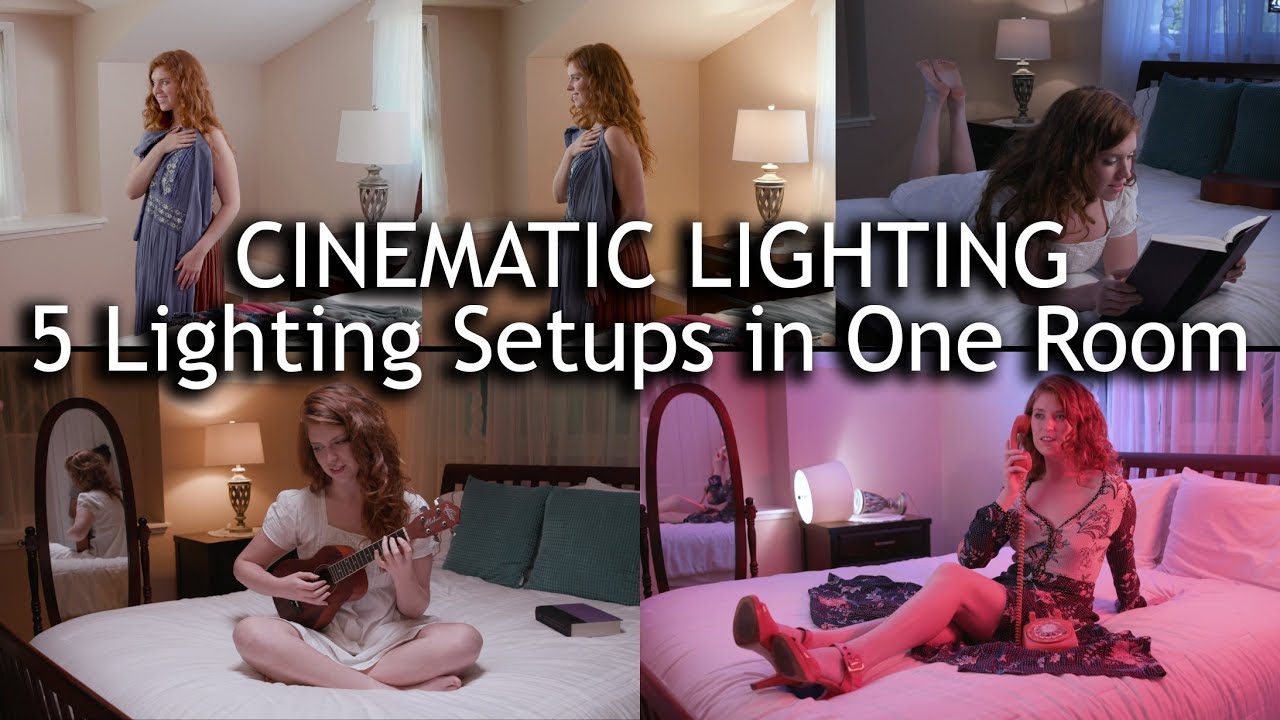
Small rooms have beaten me more times than I’d like to admit. You show up to a location, the ceiling is low, the walls are close, and the one window faces the wrong direction. For years I treated that as a problem to solve by hauling in more gear. What I’ve learned, slowly, is that constraints force better decisions. A tight room doesn’t need more light. It needs smarter light placement and a clear idea of what mood you’re actually after before you touch a single stand.

The Classic 45: How One Lighting Position Should Anchor Every Portrait Photographer's Toolkit

The Classic 45: How One Lighting Position Should Anchor Every Portrait Photographer's Toolkit

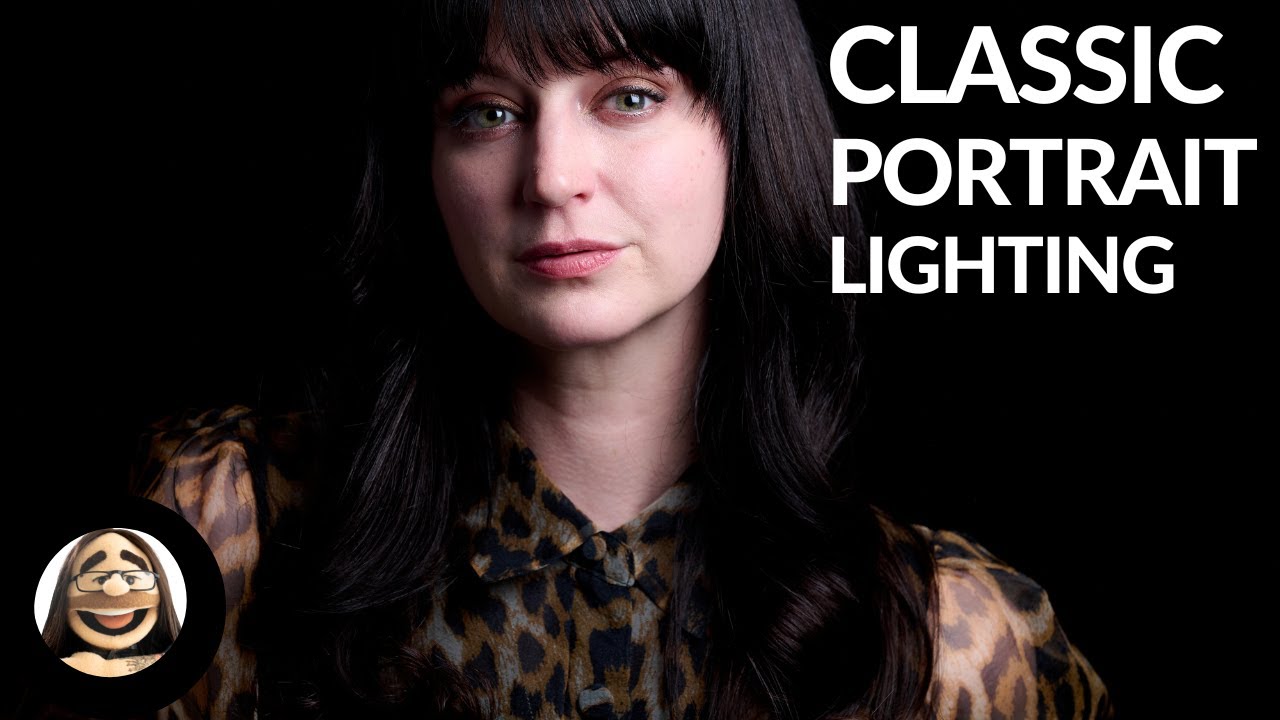
Every time I take on a new assistant or bring an intern into my studio here in Los Angeles, I watch where they put the key light. Without fail, they either shove it right next to the camera and wonder why the face looks flat, or they swing it so far to the side that half the subject disappears into shadow. There is a middle ground, and it has a name.

9 Studio Flash Mistakes I Wish Someone Had Warned Me About (Visual Education Breakdown)

9 Studio Flash Mistakes I Wish Someone Had Warned Me About (Visual Education Breakdown)

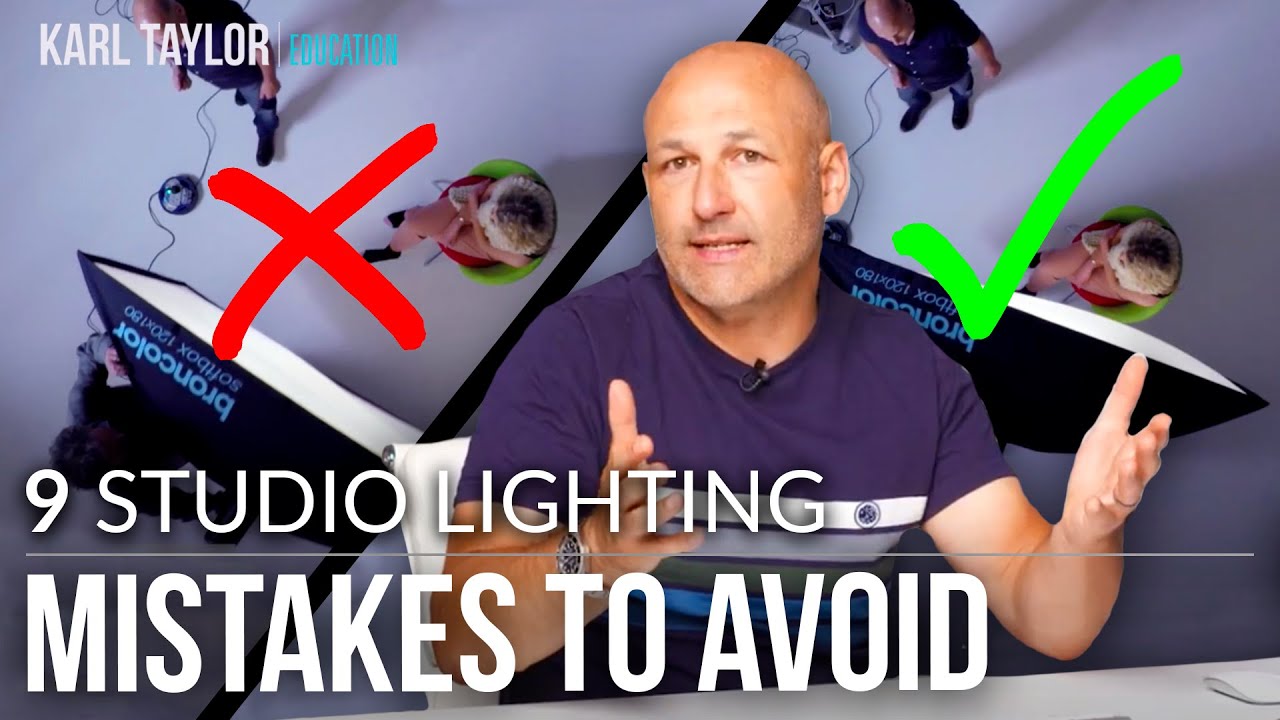
Every time I bring a photographer into my studio for the first time, I watch the same sequence unfold. They position the light directly in front of the subject, chimp the back of the camera, and then look up at me with this deflated expression. “Why does it look so flat?” That question tells me everything about where they are in their studio lighting education. It also tells me they haven’t yet wrestled with the fundamentals, not because they’re incapable, but because nobody sat them down and explained what actually matters before they touched the gear.

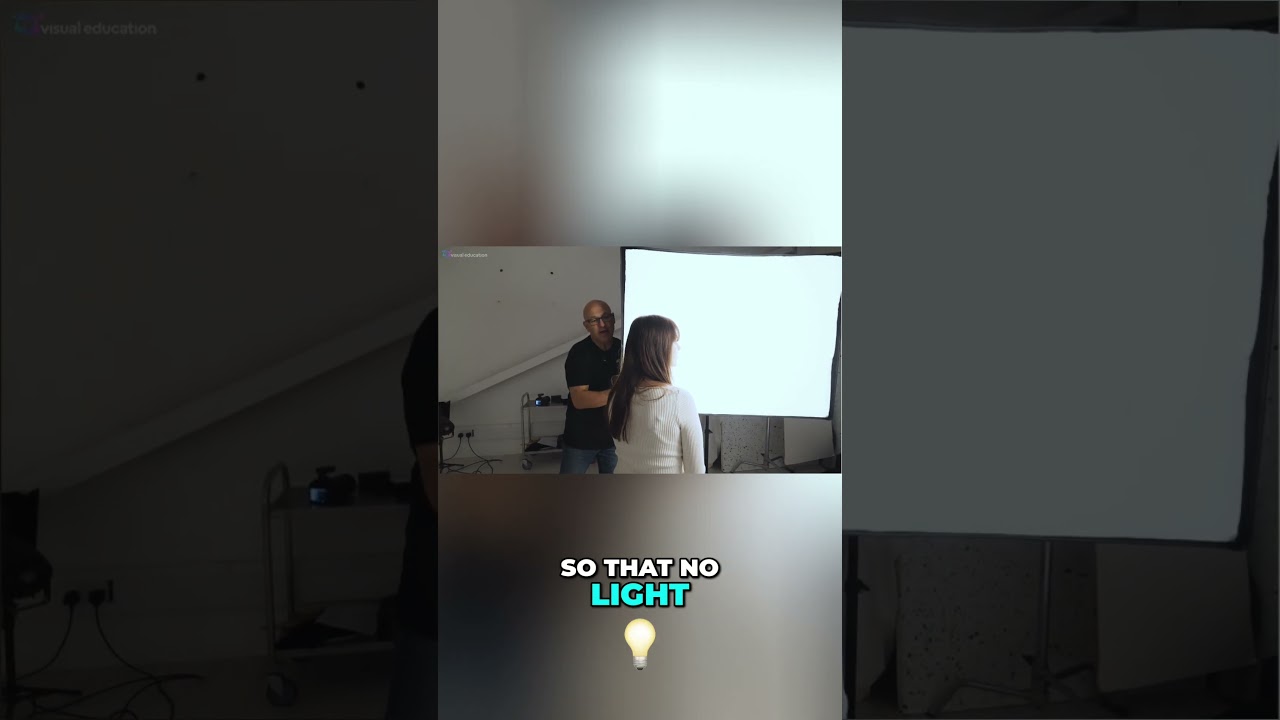
How Black Flags Carve Shadow Into a Portrait (And Why I Use Them on Almost Every Studio Shot)

How Black Flags Carve Shadow Into a Portrait (And Why I Use Them on Almost Every Studio Shot)

There’s a problem I kept running into early in my studio work: I’d dial in a beautiful softbox position, get the exposure right, and still walk away with portraits that looked flat. The light was technically correct but it wasn’t doing anything interesting to the face. The cheekbones weren’t defined. The jawline disappeared into the background. Everything looked like it was lit for a driver’s license photo, not a magazine page.