Before You Sign the Lease: What Every Photographer Should Know About Choosing a Studio

Before You Sign the Lease: What Every Photographer Should Know About Choosing a Studio

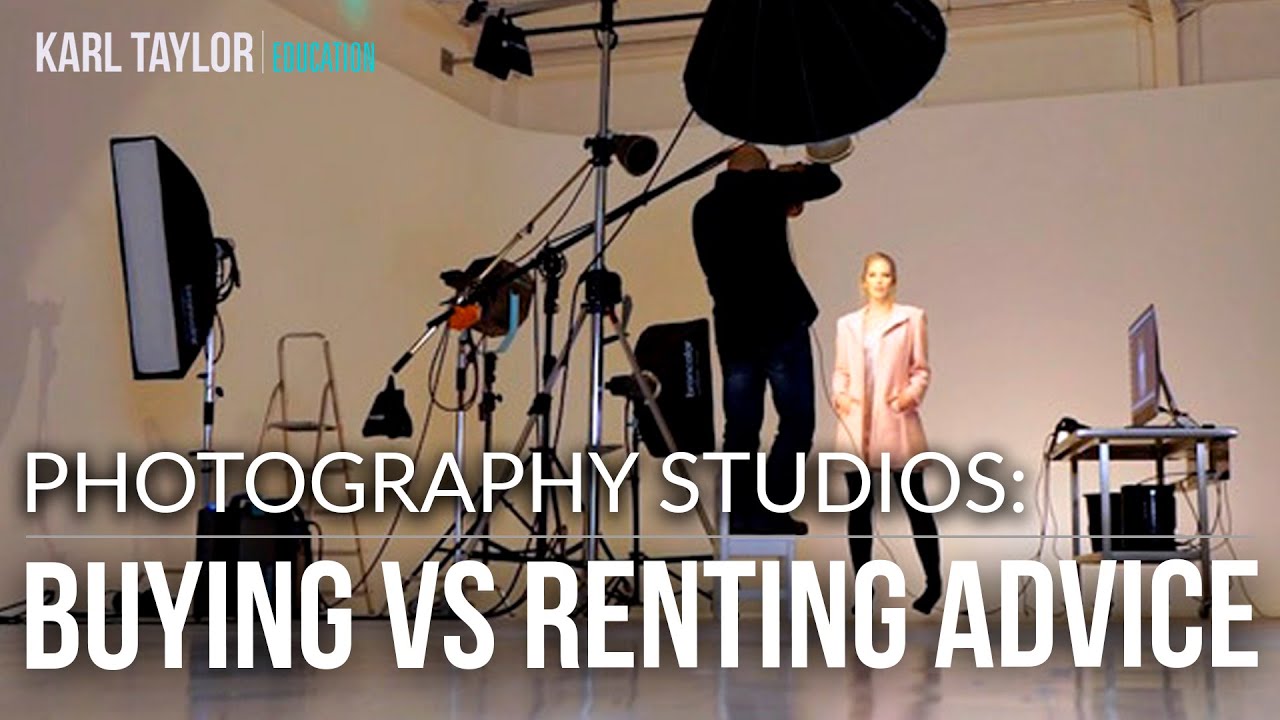
Every few years I talk to a photographer who signed a lease too fast and spent the next twelve months figuring out how to fill a space that was either too big, too far from clients, or both. I’ve been lucky. I’ve made most of my studio mistakes in small, low-stakes ways rather than expensive ones. But I’ve watched enough colleagues get burned that when I came across this Visual Education tutorial on finding the right photography studio, I paid close attention.
Rim Lighting Is Not a Finishing Touch — It's a Structural Decision

Rim Lighting Is Not a Finishing Touch — It's a Structural Decision

The Shoot That Changed How I Think About Edges A few years back I was working a fashion editorial, three looks, tight deadline, and the creative director kept saying the images felt “flat.” My key light was dialed in. Fill was exactly where I wanted it. The background was clean. But something was missing, and I couldn’t articulate it until I pulled up the frames and traced the model’s shoulder against the background.

Burn Bars, Big Light, and the Art of Setting a Scene on Fire

Burn Bars, Big Light, and the Art of Setting a Scene on Fire

Fire on set is one of those techniques that separates photographers who shoot commercials from photographers who wish they did. I’ve lit everything from beauty campaigns to corporate portraits, and the question I get least prepared for is always some variation of: “Can we have something burning in the frame?” The answer should be yes, but only if you understand what you’re actually dealing with. Burn bars, which are the industry tool for creating controlled flame effects, are not something you improvise.

Five Rules I Follow When Posing Wedding Couples (And What a CreativeLive Tutorial Confirmed for Me)

Five Rules I Follow When Posing Wedding Couples (And What a CreativeLive Tutorial Confirmed for Me)

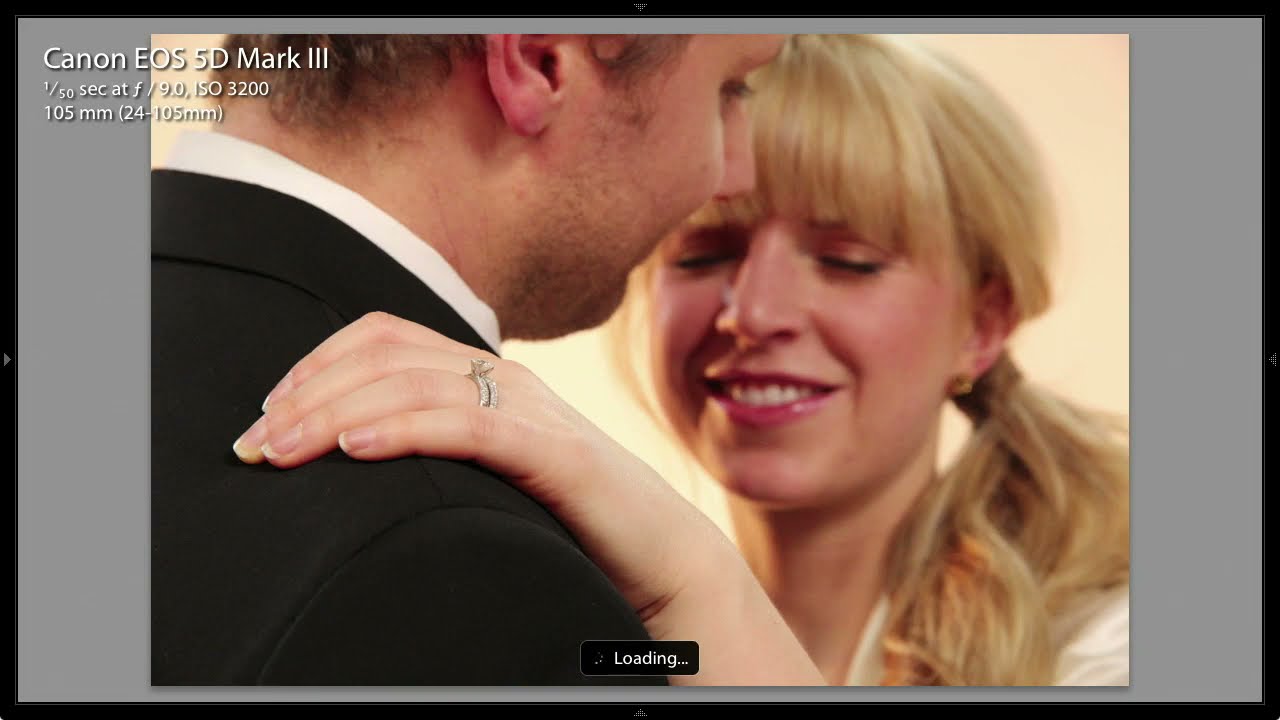
Wedding couple photography is one of those areas where my studio instincts break down fast. I’m used to controlling every variable — the light, the background, the talent’s wardrobe. A wedding day hands you almost none of that. The light changes every twenty minutes, the dress cost more than my first lens kit, and you have roughly forty minutes between the ceremony and the reception to get everything. The posing has to be efficient, intentional, and specific to this one type of subject.

The Mac Studio M1 Ultra: Why This Little Box Is Changing How I Think About Studio Infrastructure

The Mac Studio M1 Ultra: Why This Little Box Is Changing How I Think About Studio Infrastructure

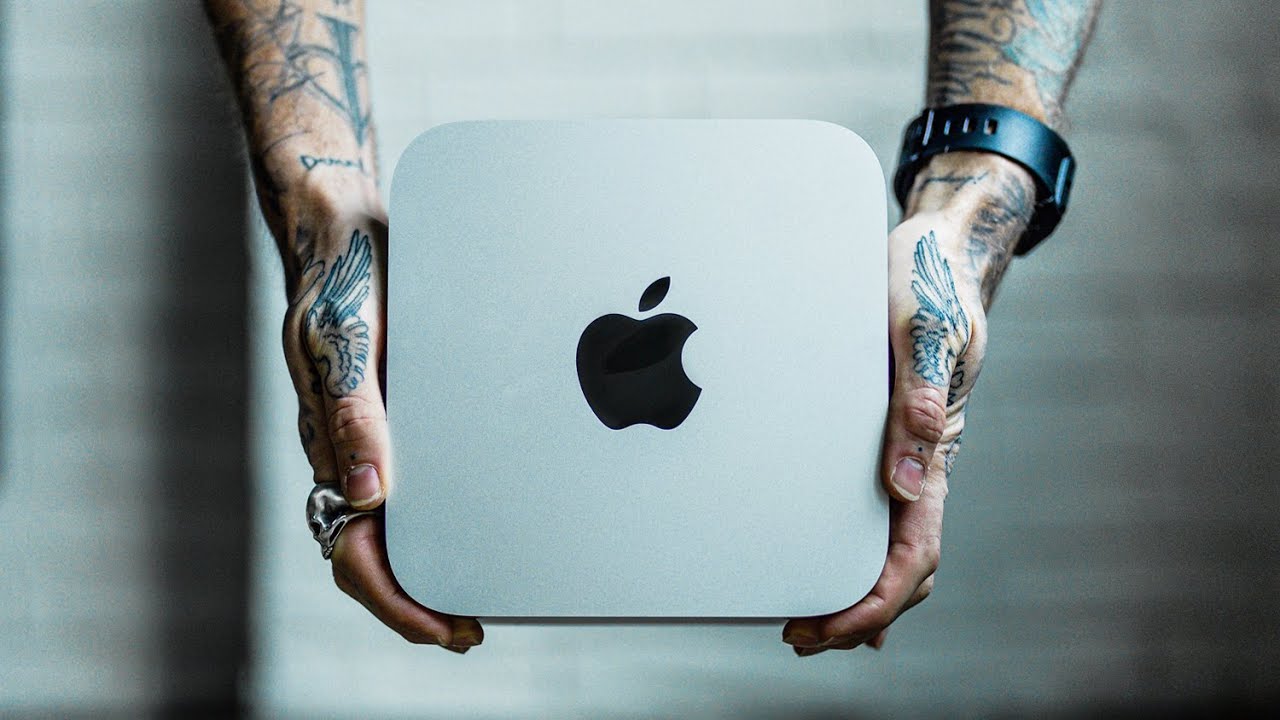
Running a commercial studio in Los Angeles means I am always solving the same two problems at once: keeping the quality high and keeping the overhead from swallowing the margins. For years, the workstation question felt fixed. You bought a tower, you bolted it to a desk, and that was your anchor. When a client needed location work, you shot tethered to a laptop that could barely handle the raw files from a medium-format back without grinding.

Permanent Light, Zero Setup: How to Build a Dedicated Streaming and Video Conferencing Rig

Permanent Light, Zero Setup: How to Build a Dedicated Streaming and Video Conferencing Rig

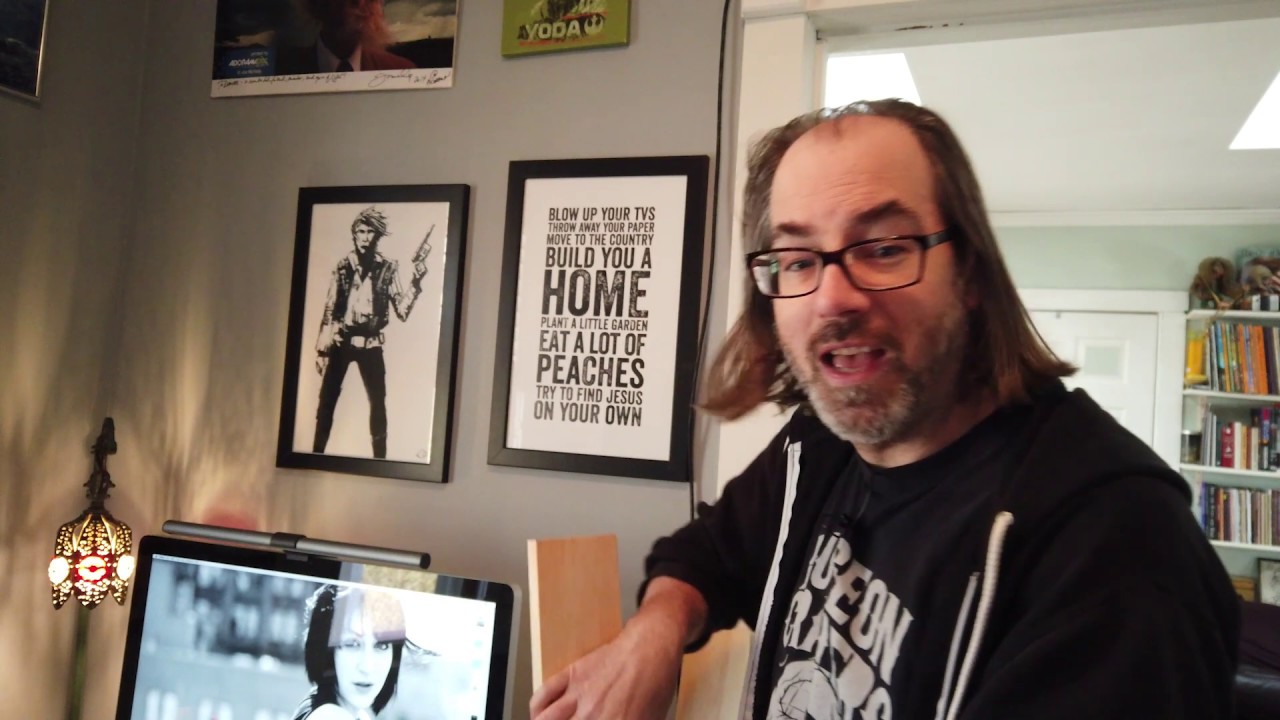
There is a particular kind of frustration that builds slowly. You know exactly what good light looks like. You can sculpt it on a model in under ten minutes in your studio. But every time you sit down to stream, record a video call, or do a talking-head segment for a client, you spend the first twenty minutes dragging a C-stand into position, adjusting a boom arm, and second-guessing a softbox placement you already figured out three weeks ago.

Clamshell Lighting Done Right: What Most Photographers Get Wrong About the Fill

Clamshell Lighting Done Right: What Most Photographers Get Wrong About the Fill

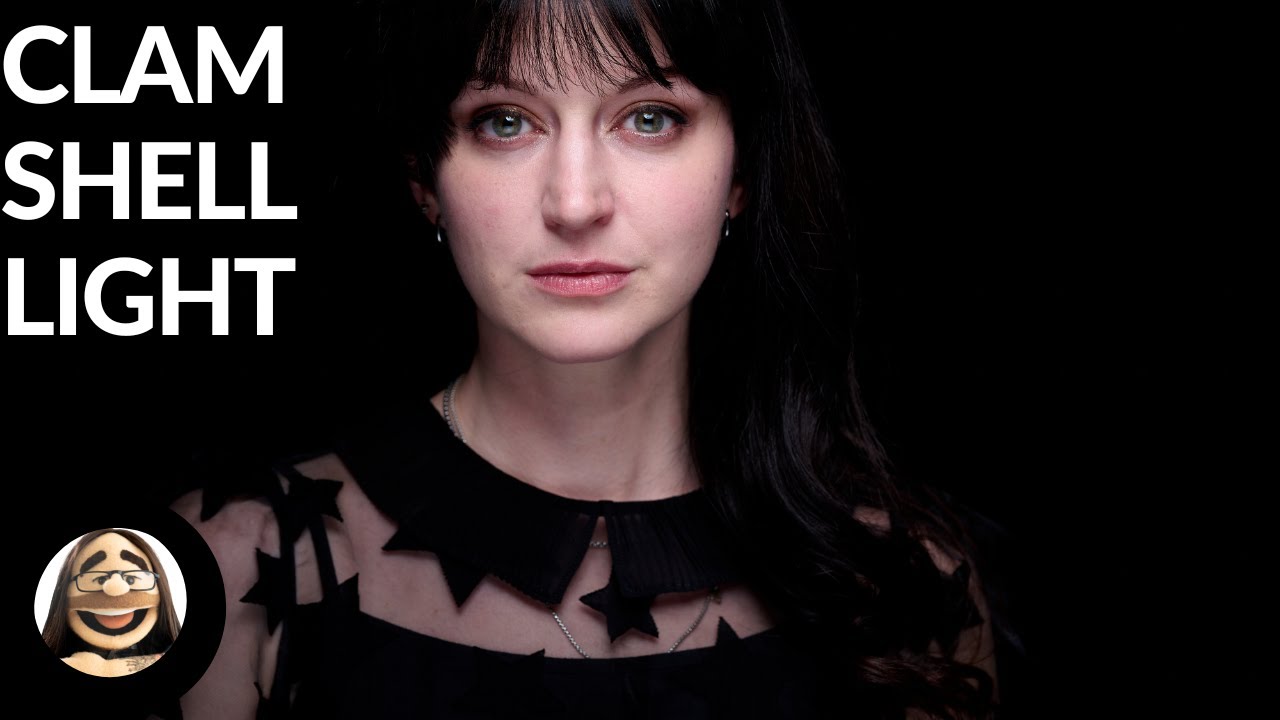
Beauty work is where lighting technique either earns its keep or exposes you. I shoot beauty regularly for brand clients, and the question I get most from photographers watching me set up is some version of: “Why do you have that second light so far out?” That’s the clamshell question, and most people who ask it have been doing the setup slightly wrong. In this Daniel Norton Photographer tutorial on clamshell lighting, Norton walks through the technique with a directness I appreciate.

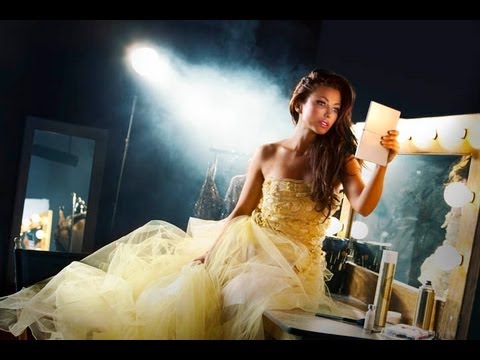
Mixing Strobes and Continuous Light: How to Make Two Completely Different Light Sources Work Together

Mixing Strobes and Continuous Light: How to Make Two Completely Different Light Sources Work Together

There is a specific kind of portrait shot that stops people mid-scroll. It has depth, warmth, a shaft of light cutting through atmosphere. It looks like it was lit by someone who understood both cinema and photography at the same time. For years, I chased that look by piling on more strobes, more modifiers, more complexity. The answer, it turns out, was simpler and more disruptive: stop using only one type of light source.

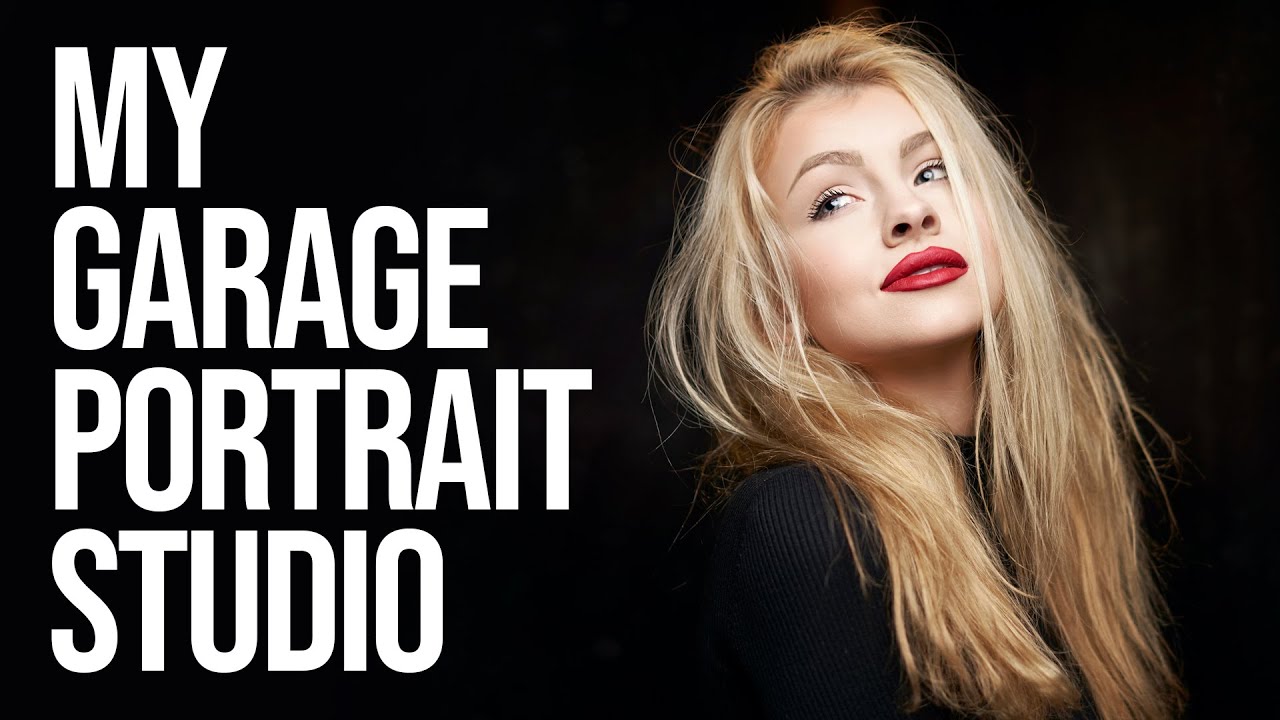
How Sean Tucker Turned a Garage Into a Permanent Portrait Studio (And What You Can Steal From His Setup)

How Sean Tucker Turned a Garage Into a Permanent Portrait Studio (And What You Can Steal From His Setup)

Most photographers I know treat their home studio like a camping trip. They set up, shoot, tear down, and stack everything in a corner until next time. I did the same thing for years in a spare bedroom in my Los Angeles house, pushing furniture aside, gaffer-taping backdrops to the wall, and spending 40 minutes on setup before a single frame was captured. The permanent studio I eventually built changed the way I work entirely.

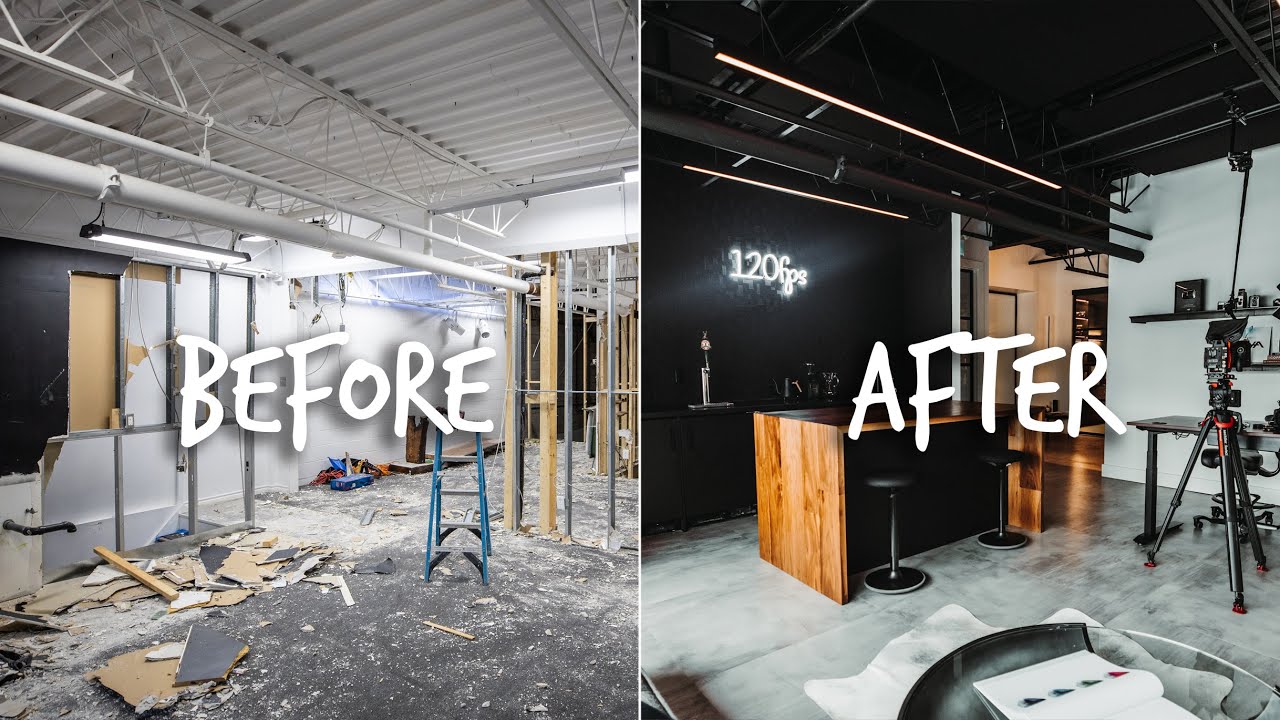
What Peter McKinnon's Studio HQ Teaches Us About Building a Space That Actually Works

What Peter McKinnon's Studio HQ Teaches Us About Building a Space That Actually Works

I’ve been shooting in studios for nearly two decades, and the question I get asked almost as often as “what modifier did you use?” is “how did you set up your space?” It sounds like a soft question, but it isn’t. The way a studio is designed determines how efficiently you shoot, how clients feel when they walk in, and whether the room inspires or drains you by 3pm. So when Peter McKinnon dropped a full walkthrough of his YouTube HQ and creative studio, I watched it twice.

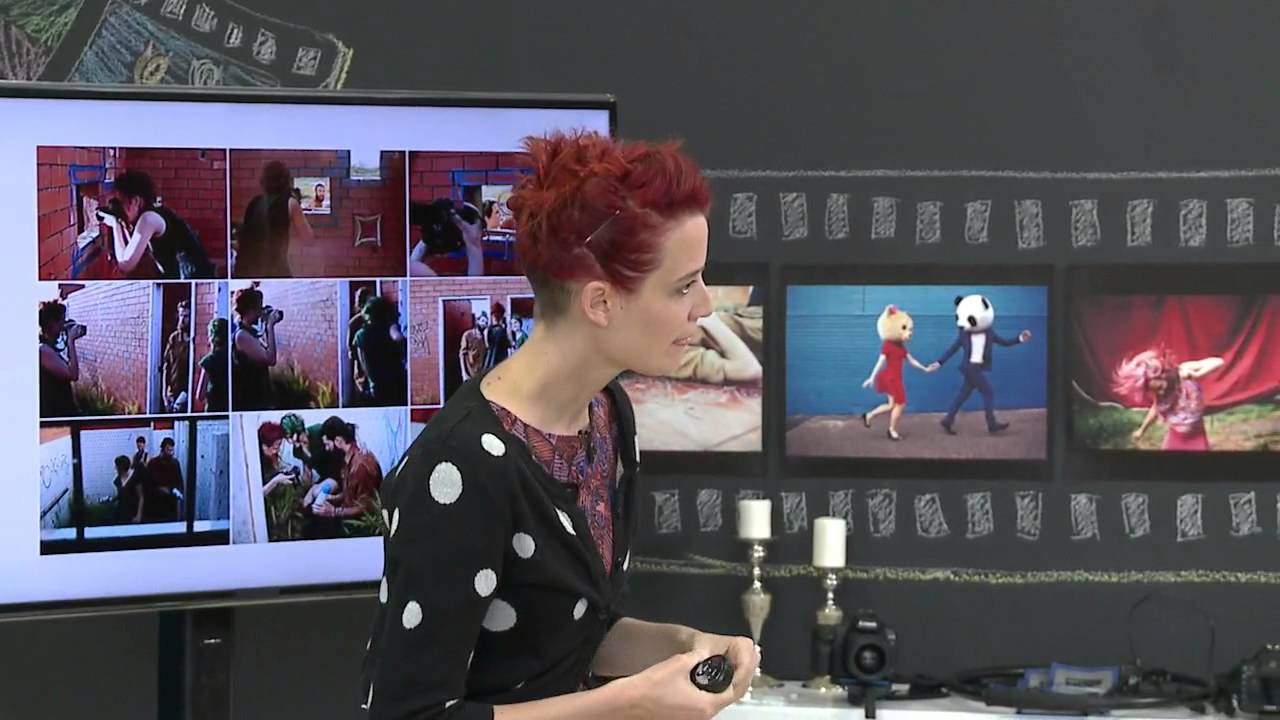
Stop-Motion Fusion Reels: How to Promote Your Studio With Minimal Gear and Maximum Story

Stop-Motion Fusion Reels: How to Promote Your Studio With Minimal Gear and Maximum Story

Most photographers I know are brilliant at selling other people through their images and completely hopeless at selling themselves. The portfolio sits on a website, static and silent, and potential clients scroll past it the same way they scroll past everything else. What actually stops people is motion, narrative, personality. A well-made showreel does what a grid of images can never do: it puts a viewer inside the experience of working with you.

Master Three Portrait Styles With a Single 48-Inch Octa

Master Three Portrait Styles With a Single 48-Inch Octa

The Modifier Misconception I’ve watched countless photographers accumulate lighting equipment like they’re collecting trading cards. Beauty dishes, softboxes, umbrellas, and strip lights fill their studios, each one promising to solve a specific problem. But here’s what I’ve learned after years of studio work: more gear doesn’t equal better results. In fact, it often creates analysis paralysis. A 48-inch octabox sits in my studio as a testament to this philosophy. This single modifier handles the work of five others—not through magic, but through understanding how light behaves under different circumstances.