How to Light Rain in the Studio (and Make It Actually Look Like Rain)

How to Light Rain in the Studio (and Make It Actually Look Like Rain)

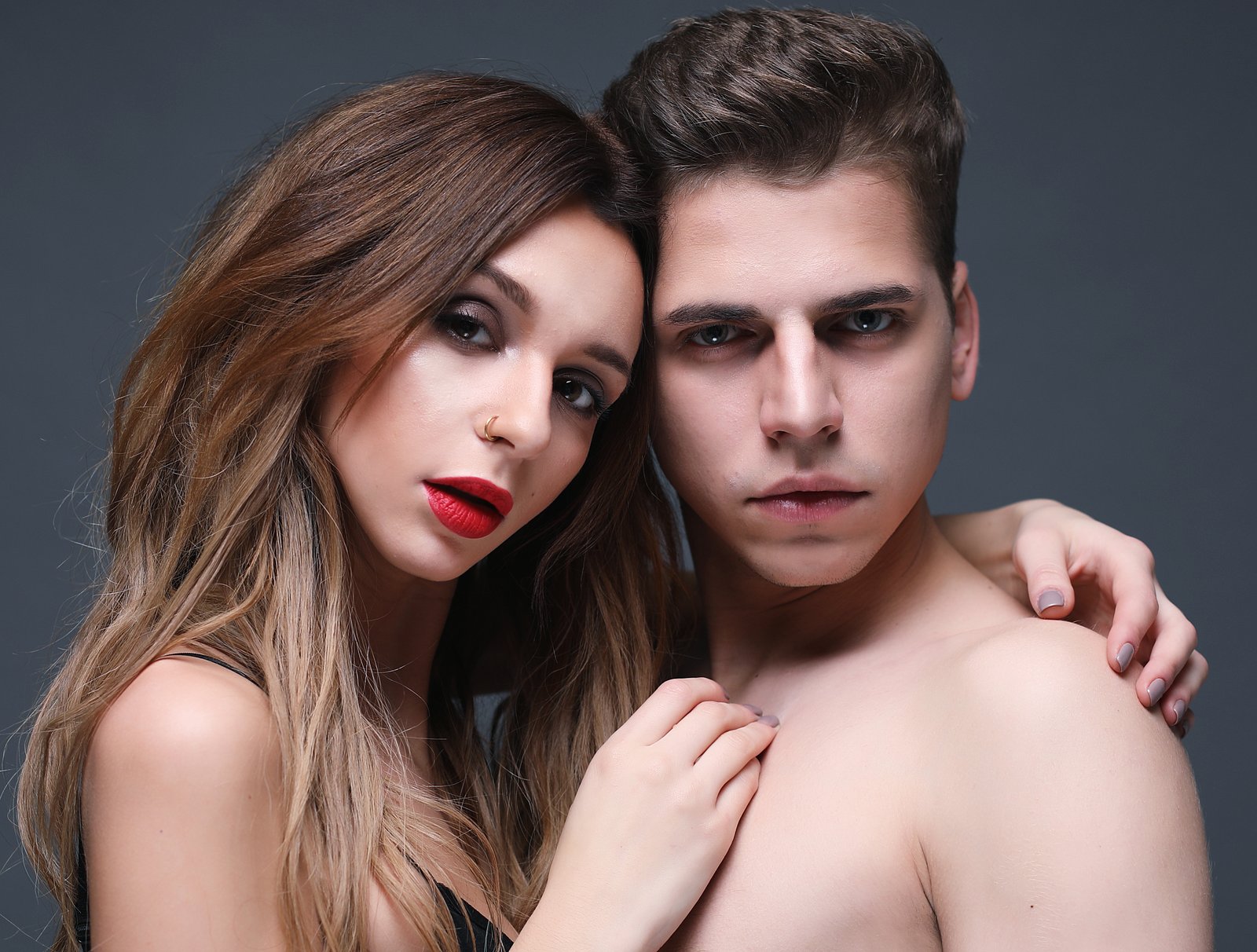
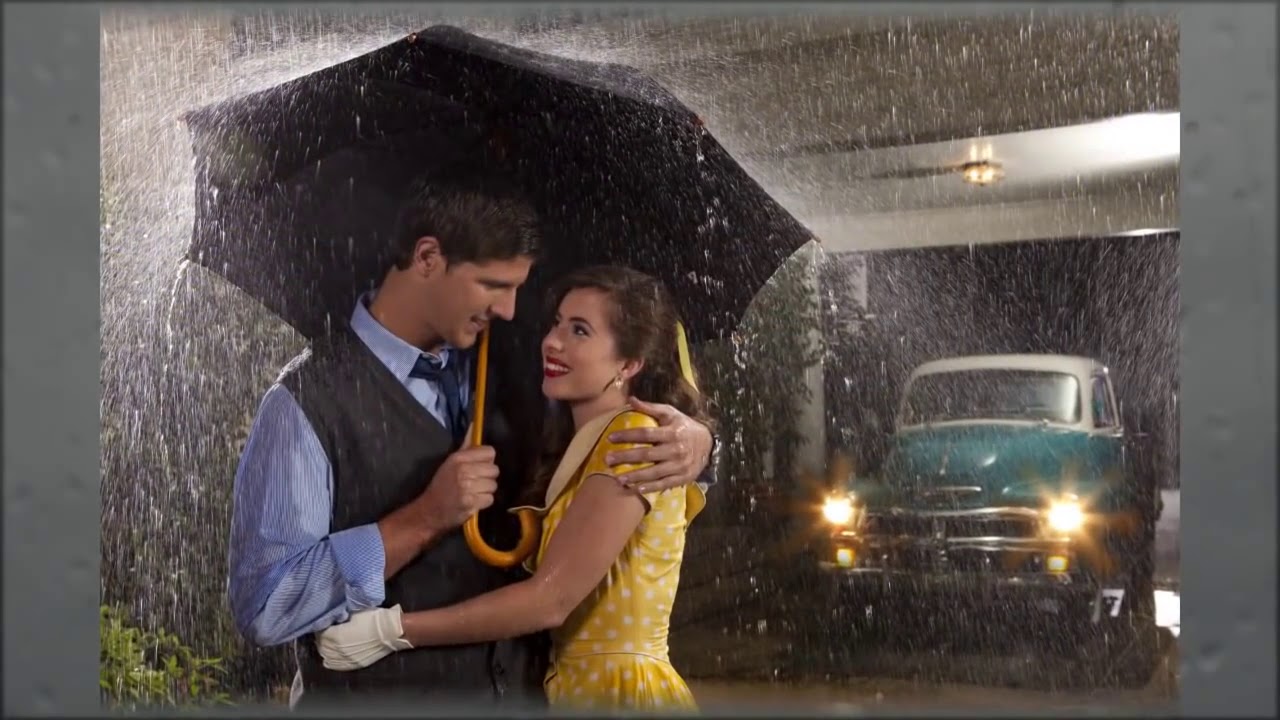
Rain is one of those elements that looks effortless in a great editorial image and absolutely terrible when you don’t know what you’re doing. I’ve watched photographers point a garden hose at a subject and wonder why the result looks like someone got splashed at a car wash. The problem is almost never the water. It’s the light. Water is transparent. If you don’t give it something to catch, it simply disappears into the frame.
Shooting on a Cyclorama: What Nobody Tells You Before You Book the Studio

Shooting on a Cyclorama: What Nobody Tells You Before You Book the Studio

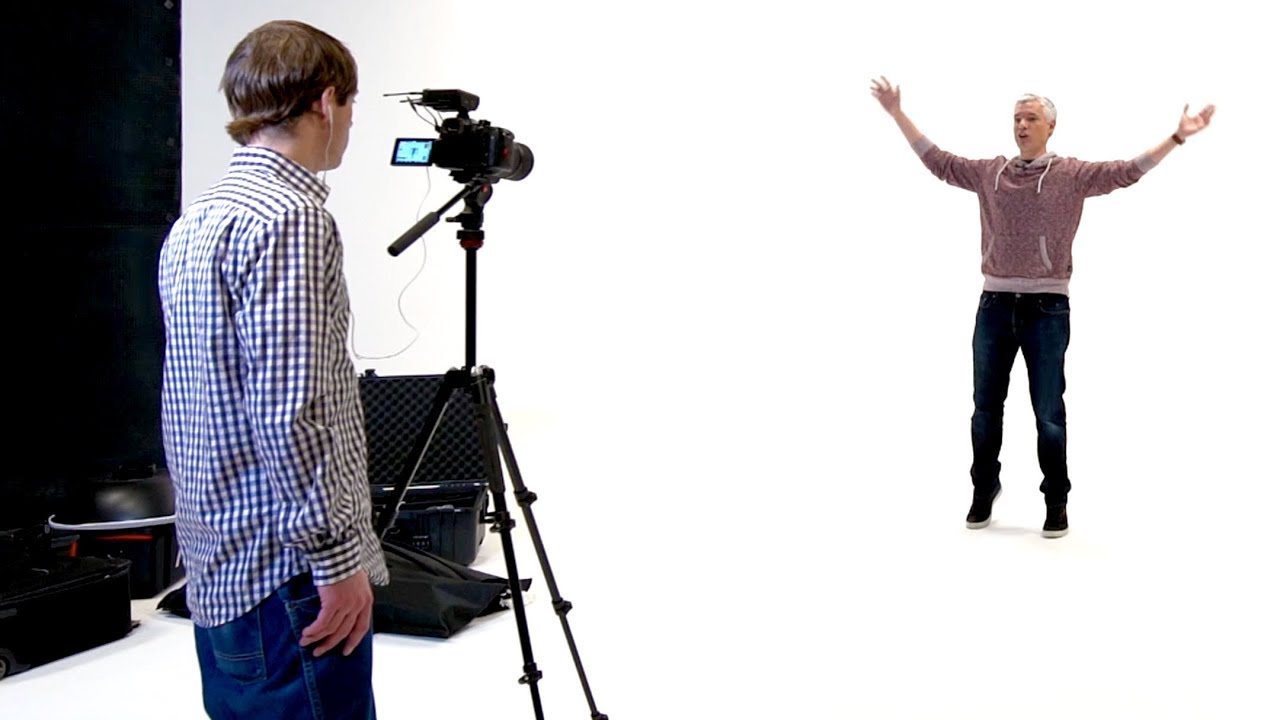
There is a specific kind of panic that hits when you’re forty minutes into a commercial shoot and you can see the edge of your background in the frame. Your talent is ready, your strobes are dialed in, and you’re burning through your shot list. But the white vinyl is doing that thing vinyl always does: it has a faint crease running across the lower third, and no amount of gaffer tape is going to save you.

Flow Posing Newborns: What Kelly Brown's Technique Teaches Us About Working With the Baby, Not Against It

Flow Posing Newborns: What Kelly Brown's Technique Teaches Us About Working With the Baby, Not Against It

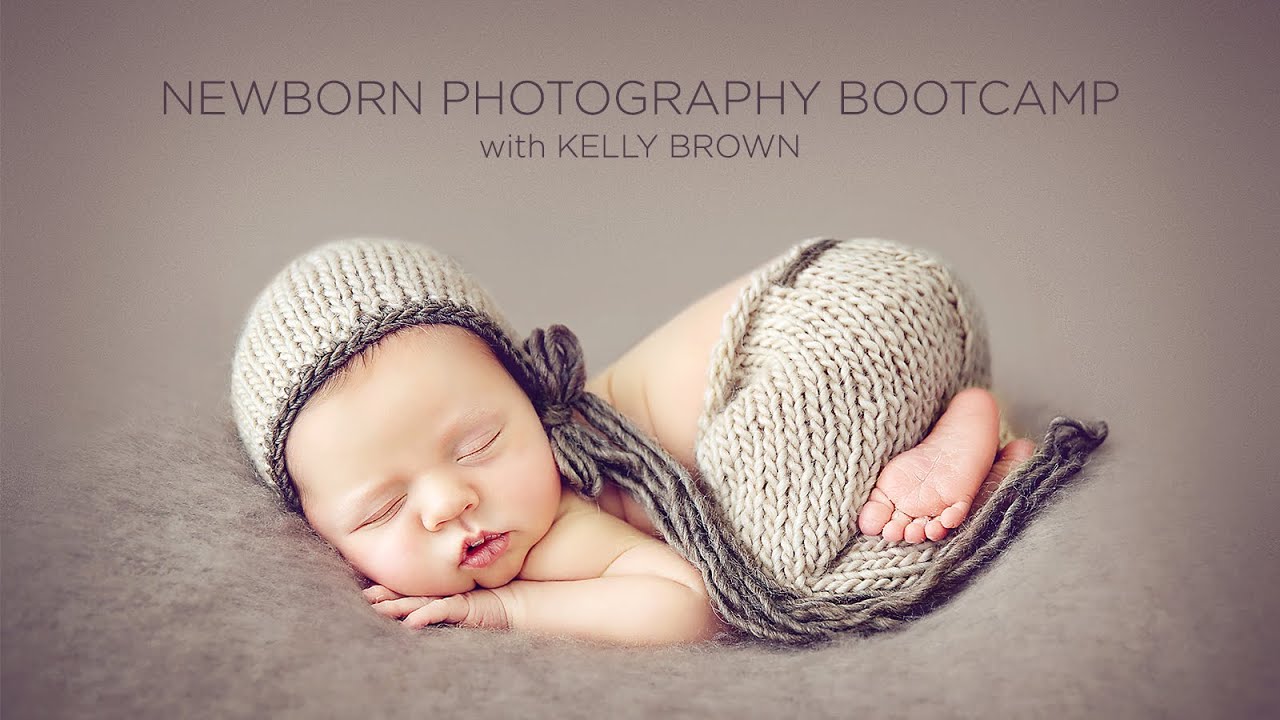
Newborn photography sits in a category of its own. The subjects can’t take direction, they startle at sudden movement, and the margin for error on safety is zero. For most of my career I’ve focused on fashion and beauty work, where the lighting puzzles are technical and the subjects can tell me when something is uncomfortable. Newborns are the opposite on every count. So when I started getting requests from clients who wanted environmental newborn portraits alongside their brand family campaigns, I knew I needed to learn from someone who had built a real system around this work.

Stop Believing the Flash Duration Hype: What Photographers Actually Need to Know

Stop Believing the Flash Duration Hype: What Photographers Actually Need to Know

The Marketing Machine Around Flash Duration Walk into any camera store or scroll through flash specifications online, and you’ll see manufacturers trumpeting their fastest flash durations like it’s the holy grail of lighting equipment. Faster is better, they insist. But I’ve spent years testing gear in my studio, and I need to be direct: this is mostly marketing theater designed to separate you from your money. Let me explain what’s actually happening under the hood, then we’ll talk about whether you should care.

How to Keep Dramatic Lighting Without Exposing Every Skin Texture

How to Keep Dramatic Lighting Without Exposing Every Skin Texture

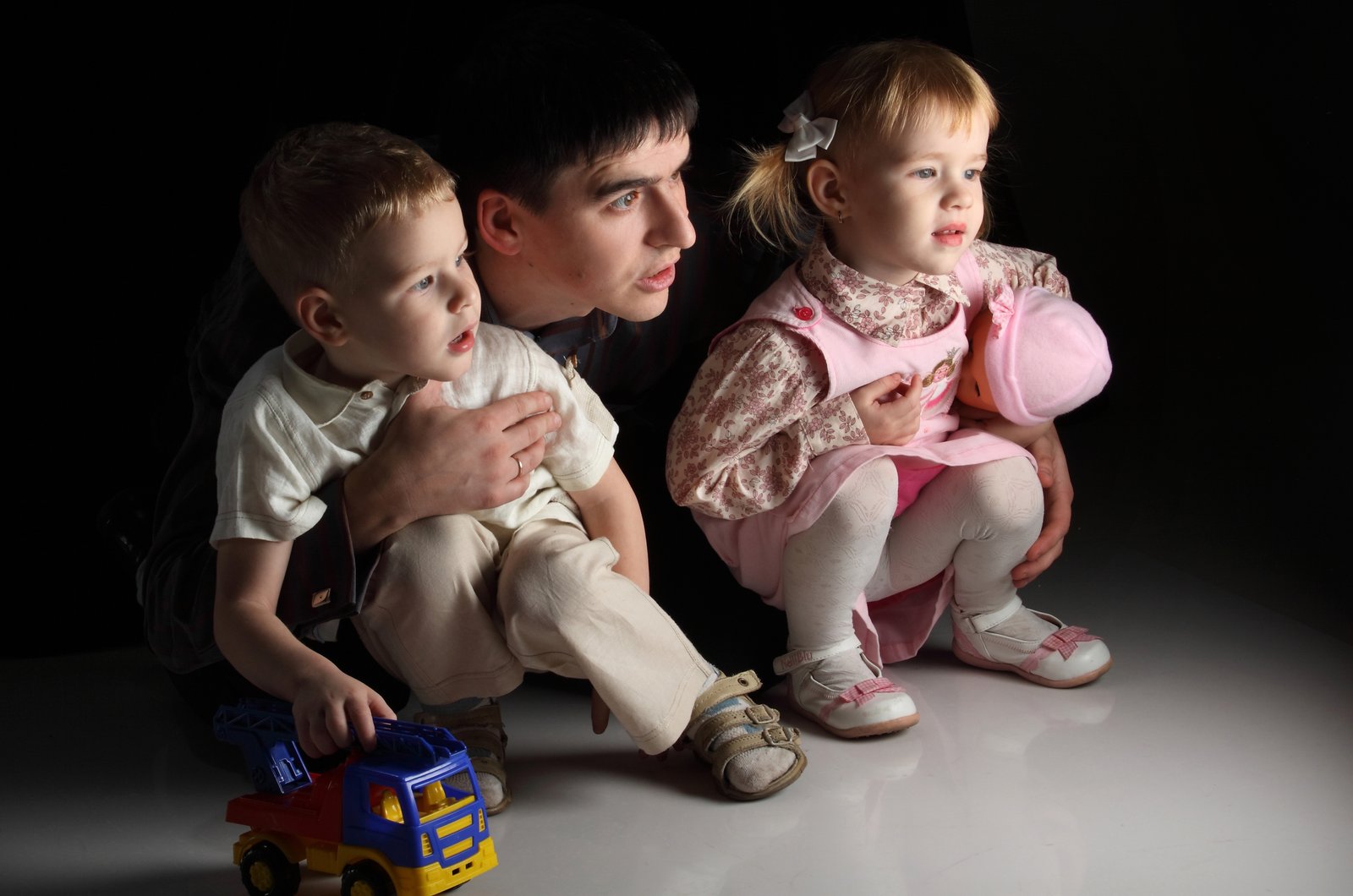
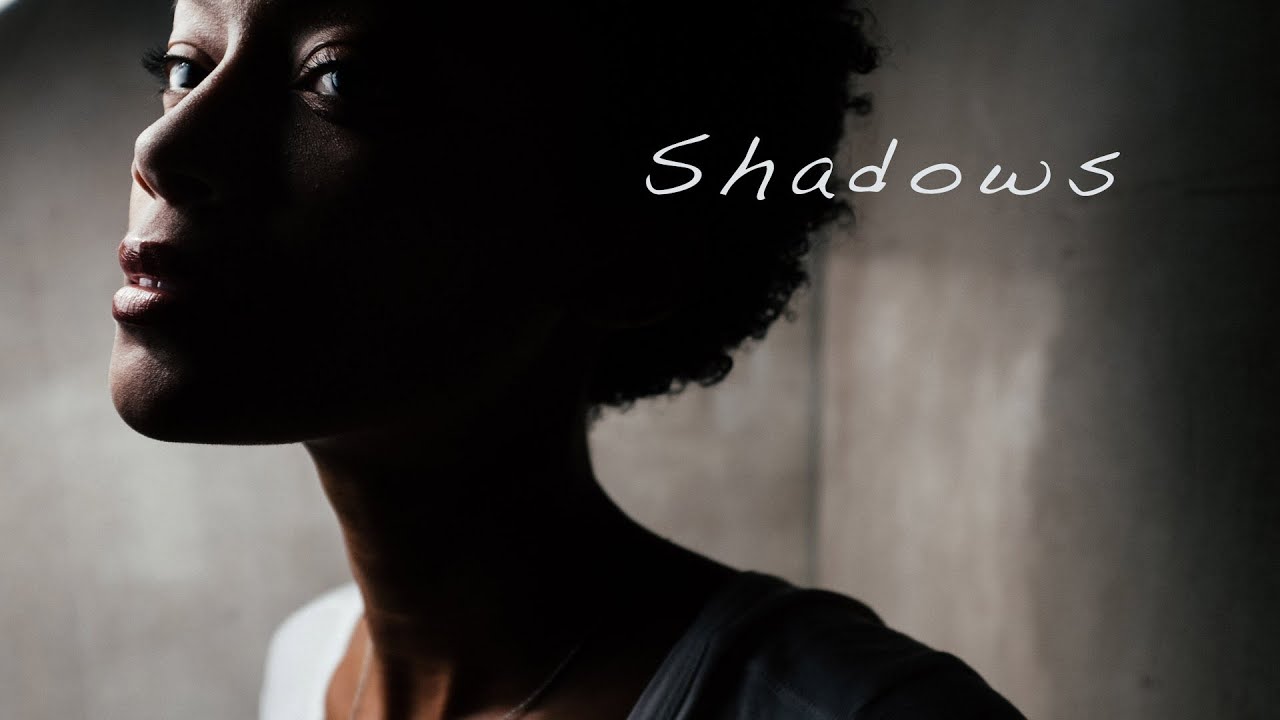
Every few months a client emails me something like: “I love your dramatic work, but I’m self-conscious about my skin — will that lighting make it worse?” It’s a fair question, and for a long time I didn’t have a clean answer. Hard light rakes across texture. Scars cast tiny shadows. Acne that looks invisible in a mirror can look like a topographical map under a bare strobe. I used to mentally file these shoots under “handle carefully” without a clear system for handling them.

How to Light a Subject 100 Feet Long When Your Strobes Are Built for a Studio

How to Light a Subject 100 Feet Long When Your Strobes Are Built for a Studio

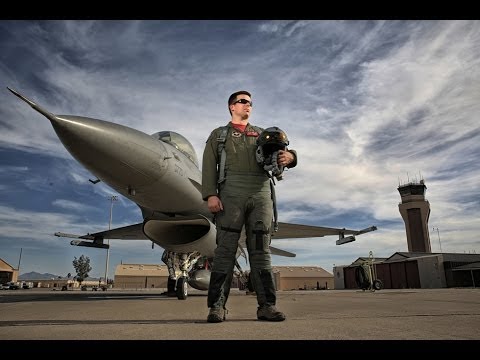
Most of the lighting problems I solve happen within four walls. My studio in Los Angeles is a controlled environment, and I’ve spent years learning how to predict exactly what a modifier will do at a given distance. Then a shoot comes along that strips all of that away, and you remember what lighting fundamentals actually look like when the subject is a 50-foot fighter jet baking on a tarmac at 105 degrees.

Small Flash, Classic Results: How to Build a Studio Portrait Setup with Two Lights and a Reflector

Small Flash, Classic Results: How to Build a Studio Portrait Setup with Two Lights and a Reflector

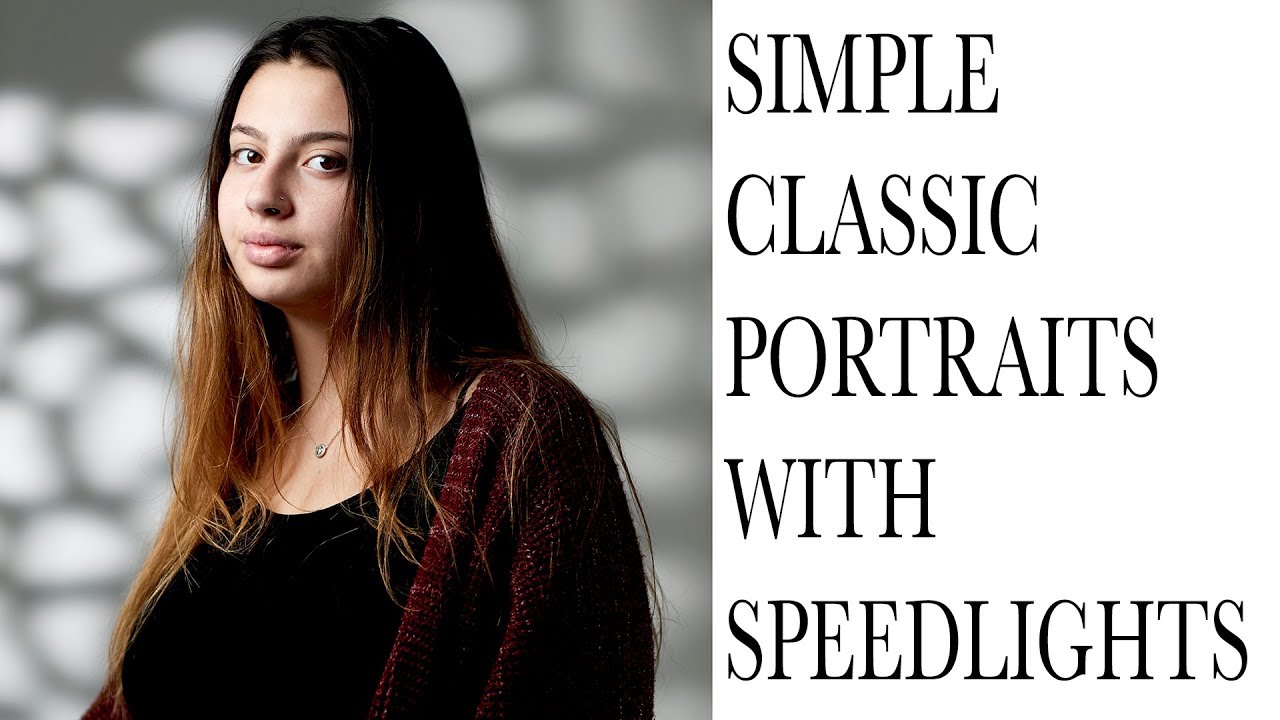
There’s a problem I run into constantly with newer photographers who come through my studio: they think dramatic, polished portraits require a wall of monolights and a dedicated grip crew. I understand where that assumption comes from. But some of my tightest commercial work has come from setups I could pack into a roller bag. That’s exactly why this tutorial from Daniel Norton caught my attention and earned a permanent sketch in my lighting journal.

Why Your Subject Looks Flat: Posing as a Lighting Problem, Not a People Problem

Why Your Subject Looks Flat: Posing as a Lighting Problem, Not a People Problem

The Shoot That Made Me Rethink Everything I Knew About Posing I had a model in the studio last spring. Experienced, professional, genuinely beautiful. I had a Profoto B10 with a 3-foot Rotalux softbox camera left, a reflector camera right, and a clean gray backdrop. Textbook setup. I shot 200 frames and came back with almost nothing usable. The light was technically correct. The exposure was spot on. But she looked stiff, two-dimensional, like a cardboard cutout standing in front of a well-lit wall.

Use a Polaroid's Manual Mode to Lock In Your Studio Lighting Before You Shoot

Use a Polaroid's Manual Mode to Lock In Your Studio Lighting Before You Shoot

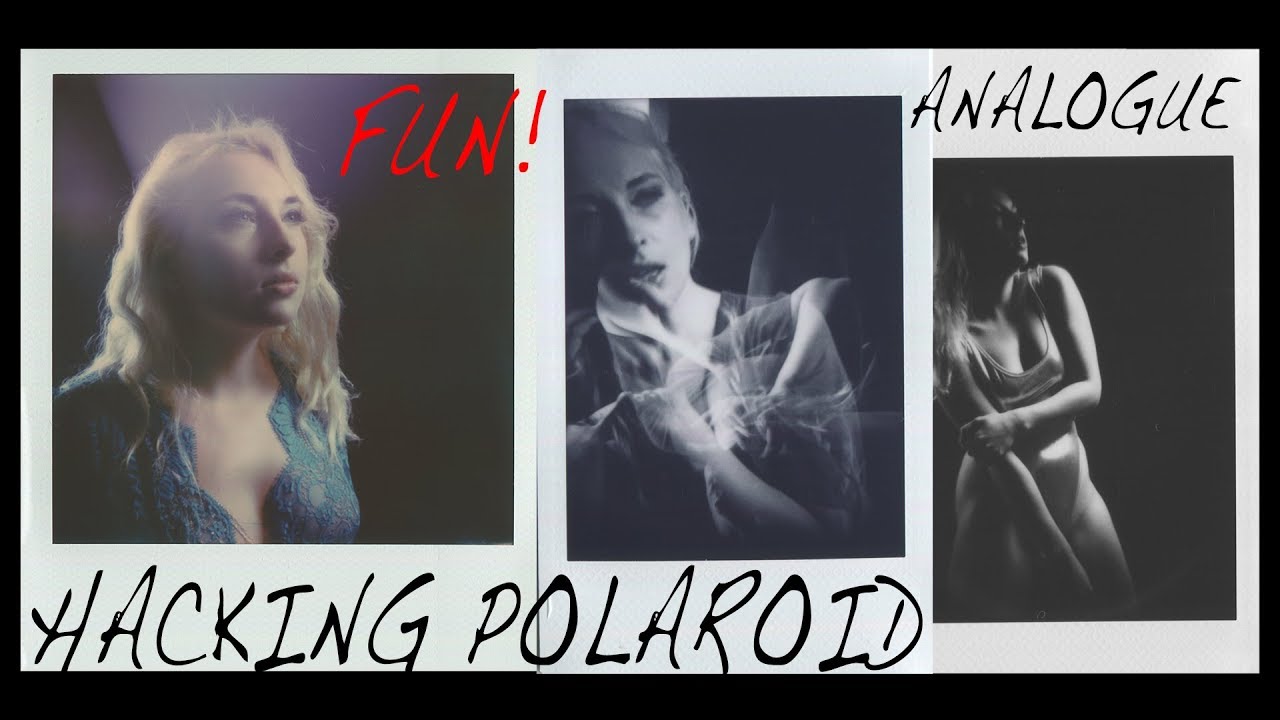
There’s a problem every studio photographer eventually runs into: you’re lighting a subject, your digital camera is doing its own quiet negotiating with TTL, and you’re never quite sure whether what you’re seeing on the back of the camera is the light or the firmware. I’ve been in sessions where I thought I had the setup locked, only to find the exposure drifting between frames because the camera kept second-guessing me.

What a Sewing Studio Teaches Me About Building a Creative Space That Actually Works

What a Sewing Studio Teaches Me About Building a Creative Space That Actually Works

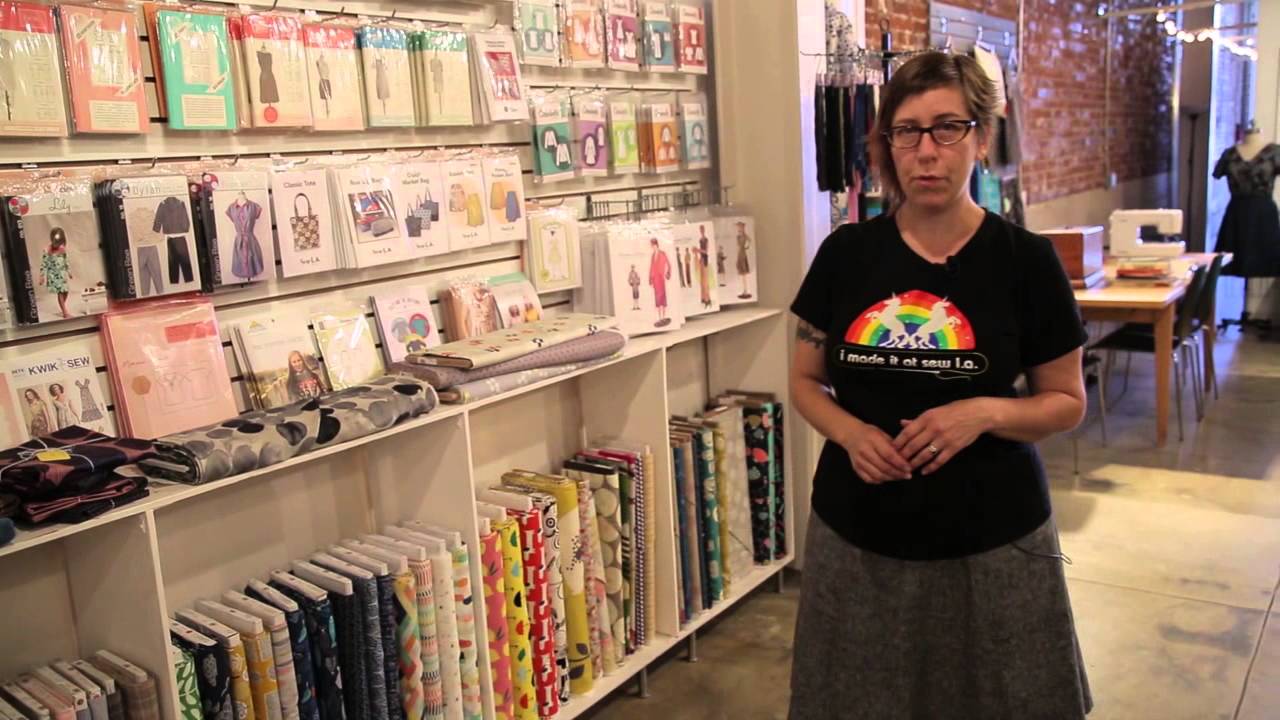
There’s a version of studio envy that has nothing to do with lighting equipment. I felt it the first time I walked into a workspace that was clearly built around how someone actually thinks, not just what looks good in a behind-the-scenes photo. My own studio in Los Angeles has gone through probably six iterations in the last decade. Too sterile. Too cluttered. Wrong flow between the shooting area and the editing corner.

6 Lighting Fundamentals That Matter More Than Any Camera You'll Ever Buy

6 Lighting Fundamentals That Matter More Than Any Camera You'll Ever Buy

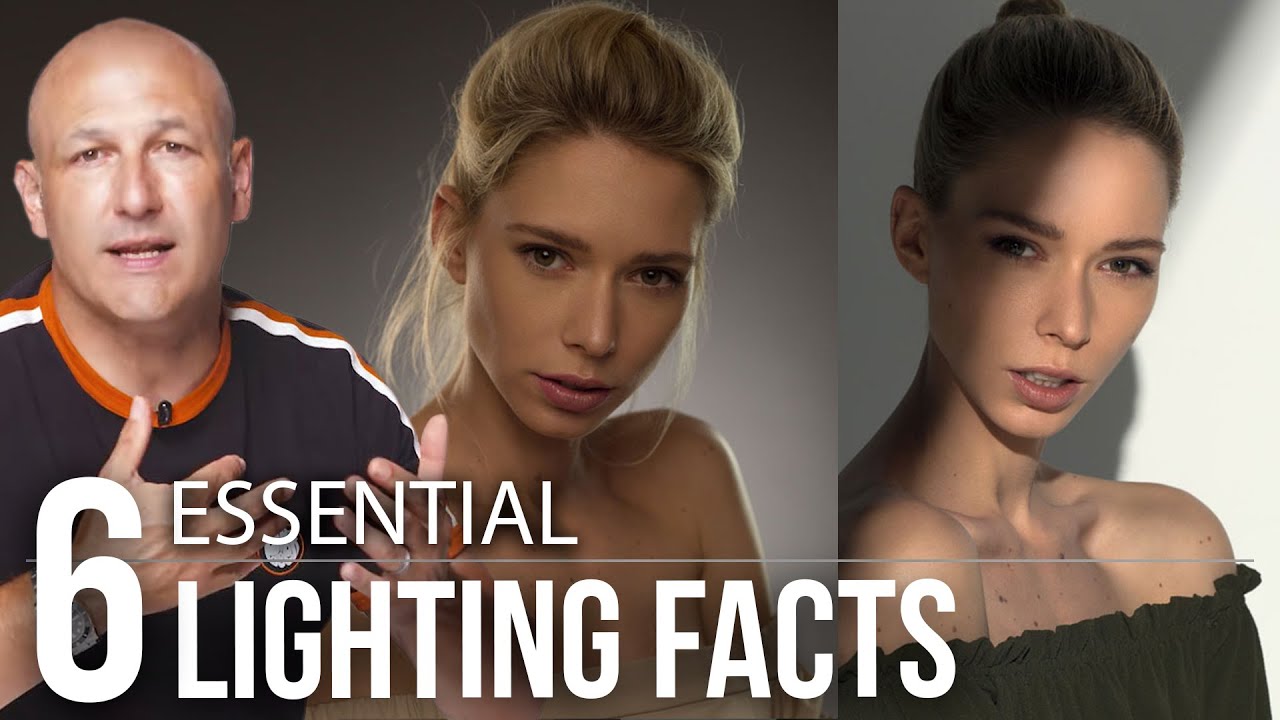
Every few weeks someone emails me asking which camera body I’m shooting with, or which prime lens I’d recommend for portrait work. I get it. Gear is tangible. You can read specs, compare prices, feel confident you’re making a measurable upgrade. But after nearly two decades shooting fashion, beauty, and corporate work out of my studio here in Los Angeles, I can tell you that the camera has never once been the reason a shot failed.

Why Your Subjects Look Stiff: The Posing Problem That Starts Before You Touch the Camera

Why Your Subjects Look Stiff: The Posing Problem That Starts Before You Touch the Camera

The Shot That Almost Wasted a Full Studio Day I had a corporate client fly in from New York for a half-day executive portrait session. The lighting was dialed in before they arrived: a 48-inch Octa as the key at roughly 45 degrees, a strip box camera-left for edge separation, a kicker behind the subject at about 1/8 power. Ratios were solid. The set looked great on the tethered monitor.