Lighting Glasses: How to Avoid Glare and Reflections

Lighting Glasses: How to Avoid Glare and Reflections

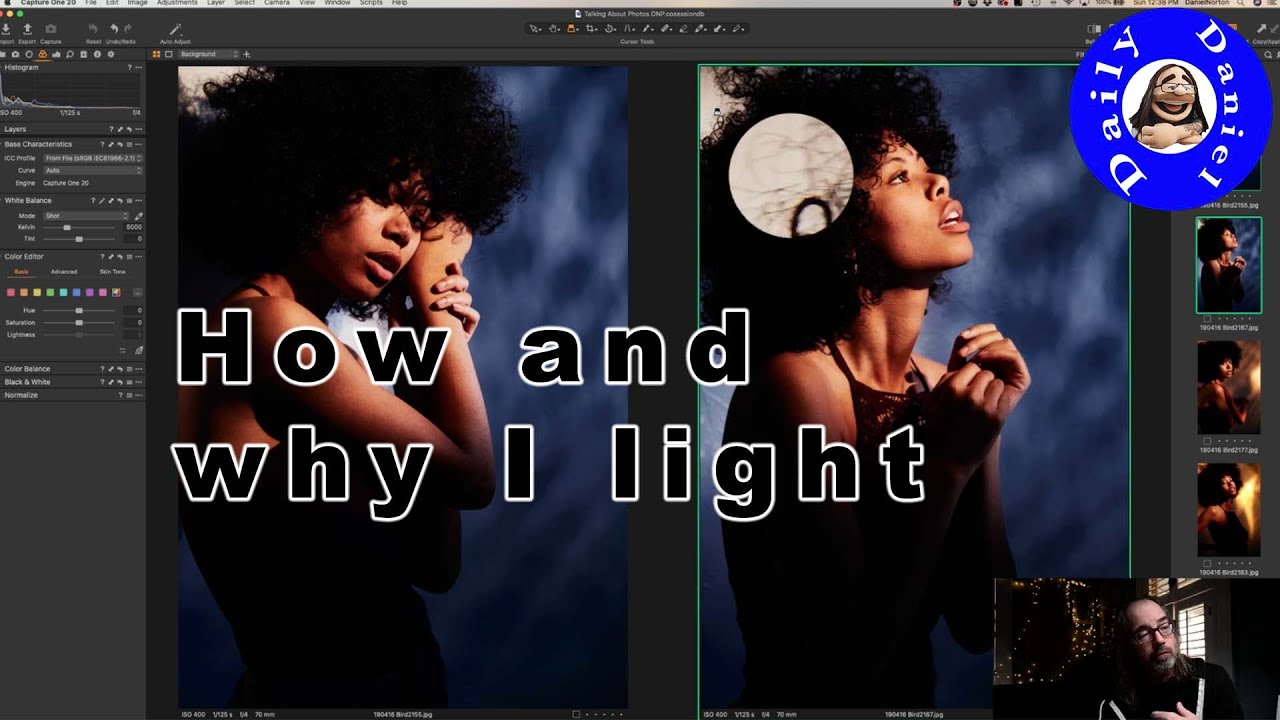
Glasses are a portrait photographer’s recurring challenge. Those curved glass surfaces act as mirrors, reflecting your lights, your softbox shape, and sometimes your entire studio back at the camera. Every solution involves either preventing the reflection from forming, redirecting it away from the camera, or positioning the lights so the reflection falls outside the lens area. Why Glasses Create Reflections Glass reflects light at the same angle it receives it — the angle of incidence equals the angle of reflection.

Light Modifiers: The Essential Tools That Make or Break Your Studio Lighting

Light Modifiers: The Essential Tools That Make or Break Your Studio Lighting

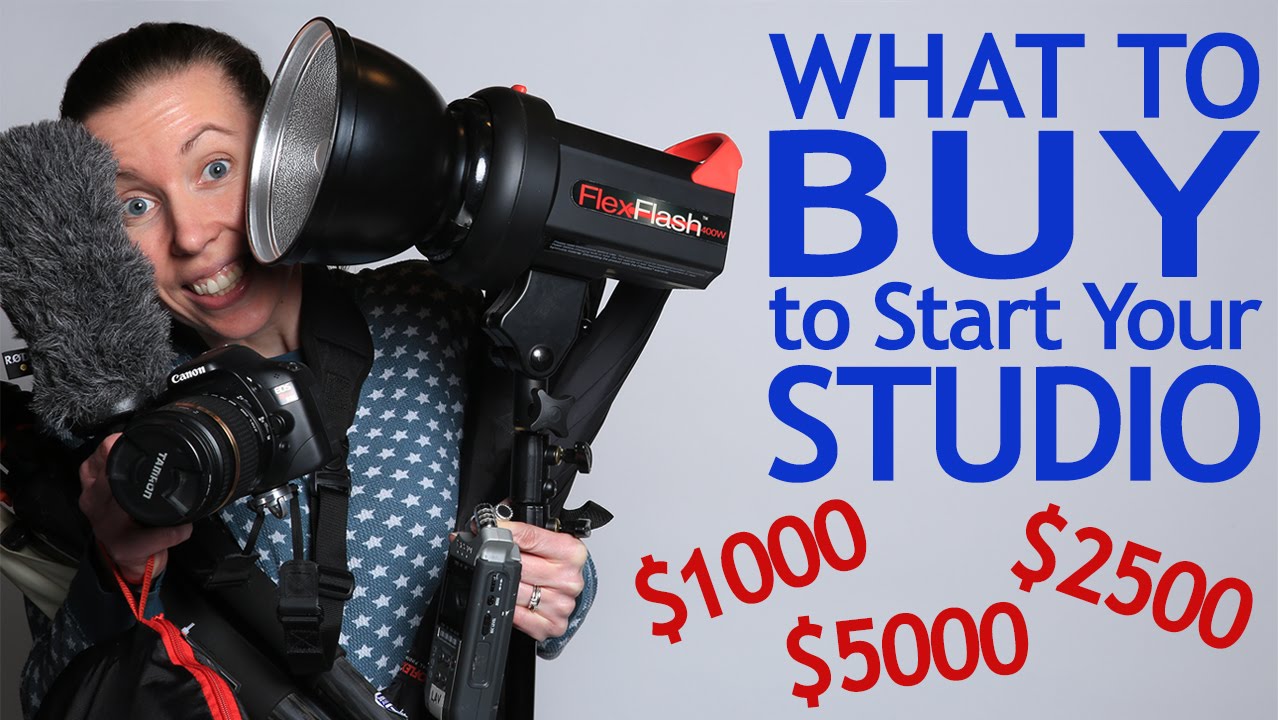
Light Modifiers: The Essential Tools That Make or Break Your Studio Lighting I’ve spent fifteen years refining my lighting setup, and I can tell you with certainty: your light source matters far less than what you put in front of it. A modest 400W strobe becomes a professional tool the moment you add the right modifier. Without one, you’re just throwing raw light at your subject and hoping for results.

Light Modifiers: The Essential Grammar of Studio Lighting

Light Modifiers: The Essential Grammar of Studio Lighting

Light Modifiers: The Essential Grammar of Studio Lighting I’ve watched photographers spend thousands on strobes, then wonder why their light looks harsh and unflattering. The problem isn’t the flash—it’s that they’re using the wrong modifier, or worse, none at all. A light modifier is as fundamental to photography as grammar is to writing. Get it wrong, and even your best composition falls apart. After twenty years in studio work, I’ve learned that modifiers aren’t optional accessories.

Light Modifiers Explained: Softboxes, Umbrellas, and Beauty Dishes

Light Modifiers Explained: Softboxes, Umbrellas, and Beauty Dishes

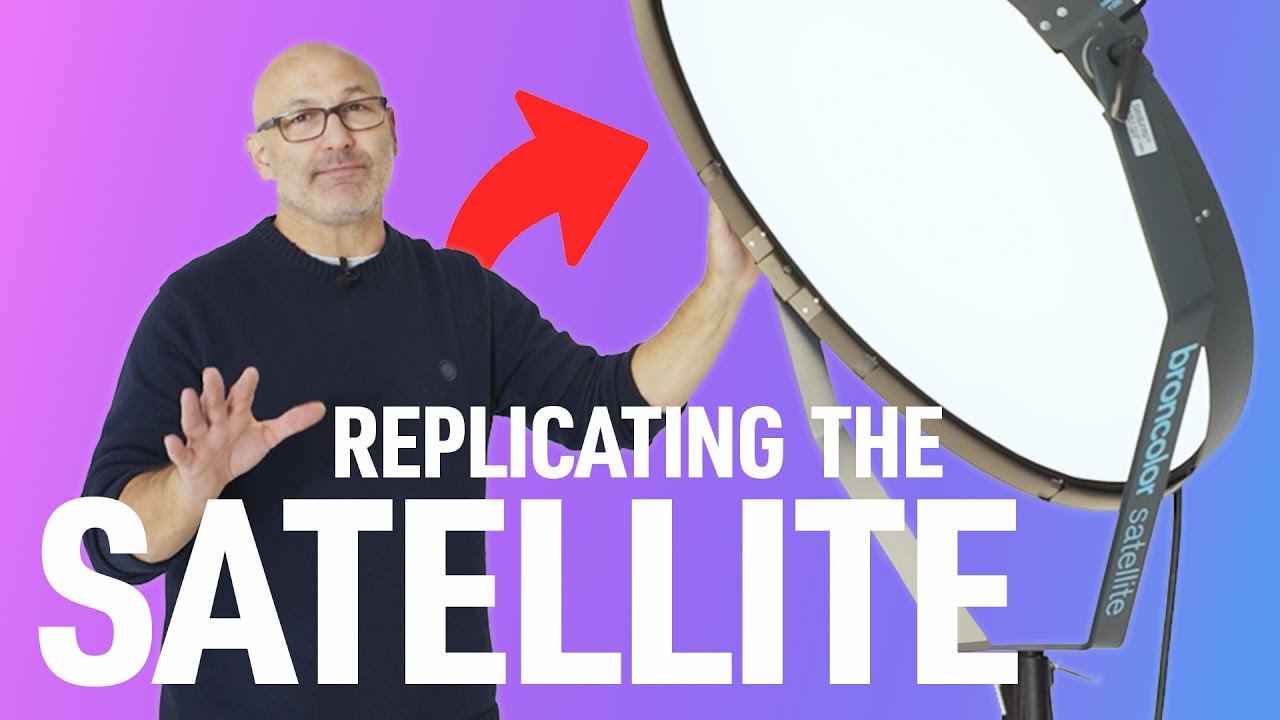
A bare flash produces a small, intense point of light. Modifiers reshape that light before it reaches your subject, changing its size, direction, quality, and spread. Choosing the right modifier is one of the most consequential decisions you make in a studio setup. Softboxes A softbox is an enclosed box with reflective interior walls and a translucent front panel. Light bounces inside the box before passing through the diffusion material, producing even, controlled illumination.

How to Use a Reflector for Natural Light Portraits

How to Use a Reflector for Natural Light Portraits

A reflector is the simplest and most cost-effective lighting tool you can own. It adds no new light to a scene. Instead, it redirects existing light, filling shadows, adding catch lights, and shaping the illumination on your subject. For natural light portrait photographers, a reflector often makes the difference between a flat snapshot and a polished portrait. How Reflectors Work When light hits a reflective surface, it bounces back. The angle of incidence equals the angle of reflection.

How to Update Your FJ-T1 Trigger Firmware: A Step-by-Step Guide

How to Update Your FJ-T1 Trigger Firmware: A Step-by-Step Guide

I keep my studio dialed in the same way I keep my lighting diagrams: nothing gets left to chance. Every strobe is labeled with masking tape. Every modifier gets tested the day it arrives. So when I started noticing inconsistent communication between my FJ-T1 trigger and my strobes during a recent beauty shoot, my first instinct was not to blame the lights. It was to ask whether my trigger’s firmware was current.

How Game Studios Are Mastering Character Lighting: Lessons From Darwin's Paradox

How Game Studios Are Mastering Character Lighting: Lessons From Darwin's Paradox

The Octopus That Changed My Perspective on Character Lighting I’ve spent years analyzing how light shapes a subject’s presence in front of the camera. Recently, I discovered that game developers are solving the same problems we face in traditional photography—just with different tools. ZDT Studio’s upcoming platformer, Darwin’s Paradox, offers surprising lessons about sculpting character presence through intelligent lighting design. Understanding Form Through Translucency What fascinated me most about this project is how the creative team approached lighting an octopus protagonist.

How AI Animation Is Reshaping Visual Storytelling—And What Photographers Should Know

How AI Animation Is Reshaping Visual Storytelling—And What Photographers Should Know

The Intersection of Publishing and Digital Animation I’ve been watching the animation landscape shift dramatically over the past few years, and a recent development caught my attention: major publishers are now partnering with AI-driven animation studios to convert their literary properties into digital shows. This trend has significant implications for anyone working in visual media—photographers, lighting designers, and studio professionals included. The partnership between HarperCollins and Toonstar represents something larger than just another book adaptation.

High-Speed Sync Flash: When and Why You Need It

High-Speed Sync Flash: When and Why You Need It

High-Speed Sync (HSS) lets you use flash at shutter speeds faster than your camera’s native sync speed — typically above 1/200s or 1/250s. This seemingly technical feature solves a very practical problem that every outdoor portrait photographer encounters: balancing flash with bright ambient light while maintaining shallow depth of field. The Sync Speed Problem Your camera’s sync speed is the fastest shutter speed at which the entire sensor is exposed simultaneously.

Harlowe's Max Bi-Color LED Monolights: Power Meets Practicality in the Modern Studio

Harlowe's Max Bi-Color LED Monolights: Power Meets Practicality in the Modern Studio

I’ve spent enough time in studios and on location shoots to know that lighting equipment rarely excels at everything. You typically sacrifice power for portability, or wireless convenience for consistent color temperature. So when I heard about Harlowe’s expanded Max Bi-Color LED monolight lineup, I paid attention—because the company seems intent on collapsing those compromises. What’s New Harlowe has introduced several new configurations of their Max monolights, all centered around a 120-watt fixture that’s substantially more powerful than most portable LED solutions currently on the market.

Hard Light vs Soft Light: When to Use Each

Hard Light vs Soft Light: When to Use Each

Every light source produces either hard or soft light. This distinction, defined by the character of the shadows it creates, is the single most important concept in photographic lighting. Once you understand what controls it, you can shape light intentionally rather than accepting whatever the equipment happens to produce. Defining the Terms Hard light creates shadows with sharp, clearly defined edges. The transition from light to shadow is abrupt. Texture is emphasized because every surface variation casts its own small, crisp shadow.

Group Lighting: The Recipe for Sharp, Even Exposures Across Multiple Subjects

Group Lighting: The Recipe for Sharp, Even Exposures Across Multiple Subjects

Group Lighting: The Recipe for Sharp, Even Exposures Across Multiple Subjects I’ve lit hundreds of group portraits, and I can tell you this: most photographers fail at group lighting because they treat it like a scaled-up version of single-subject work. It isn’t. The math changes. The angles change. And if you get it wrong, someone always looks like they’re standing in a cave while someone else gets blown out. Let me give you the recipe I use, broken down into actionable steps.