Master lighting, posing & studio photography

By Robert Kessler

Subscribe for Free Tips

Latest Articles

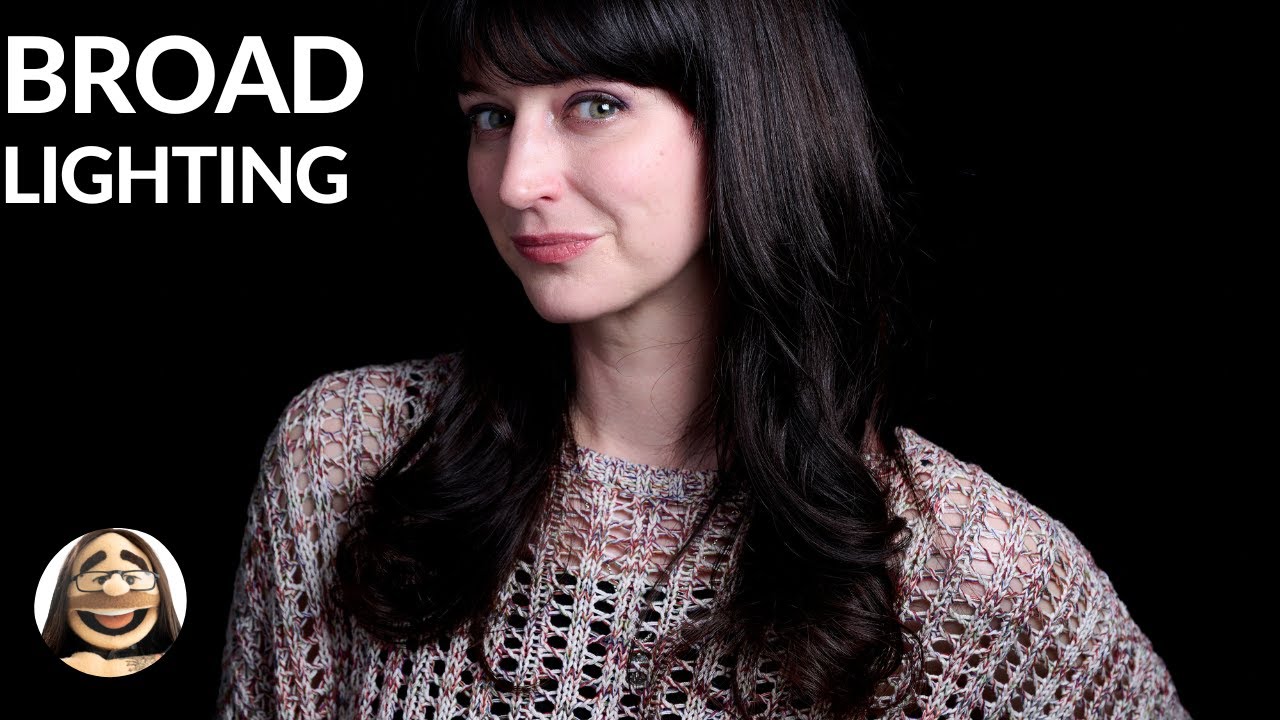
Broad Lighting Explained: The Friendly, Flattering Pattern Every Portrait Photographer Should Master

Broad Lighting Explained: The Friendly, Flattering Pattern Every Portrait Photographer Should Master

There’s a category of client I get regularly in my Los Angeles studio: the corporate headshot subject who walks in tense, arms crossed, absolutely certain they’re not photogenic. My job in the first ten minutes isn’t to take pictures. It’s to make the light so open and welcoming that they stop thinking about the camera. Broad lighting is one of my go-to tools for exactly that situation. It’s generous, it’s readable, and it communicates warmth before the subject even registers what you’ve done.
Why Your Studio Portraits Look Flat: Posing and Lighting Lessons from a Blind Critique

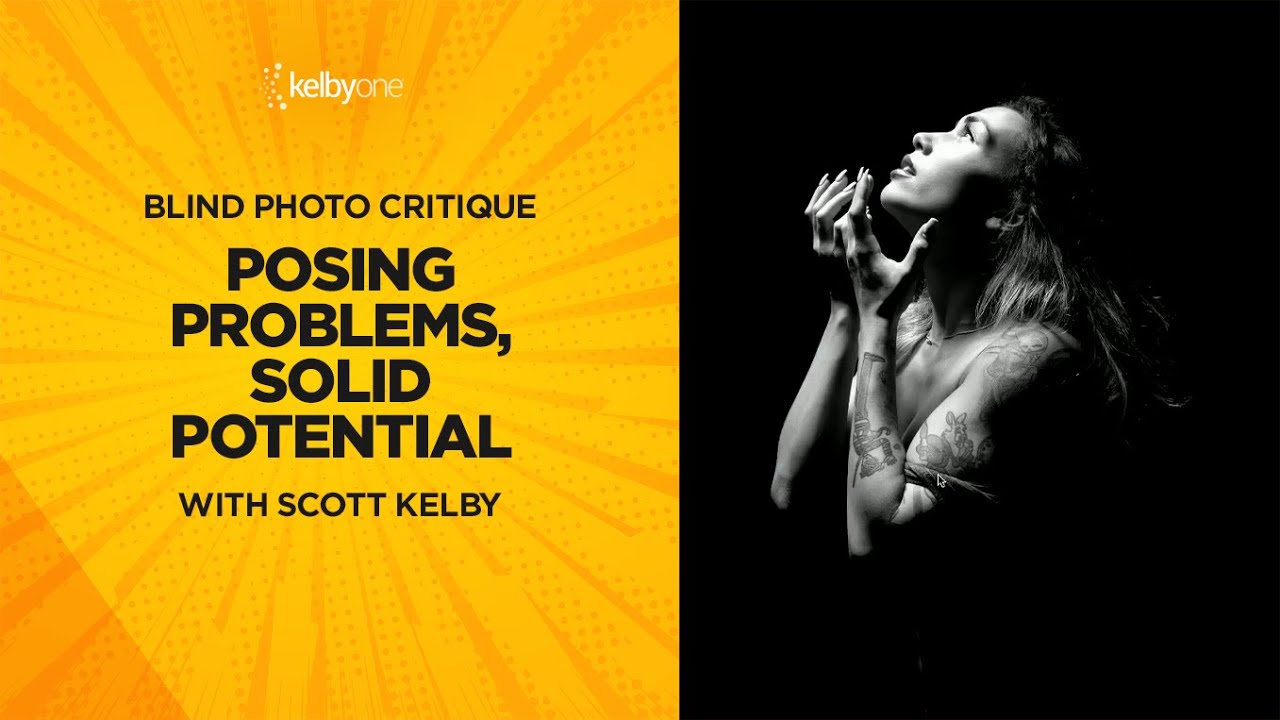
Why Your Studio Portraits Look Flat: Posing and Lighting Lessons from a Blind Critique

Posing is the thing nobody wants to hear about. Photographers will spend hours obsessing over light ratios, modifier choice, and color calibration — guilty as charged — and then put a subject in front of that carefully engineered setup and completely fall apart. I’ve done it. The light was dialed in, the background was clean, and the model looked like she was waiting for a bus. The image was technically correct and emotionally dead.

LED vs. Studio Flash: What This Head-to-Head Test Actually Taught Me

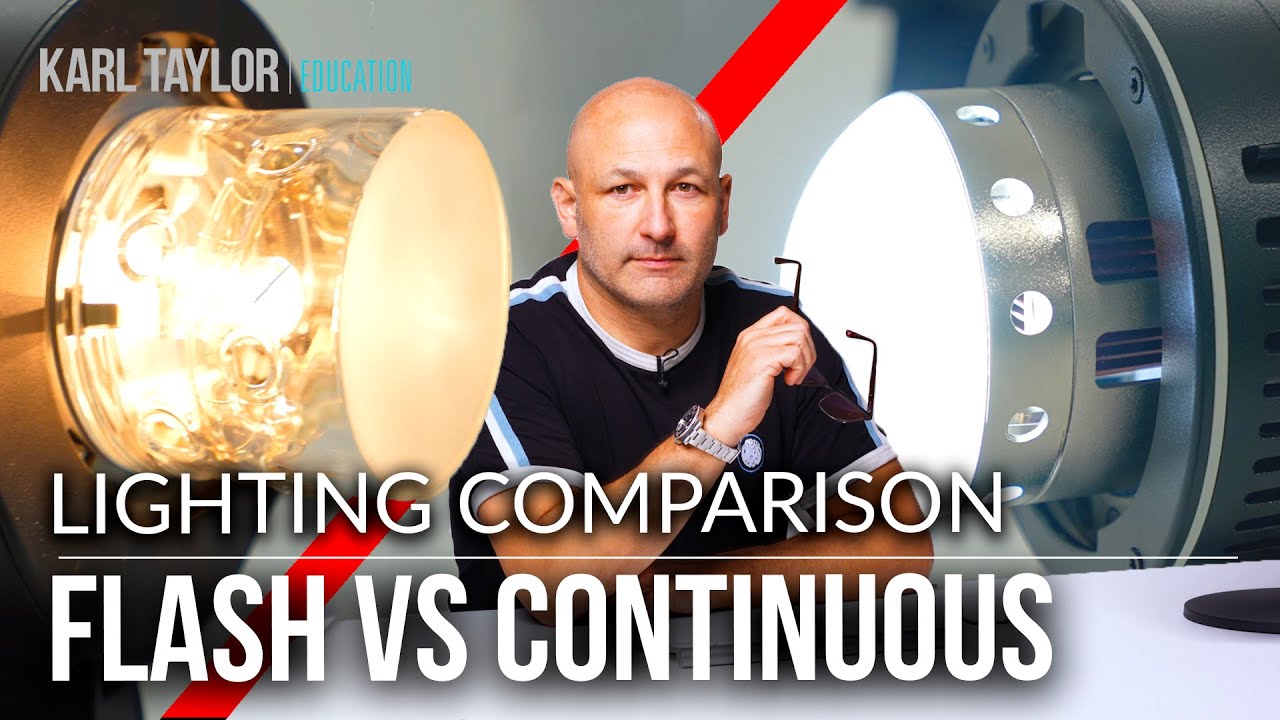
LED vs. Studio Flash: What This Head-to-Head Test Actually Taught Me

Every few months a client asks me whether they need to rent “the flash stuff” or whether their LED panel will do. I used to give a vague answer. Now I send them a lighting breakdown instead. The truth is the gap between LED and studio flash has closed considerably in recent years, but it has not closed all the way, and knowing exactly where the gap still lives will save you from a ruined shoot.

Why Group Lighting Keeps Failing You (And How to Fix It With One Extra Stop)

Why Group Lighting Keeps Failing You (And How to Fix It With One Extra Stop)

The Problem Nobody Talks About at Group Shoots Last spring I was hired to shoot a corporate team portrait. Fourteen people, two rows, a seamless gray background, and a client who wanted everyone looking sharp and evenly lit. I’ve done this setup probably sixty times. I still spent forty minutes on the lighting before I fired a single frame. Not because I was being fussy. Because group lighting is genuinely hard, and the photographers who struggle with it are usually fighting the wrong problem.

Lighting Ratios Demystified: A Working Photographer's Guide to Stop-Based Light Control

Lighting Ratios Demystified: A Working Photographer's Guide to Stop-Based Light Control

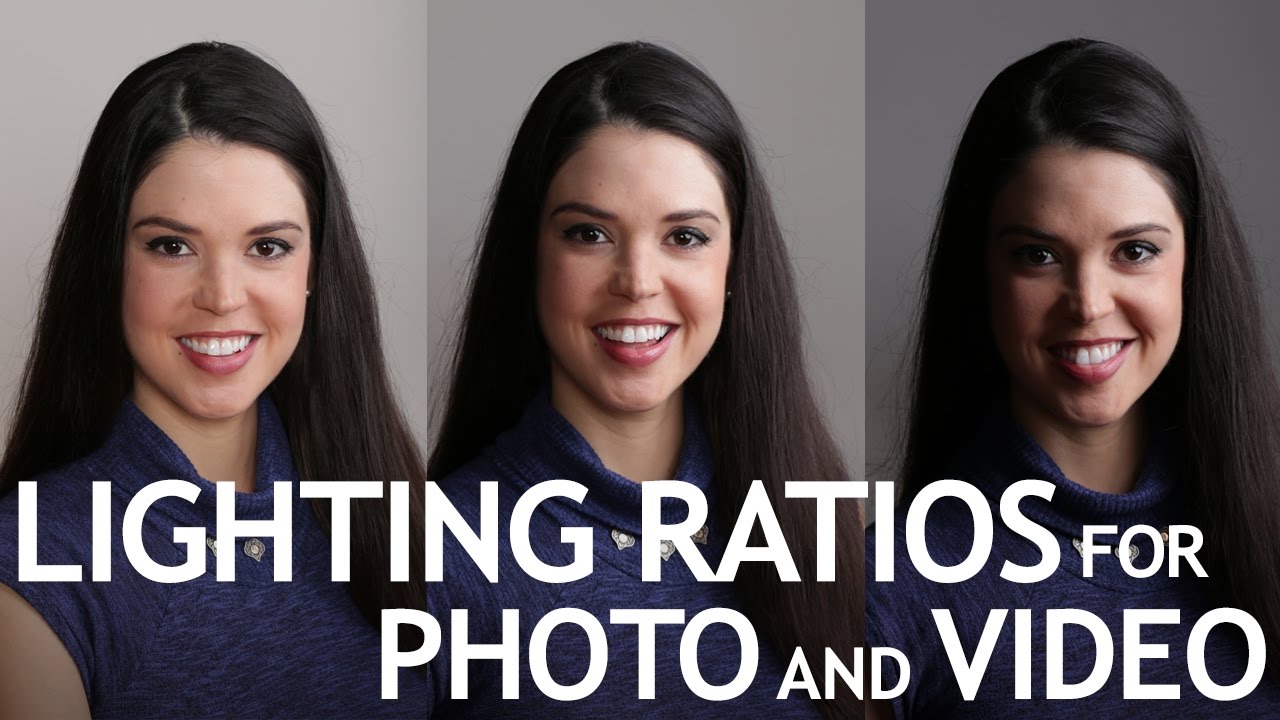
Every light in my studio has a strip of masking tape on it with a label. Key, fill, rim, kicker. It sounds obsessive until you’re forty minutes into a beauty shoot for a client and your assistant asks which light to pull back. Then it’s just efficient. That same obsessive precision is what made me stop mid-scroll when I found JP Morgan’s tutorial on lighting ratios over at The Slanted Lens.

One Pose, Two Genders: Scott Robert Lim's Method for Posing Curves That Actually Works

One Pose, Two Genders: Scott Robert Lim's Method for Posing Curves That Actually Works

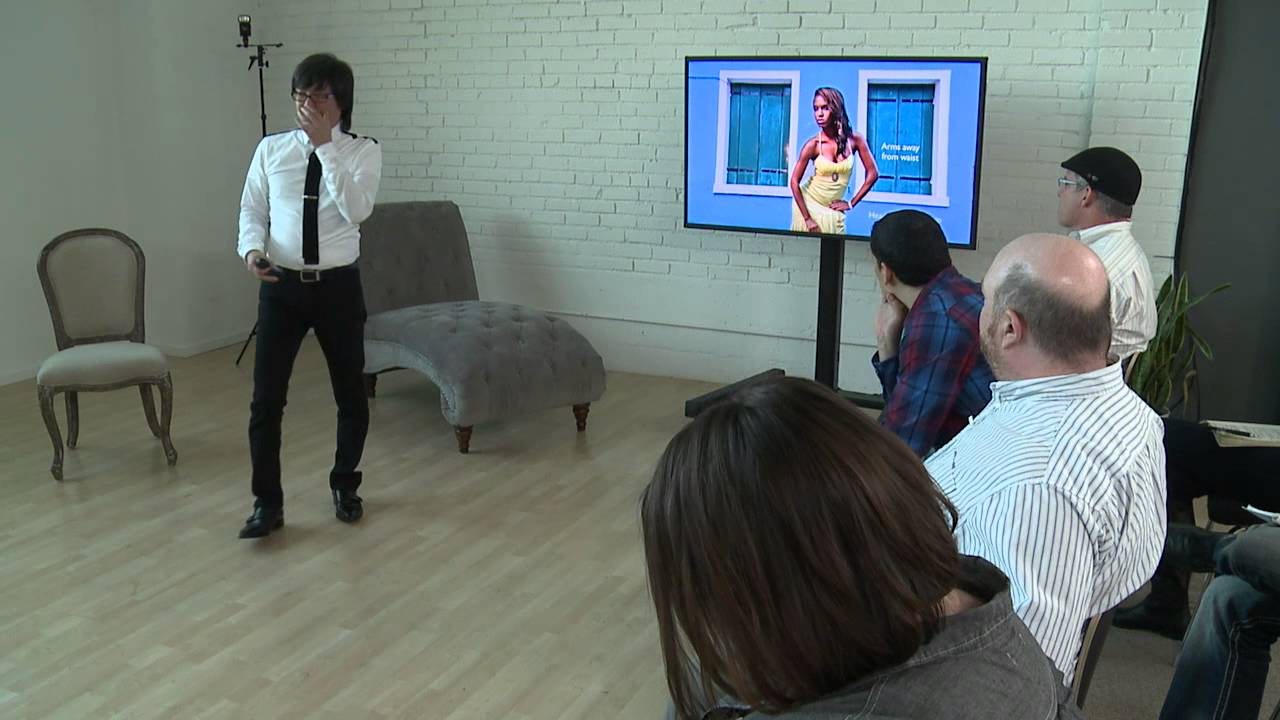
Posing is the part of studio work I underestimated the longest. I could dial in a five-light setup in twenty minutes, sketch the diagram in my lighting journal before the client walked in, but the moment a subject stood in front of the backdrop, I’d freeze up and start improvising badly. Lighting a body and posing a body are different skills, and for years I treated them as unequal, which meant technically well-lit photographs of people standing awkwardly.

Getting TTL Flashes Off Your Camera: A Step-by-Step Guide to Radio Triggers

Getting TTL Flashes Off Your Camera: A Step-by-Step Guide to Radio Triggers

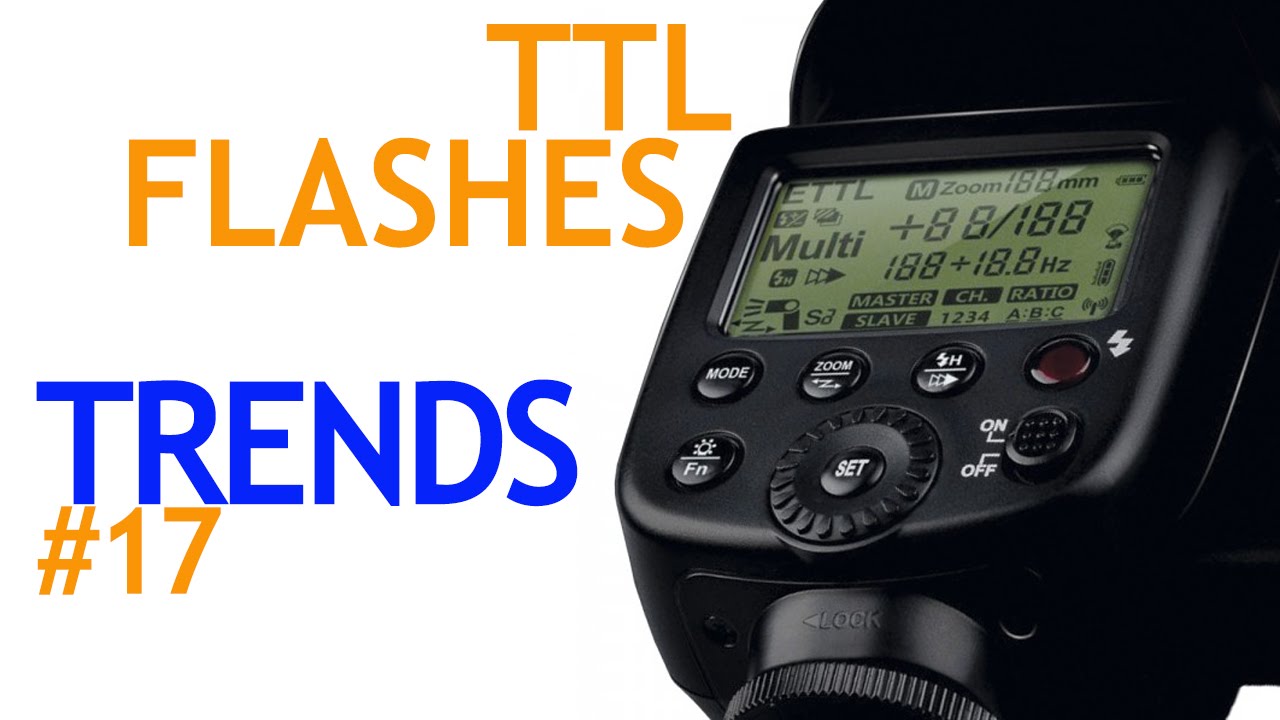
Every commercial shooter I know has a drawer full of speedlights they stopped using the moment they moved into a studio. That’s a mistake. On location, when you need to move fast, a couple of TTL speedlights on radio triggers can outrun a full strobe kit on setup time alone. The problem most photographers hit isn’t the flash itself, it’s the trigger system, specifically understanding how to group flashes, link them reliably, and then actually adjust ratios without digging through menus mid-shoot.

Why Group Lighting Fails (And the Ratios That Fix It)

Why Group Lighting Fails (And the Ratios That Fix It)

The Moment You Realize One Light Cannot Do Everything I had seven executives in front of my backdrop last spring. Corporate annual report, decent budget, clients watching from behind a laptop in the corner. I’d built what I thought was a clean, efficient two-light setup, and within three frames I could already see the problem in my histogram. The person on the far left was two stops darker than the CEO in the center.

Five Pro Lighting Moves I Stole From This Tutorial (And Now Use On Every Shoot)

Five Pro Lighting Moves I Stole From This Tutorial (And Now Use On Every Shoot)

Client budgets have a way of demanding that you look like you had three times the crew you actually did. That pressure is where real lighting craft gets built. Over the years I’ve leaned hard on tutorials from photographers who think in systems rather than happy accidents, which is why I keep coming back to Visual Education’s work. Their approach to breaking down professional setups into repeatable steps is exactly how I think about lighting myself.

Know Your Sizes: The Stand and Thread Standards Every Studio Photographer Should Memorize

Know Your Sizes: The Stand and Thread Standards Every Studio Photographer Should Memorize

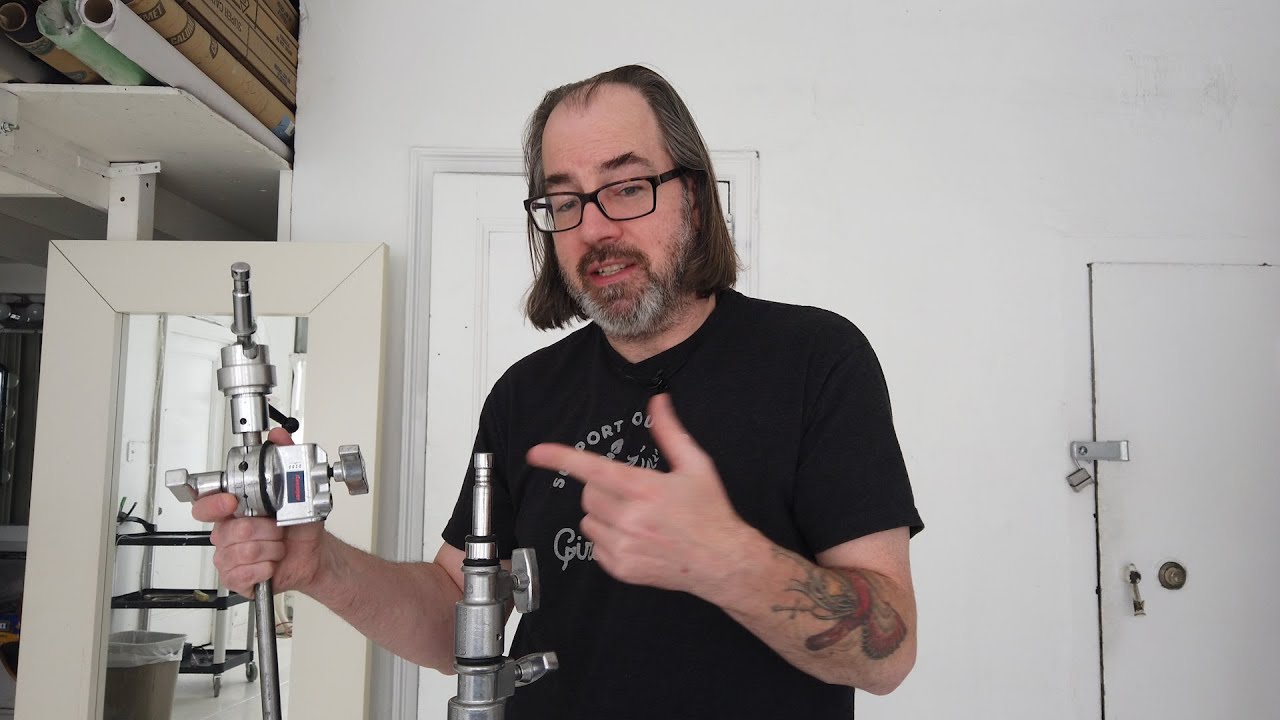
I keep a roll of masking tape in every corner of my studio. Labels on lights, labels on cables, labels on adapter pouches. That habit started because I once spent twenty minutes on a paid shoot hunting for the right fitting to mount a strobe to a C-stand arm, and the client was watching me do it. Never again. The unglamorous truth about studio photography is that the gear has to work before the light can work, and that means knowing your sizes cold, before you’re under pressure.

Broad, Short, Flat, Dimensional: The Four Lighting Terms Every Studio Photographer Needs to Speak Fluently

Broad, Short, Flat, Dimensional: The Four Lighting Terms Every Studio Photographer Needs to Speak Fluently

Every shoot I do involves lighting decisions that I need to communicate quickly, sometimes to an art director standing three feet away, sometimes to an assistant I’ve never worked with before. When I started out, I didn’t have a shared vocabulary for that. I’d say things like “make it moodier” or “can you soften that side?” and we’d burn ten minutes figuring out what I actually meant. Learning the core terminology of studio lighting didn’t just make me sound more professional.

The Five Portrait Lighting Patterns Every Studio Shooter Needs to Own Cold

The Five Portrait Lighting Patterns Every Studio Shooter Needs to Own Cold

When the Light Lies to You I keep a lighting journal. Every setup from every shoot gets a sketch, sometimes a Polaroid taped to the page, usually a few notes about what I’d change next time. Flipping back through it last year, I noticed something embarrassing: my first three years of studio work were basically the same two lighting patterns over and over. Not because they were the best options. Because I didn’t truly understand what the others were doing to a face.

Never Miss a Tutorial

Join our newsletter and get weekly tips, tutorials, and exclusive content.

Subscribe Now