Taking the Octodome Outside: A Location Lighting Breakdown from Sand to Fire

Taking the Octodome Outside: A Location Lighting Breakdown from Sand to Fire

Every time I take strobes outside, I’m reminded that natural light is not your friend — it’s a variable you have to negotiate with. The sun moves, clouds shift, and the beautiful golden hour you planned around disappears in about twelve minutes. What I always come back to is having a system: know where your ambient is coming from, decide how to use it, then build your artificial light around that decision.
How to Shoot In-Camera Double Exposures: A Step-by-Step Studio Guide

How to Shoot In-Camera Double Exposures: A Step-by-Step Studio Guide

Clients started asking me for double exposure portraits about three years ago. Fashion editorial, beauty campaigns, album covers - the technique was everywhere, and every art director had a reference image they’d pulled from Pinterest. My instinct was to handle it in post, the way most photographers do. Composite two frames in Photoshop, blend the layers, call it done. But the results always looked slightly assembled, like two photographs politely sharing the same space rather than actually belonging together.

Why Studio Photographers Need Reliable Portable Power on Location Shoots

Why Studio Photographers Need Reliable Portable Power on Location Shoots

Why Studio Photographers Need Reliable Portable Power on Location Shoots The moment you step outside your controlled studio environment, power becomes your most critical resource. I’ve learned this lesson repeatedly over the years—nothing derails a shoot faster than a dead battery at the exact moment you need it most. Recently, I spent considerable time evaluating the BLUETTI Elite 400 power station, and I want to share what I discovered about whether it actually solves the power puzzle that location photographers face daily.

Where Great Lighting Actually Comes From: Two Methods That Work in the Real World

Where Great Lighting Actually Comes From: Two Methods That Work in the Real World

I keep a lighting journal. Every setup from every shoot gets a rough sketch, the modifier positions, the rough ratios, sometimes a note about what I was thinking when I built it. I started doing this because I noticed something uncomfortable: when I stepped into the studio without a clear visual in my head, I wasted an hour chasing a feeling I couldn’t name. The setup would be technically fine. The light would be even and flattering.

One Flash, Full Control: Why Manual Mode Is the Only Way to Light Seriously

One Flash, Full Control: Why Manual Mode Is the Only Way to Light Seriously

Every bad habit I’ve developed in this business started with me reaching for a shortcut before I understood the fundamentals. Flash was no different. Early in my commercial work, I was running TTL on location shoots and wondering why my results felt inconsistent, why I’d nail an exposure in one room and completely lose it in the next. The truth was that I didn’t actually control my light. My camera did, and it had no idea what I was going for.

What a Fresnel Lens Actually Does to Your Light (And Why I Reach for One First)

What a Fresnel Lens Actually Does to Your Light (And Why I Reach for One First)

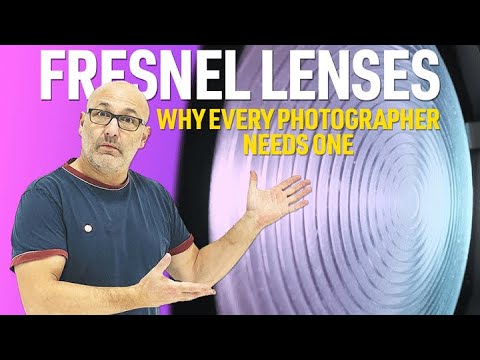
For years I defaulted to grids when I needed a controlled pool of light on a background. They’re cheap, they’re fast, and they live in a pouch that fits in my kit bag. But every time I pulled up a reference image I was trying to match — something from a fashion editorial, usually — the background light had a quality I couldn’t quite get. A smooth, perfectly graduated circle that faded out evenly in every direction.

Why Your Flash Photos Look Flat (And the Exposure Triangle Isn't the Problem)

Why Your Flash Photos Look Flat (And the Exposure Triangle Isn't the Problem)

I shot my first real editorial assignment for a regional fashion magazine on a rented Profoto kit I’d used maybe twice. The images came back from the lab looking muddy, slightly green, and nothing like what I’d seen on the back of the camera. The stylist had done extraordinary work. The model was doing everything right. The problem was me - specifically, the fact that I had mixed a daylight-balanced strobe with a tungsten modeling light and never bothered to calibrate either one.

How to Direct a Model When You Only Have 3 Minutes (And a Wall)

How to Direct a Model When You Only Have 3 Minutes (And a Wall)

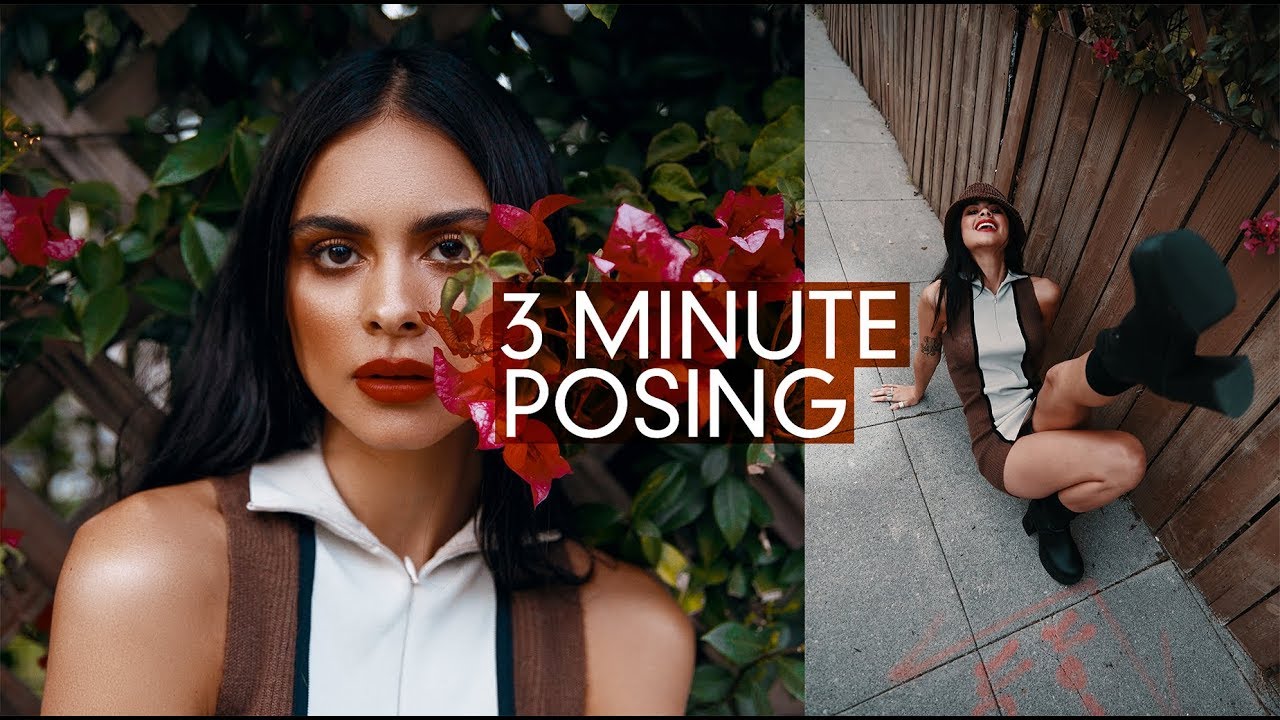
Most of my work happens in a controlled environment. I know where every light is before the model walks in. I have tape on the floor marking positions, a lighting diagram sketched the night before, and a shot list the client approved two weeks ago. That structure is a professional asset, and I’d defend it to anyone. But it also creates a blind spot: the ability to think fast, move fast, and direct a model without a plan to lean on.

Light the Journey, Not Just the Destination: Dramatic Lighting for Moving Characters

Light the Journey, Not Just the Destination: Dramatic Lighting for Moving Characters

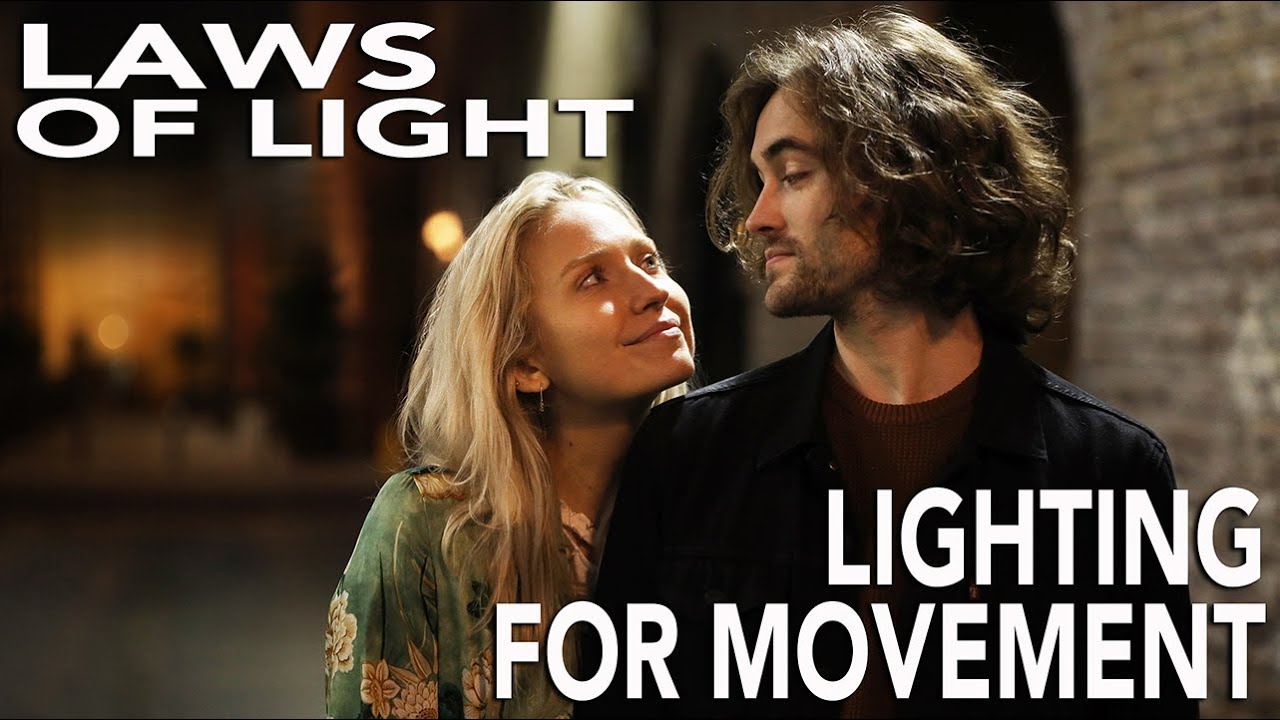
Most of my work happens in a controlled studio where I can tape a light to the floor with painter’s tape and it will be exactly there six hours later. Motion work on location is a different animal entirely. The character is moving through space, the camera is chasing them, and your carefully placed light has about three seconds to do its job before the actor walks out of it. For years I approached this kind of shoot the way I approach a portrait: one key position, fill as needed, done.

What It Actually Costs to Build a Fashion Photography Studio From Scratch

What It Actually Costs to Build a Fashion Photography Studio From Scratch

Every few years I walk through what it would cost to start over. Not because I’m planning to, but because it keeps me honest about what equipment actually matters versus what I’ve accumulated out of habit. The exercise gets uncomfortable fast, especially when clients ask me to help them build out an in-house studio for their clothing brand. They always underestimate the lighting budget and overestimate how much the camera matters.

Stop Shooting in Neutral: How Creative Gels Can Rebuild Your Studio Lighting From the Ground Up

Stop Shooting in Neutral: How Creative Gels Can Rebuild Your Studio Lighting From the Ground Up

I keep a lighting journal. Every setup from every shoot gets sketched into it, date and all, including the ones I want to forget. There’s an entry from a beauty shoot in 2019 where I tried to use a cyan gel on my background light without accounting for how it would interact with the warm skintones I was building from the key. The images looked like a bad Instagram filter from 2012.

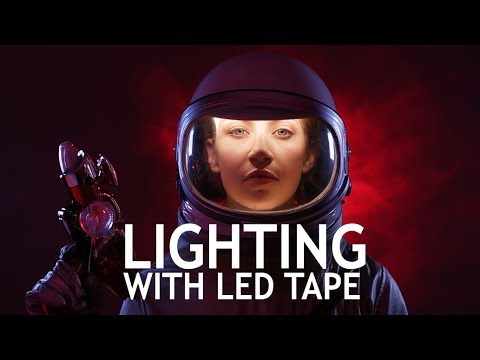
How to Light a Face Inside a Helmet (or Any Impossible Small Space) with LED Tape

How to Light a Face Inside a Helmet (or Any Impossible Small Space) with LED Tape

There is a category of lighting problem that no softbox solves. The subject is enclosed, recessed, or otherwise surrounded by something physical that blocks every conventional source you own. A helmet. A car interior. A product inside a box. A model inside a prop. I have stood in front of setups like these with a $3,000 kit and felt completely helpless because none of it was small enough to get where the light needed to go.