Never Run Out of Juice on Location: Joel Grimes' Battery Pack System for Strobe Shooters

Never Run Out of Juice on Location: Joel Grimes' Battery Pack System for Strobe Shooters

There is one specific kind of dread I know too well: standing on a location shoot, three lights running, no outlet within a hundred yards, and a battery indicator that is not cooperating. I have been doing commercial work long enough to know that power logistics are not glamorous, but they will end your shoot faster than bad light ever will. When I first started doing outdoor work for fashion clients here in Los Angeles, my entire power strategy was “stay close to a building.

One Light Is Enough: How a Single Strobe Can Outwork a Five-Head Setup

One Light Is Enough: How a Single Strobe Can Outwork a Five-Head Setup

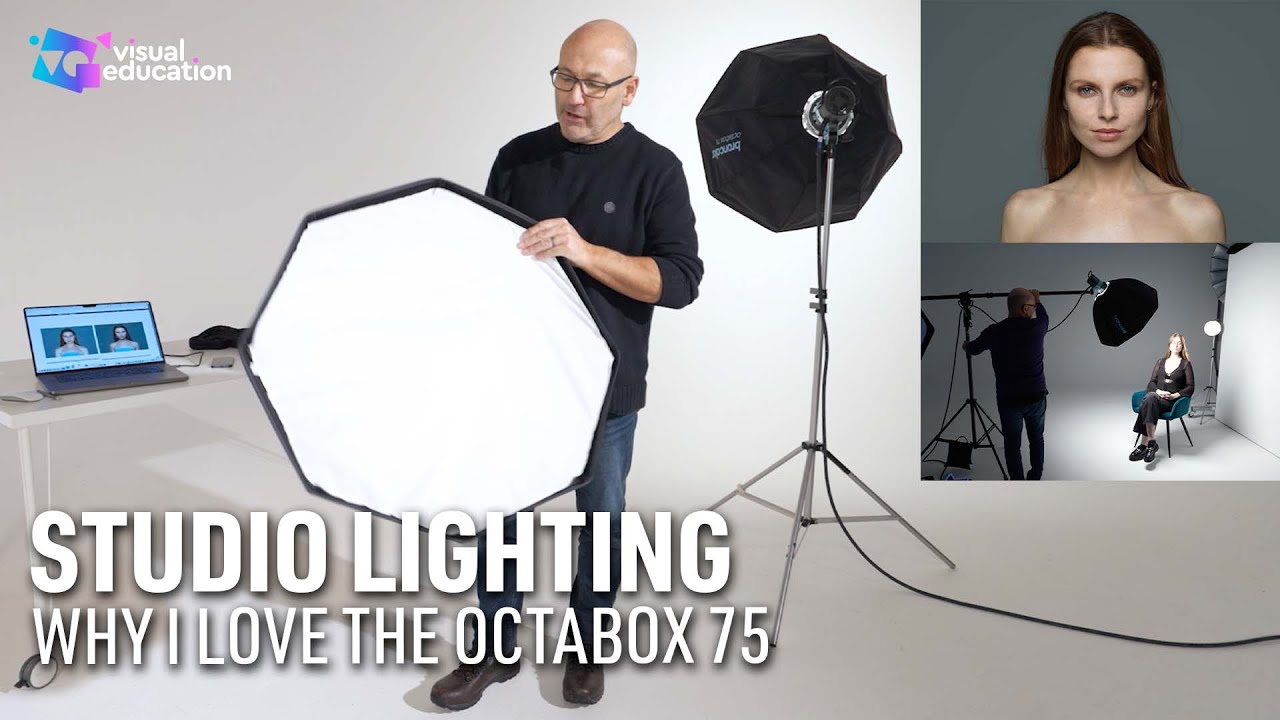
The Overcomplicated Studio Is Usually a Confidence Problem I have a masking tape label on every light in my studio. “Key 1.” “Fill Left.” “Rim A.” When I started out, I thought having more labeled lights meant I was doing more serious work. I was wrong. Some of my best-performing editorial images, pieces that ran in print and got licensed multiple times, came from a single Profoto B10 and a 5-foot Octabox.

It's Gotta Be Right: What a Metal Band's Recording Philosophy Taught Me About Studio Discipline

It's Gotta Be Right: What a Metal Band's Recording Philosophy Taught Me About Studio Discipline

There’s a version of my job where I cut corners and nobody knows. Wrong color temperature, slightly soft focus, a speedlight flagged with gaffer tape instead of a proper grid. Half the time the client would never catch it. I know this because early in my career I did exactly that, and most of those images got approved without comment. The problem wasn’t the client’s eye. The problem was mine. Once I knew what I’d let slide, I couldn’t stop seeing it.

Off-Camera Flash at Weddings: How to Use a Secondary Strobe Without Killing the Mood

Off-Camera Flash at Weddings: How to Use a Secondary Strobe Without Killing the Mood

Wedding receptions are one of the few situations where I genuinely have to fight my studio instincts. My default is control: flagged lights, metered backgrounds, everything taped and labeled. A reception hall gives you none of that. The light is already doing something, the room has a mood, and your job is to work inside it rather than override it. That tension between “enough light to get the shot” and “too much light to keep the feeling” is exactly what this tutorial addresses.

How to Stop Your Strobe from Spinning on a Boom Arm (Joel Grimes' Two-Minute Fix)

How to Stop Your Strobe from Spinning on a Boom Arm (Joel Grimes' Two-Minute Fix)

There is a specific kind of frustration that only studio photographers know: you have your boom arm positioned perfectly over your subject, the modifier is angled exactly where you want it, and then you watch the whole thing slowly rotate south while you’re mid-shoot. The strobe drifts. The softbox tilts. You crank the knob tighter and it still creeps. I have been shooting commercial work in Los Angeles for long enough that I label every piece of gear in my studio with masking tape, and I still spent embarrassingly long dealing with this problem before I found a fix that actually held.

The Five Lighting Patterns Every Portrait Photographer Needs to Know (And When to Break Them)

The Five Lighting Patterns Every Portrait Photographer Needs to Know (And When to Break Them)

Every new assistant who works in my studio goes through the same initiation. I hand them a single bare strobe, a grey seamless, and a subject, and I ask them to show me five different looks without moving the light stand more than three feet. Most of them move the stand anyway. The ones who don’t, who understand that the angle and height of a single source can completely restructure a human face, those are the ones I actually want around.

Small Studio, Strong Light: What Ashleigh Taylor's 300-Square-Foot Space Teaches Every Portrait Photographer

Small Studio, Strong Light: What Ashleigh Taylor's 300-Square-Foot Space Teaches Every Portrait Photographer

Space is the excuse I hear more than any other. Photographers tell me they need a bigger studio before they can do serious portrait work, before they can justify the rent, before they can start building a client base. I spent years believing a version of that myself. My first Los Angeles studio was just over 400 square feet and I treated it like a limitation rather than a constraint worth solving.

How to Light Business Portraits in Tight Office Spaces Using Bounce and Fill

How to Light Business Portraits in Tight Office Spaces Using Bounce and Fill

There is one scenario that comes up constantly in corporate location work and never gets easier: you walk into the meeting room, the client is waiting, and you have roughly the square footage of a large bathroom to produce a portrait that looks like it was shot in a proper studio. I have been in that situation more times than I care to count. My usual instinct used to be to force a softbox into the space and fight the ceiling tiles.

Studio Grip for Minimalists: What Daniel Norton Actually Keeps in His Kit (And What You Can Cut)

Studio Grip for Minimalists: What Daniel Norton Actually Keeps in His Kit (And What You Can Cut)

I spent years accumulating grip. C-stands, baby pins, 40-pound bags of clamps I touched twice a decade. When you work commercially, the instinct is to own every solution before a problem shows up on set. The problem is you end up hauling a rolling warehouse to every job and spending 20 minutes digging for an A-clamp buried under a sand bag. What actually changed my thinking was watching working professionals talk honestly about what lives in their kit versus what sits on a shelf.

Smart Lighting Hubs Failing: What Studio Photographers Need to Know Now

Smart Lighting Hubs Failing: What Studio Photographers Need to Know Now

When Your Lights Go Dark: The Smart Lighting Crisis I’ve always been cautious about integrating smart home technology into my studio workflow. There’s something unsettling about depending on connected devices when you’ve got a paying client in the chair and thirty minutes of natural light left. This week, my concerns proved justified when a major lighting manufacturer’s firmware update essentially turned thousands of smart hubs into expensive paperweights. The company has acknowledged the problem and is offering free replacements for affected units.

What Lenka Jones' Tiny UK Studio Taught Me About Building a Portrait Business That Actually Charges What It's Worth

What Lenka Jones' Tiny UK Studio Taught Me About Building a Portrait Business That Actually Charges What It's Worth

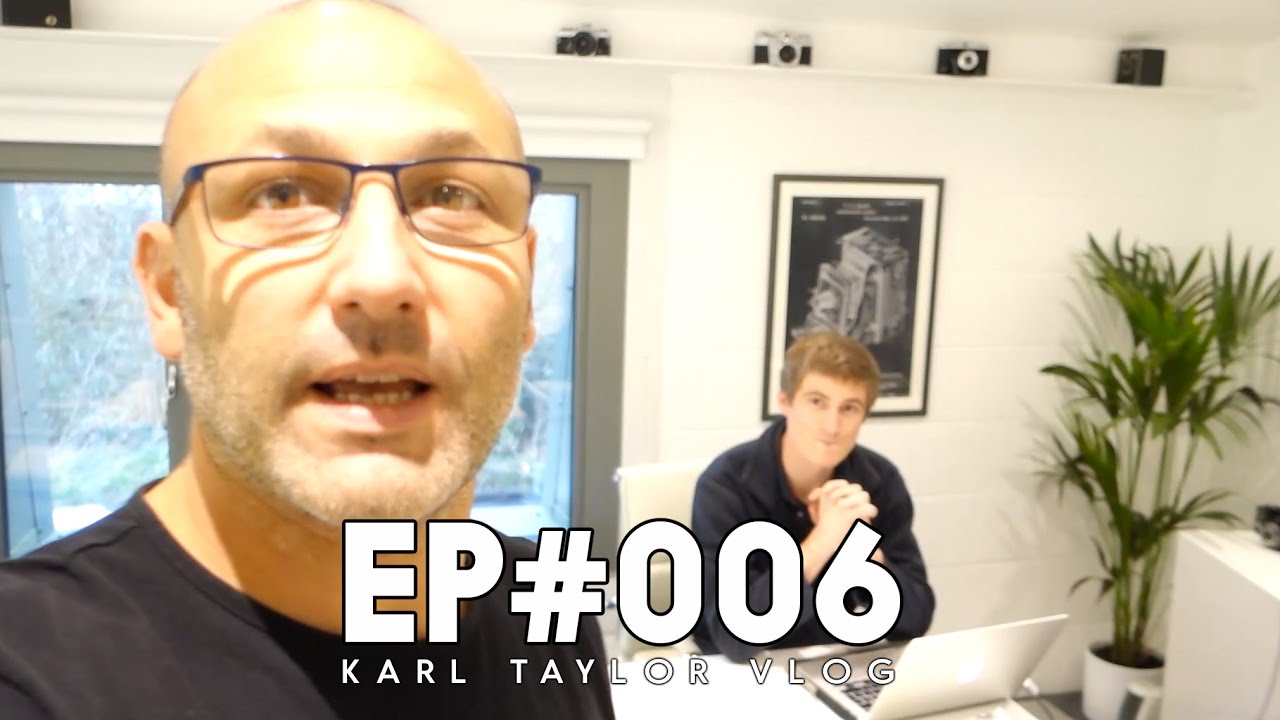
There’s a particular kind of photographer I pay close attention to: the one who built something real in an unlikely place. Not a loft in Manhattan or a converted warehouse in LA, but a wooden hut in a English village surrounded by fields. When I first watched this studio tour from The Portrait System, featuring UK-based portrait photographer Lenka Jones, I wasn’t expecting to come away rethinking how I structure my shooting space and how I talk to clients about money.

How to Photograph Exploding Paint Using Fast Flash: A Studio Breakdown

How to Photograph Exploding Paint Using Fast Flash: A Studio Breakdown

Client inquiries come in waves, and every few years a category of image starts showing up on mood boards constantly. Explosive product shots, the kind where paint or powder or liquid appears to detonate off a surface, have been on those boards for years. Every time I get a brief that gestures at that aesthetic, I go back to basics: how do you actually freeze motion that fast, how do you light something chaotic and reflective, and how do you rig a repeatable trigger mechanism without rigging anything dangerous?