How to Light Still Life with Real Depth: A Breakdown of Daniel Norton's Two-Light Setup

How to Light Still Life with Real Depth: A Breakdown of Daniel Norton's Two-Light Setup

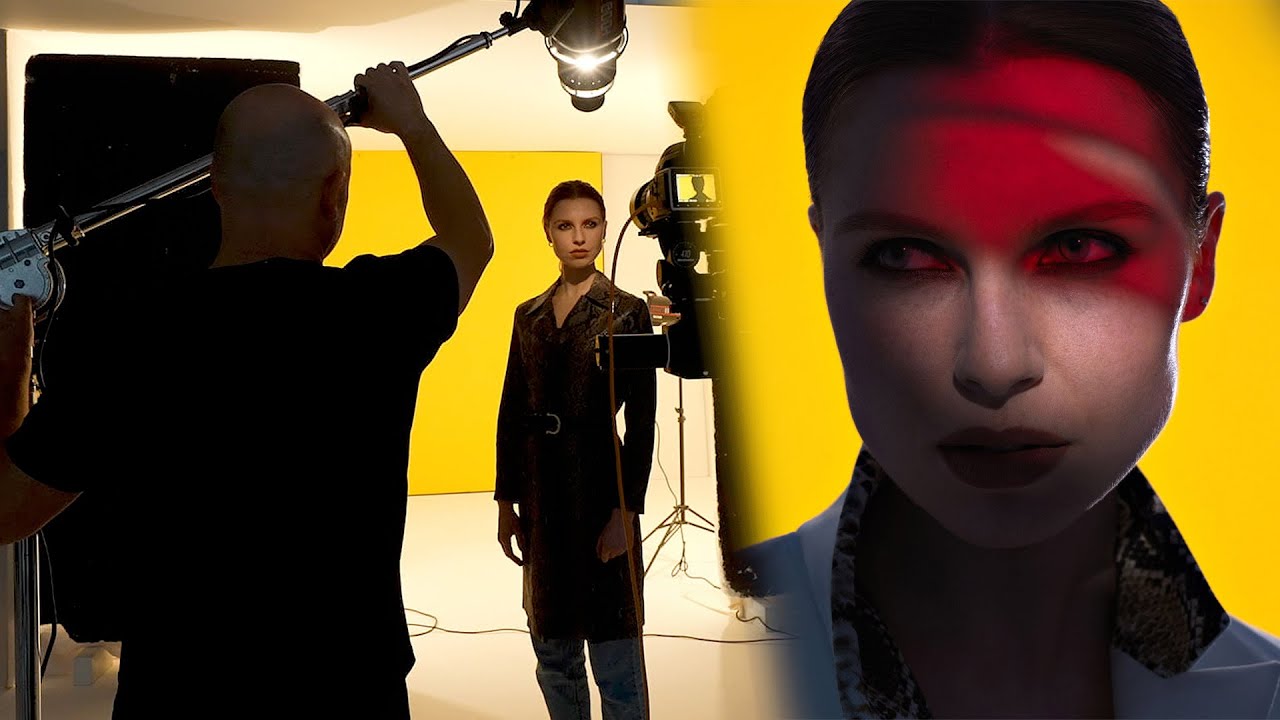
Still life and product work has a reputation for being straightforward. One light, white background, done. And sure, that approach gets the job done for basic e-commerce. But the moment a client wants something that feels tactile, something that makes a viewer want to reach out and pick up the object, flat lighting becomes the enemy. I run into this constantly. A beauty brand will ask for a shot that “pops off the page,” and what they’re really asking for is dimensionality, shadow, a sense that the product exists in physical space rather than floating in a void.

What Bloopers From a Freezing Studio Taught Me About Shooting With Intention

What Bloopers From a Freezing Studio Taught Me About Shooting With Intention

There is a particular kind of education you only get when things go wrong. I have been shooting commercial and editorial work for long enough to know that the polished final tutorial is rarely where the real lessons live. The real lessons live in the moment the camera nearly hits the floor, in the take where someone’s fly was undone the entire time, in the freezing cold studio where nobody thought to book heating.

How Andrew Knowles Built a Studio Worth Copying (And What I Took Notes On)

How Andrew Knowles Built a Studio Worth Copying (And What I Took Notes On)

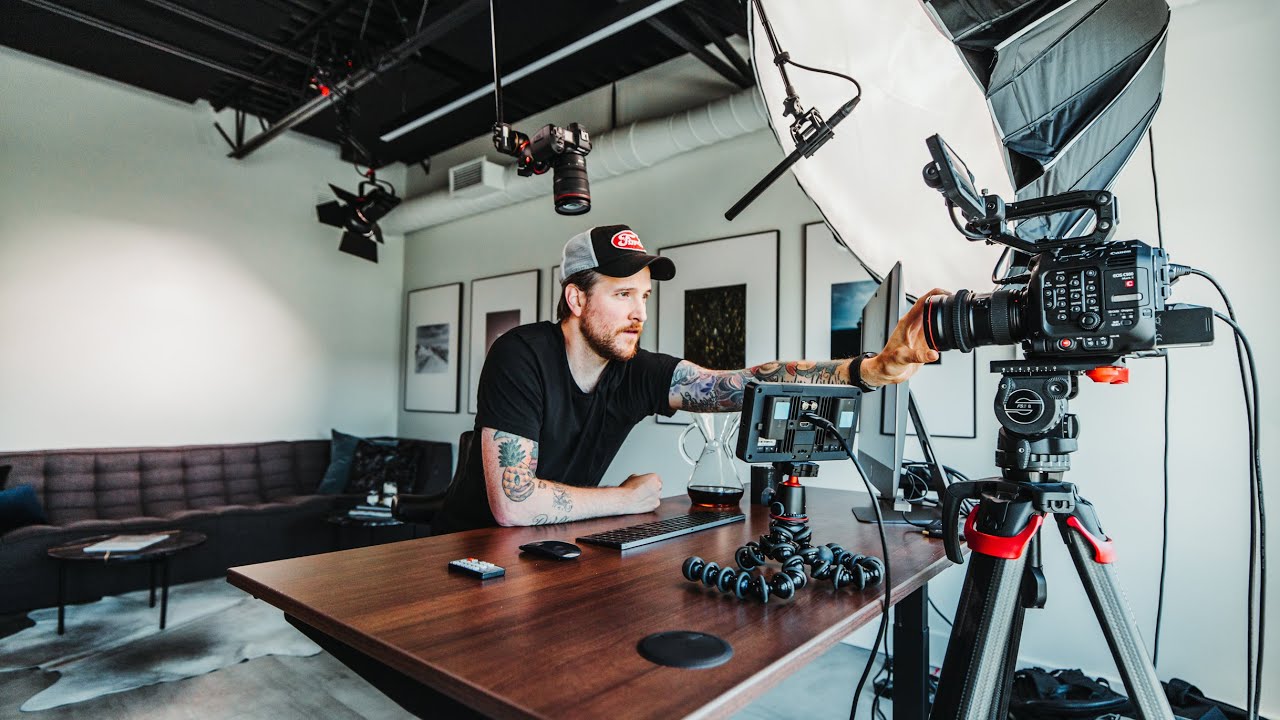
There’s a version of studio envy that’s unproductive. You scroll through someone’s setup, feel bad about your own, and move on. Then there’s the kind that makes you pull out a notebook. Andrew Knowles’ Dallas studio is firmly the second kind. In this Watch the full tutorial on YouTube studio tour from The Portrait System, Sue Bryce walks through the space Knowles built over roughly 18 months after transitioning from a pure outdoor location shooter to a full studio practice.

Fresnels, Pico Heads, and Projection Attachments: The Specialist Studio Lights Worth Understanding

Fresnels, Pico Heads, and Projection Attachments: The Specialist Studio Lights Worth Understanding

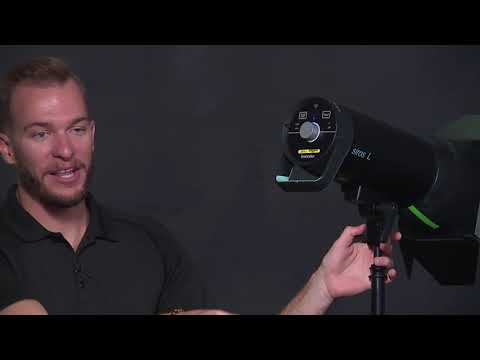
There is a category of studio lighting equipment that most photographers scroll past on gear websites because nothing in their training ever explained what it actually does. Softboxes, octaboxes, standard reflectors with honeycomb grids – those get covered in every introductory course. But fresnels, pico heads, and projection attachments? Those tend to sit in the background of behind-the-scenes photos, looking mysterious and expensive, with no one explaining why a working photographer would choose them over more familiar modifiers.

Flash Photography Fundamentals: What Tony & Chelsea Northrup's New Training Series Gets Right

Flash Photography Fundamentals: What Tony & Chelsea Northrup's New Training Series Gets Right

Every few months I get a message from a photographer who’s serious about their work, shoots constantly, and still hasn’t touched their flash. Not because they don’t own one. Because they’re afraid of it. I understand that fear more than most people would expect from someone who labels every light in his studio with masking tape and sketches setups in a journal after every shoot. I was that photographer once, convinced that good light was something you found, not something you built.

Why Your Softbox Is Lying to You (And What to Use Instead)

Why Your Softbox Is Lying to You (And What to Use Instead)

Every modifier in my studio has a strip of masking tape on it with a label. Not a cute nickname. A descriptor: “36-inch octa,” “5-degree grid,” “48x36 strip.” I started doing this years ago because I got tired of grabbing the wrong tool in the middle of a tethered shoot while a client sat behind my monitor. The labeling habit sounds obsessive until the day it saves you from making a $4,000-an-hour mistake.

The Vanity Fair Two-Light Setup That Reignited My Love for Studio Portraiture

The Vanity Fair Two-Light Setup That Reignited My Love for Studio Portraiture

There’s a specific kind of dread that creeps in when a shoot isn’t working and you can’t diagnose why. The lights are set, the camera is dialed in, the subject is in front of you — and nothing. I’ve been there more than I’d like to admit. Usually the problem isn’t technical. It’s that I’ve stopped thinking about why I’m making the photograph and started just executing a sequence of habits.

From a Spare Room to a Dream Studio: What Kelly Brown's Build-Out Teaches Every Serious Photographer

From a Spare Room to a Dream Studio: What Kelly Brown's Build-Out Teaches Every Serious Photographer

There’s a particular kind of envy I feel when I walk into a studio that someone built entirely on their own terms. Not the petty kind. The motivating kind. I felt it watching this studio tour from The Portrait System, featuring Brisbane-based newborn photographer Kelly Brown of Little Pieces Photography. Watch the full tutorial on YouTube I’ve spent years in rented studios, shooting in spaces designed for someone else’s workflow. The lighting positions were wrong for my preferred setups, the walls were the wrong color, the ceiling height was never quite enough.

Inside a Working Jewelry Studio: What Craft Workflows Teach Us About Purposeful Workspace Design

Inside a Working Jewelry Studio: What Craft Workflows Teach Us About Purposeful Workspace Design

There’s a version of “studio envy” I used to get from flipping through architecture magazines, the kind where everything is pristine, calibrated, and clearly never used. Then there’s the real thing. I keep a lighting journal where I sketch every setup after every shoot, and one habit I’ve built alongside that is studying how other working creatives organize their physical space. Not just photographers. Jewelers, ceramicists, painters. The decisions they make about tool placement, inspiration walls, and workflow stations translate directly into how I think about light placement and shooting order.

Low Key Lighting Is Not About Darkness — It's About Where You Put the Light

Low Key Lighting Is Not About Darkness — It's About Where You Put the Light

The Mistake Most Photographers Make Before They Fire a Single Frame I see it constantly when photographers share their “low key” work in forums and at workshops. They’ve turned off half their lights, dropped their exposure compensation, and ended up with something that looks muddy, flat, and confused. Dark, yes. Low key, no. Low key lighting is not a dimmer switch. It is a deliberate, surgical relationship between one controlled light source and an environment designed to absorb everything that light doesn’t hit.

One Light, Five Modifiers: What Videographers Can Steal From Studio Photography

One Light, Five Modifiers: What Videographers Can Steal From Studio Photography

Every cinematographer I’ve ever talked to has a version of the same complaint: too much gear, not enough control. They’re hauling Fresnels and Source Fours and a Joker to get through a single interview setup, when half the time what they actually need is one well-modified light and the knowledge to shape it. That’s the tension JP Morgan at The Slanted Lens addresses head-on in his tutorial on using a single LED unit with interchangeable modifiers, and it’s worth breaking down for anyone who shoots both stills and video.

Painting With Light in Photoshop: A Studio Photographer's Take on Dramatic Lighting

Painting With Light in Photoshop: A Studio Photographer's Take on Dramatic Lighting

Most of my lighting problems get solved before I ever open Photoshop. I label every head in my studio with masking tape, I keep a lighting journal of every setup I’ve ever shot, and I’ve designed my own diagram app because the ones available never matched how I actually think on set. But even with all that prep, there are times when a client image needs something the strobes couldn’t give it on the day.