How AI Animation Is Reshaping Visual Storytelling—And What Photographers Should Know

How AI Animation Is Reshaping Visual Storytelling—And What Photographers Should Know

The Intersection of Publishing and Digital Animation I’ve been watching the animation landscape shift dramatically over the past few years, and a recent development caught my attention: major publishers are now partnering with AI-driven animation studios to convert their literary properties into digital shows. This trend has significant implications for anyone working in visual media—photographers, lighting designers, and studio professionals included. The partnership between HarperCollins and Toonstar represents something larger than just another book adaptation.
High-Speed Sync Flash: When and Why You Need It

High-Speed Sync Flash: When and Why You Need It

High-Speed Sync (HSS) lets you use flash at shutter speeds faster than your camera’s native sync speed — typically above 1/200s or 1/250s. This seemingly technical feature solves a very practical problem that every outdoor portrait photographer encounters: balancing flash with bright ambient light while maintaining shallow depth of field. The Sync Speed Problem Your camera’s sync speed is the fastest shutter speed at which the entire sensor is exposed simultaneously.

Harlowe's Max Bi-Color LED Monolights: Power Meets Practicality in the Modern Studio

Harlowe's Max Bi-Color LED Monolights: Power Meets Practicality in the Modern Studio

I’ve spent enough time in studios and on location shoots to know that lighting equipment rarely excels at everything. You typically sacrifice power for portability, or wireless convenience for consistent color temperature. So when I heard about Harlowe’s expanded Max Bi-Color LED monolight lineup, I paid attention—because the company seems intent on collapsing those compromises. What’s New Harlowe has introduced several new configurations of their Max monolights, all centered around a 120-watt fixture that’s substantially more powerful than most portable LED solutions currently on the market.

Hard Light vs Soft Light: When to Use Each

Hard Light vs Soft Light: When to Use Each

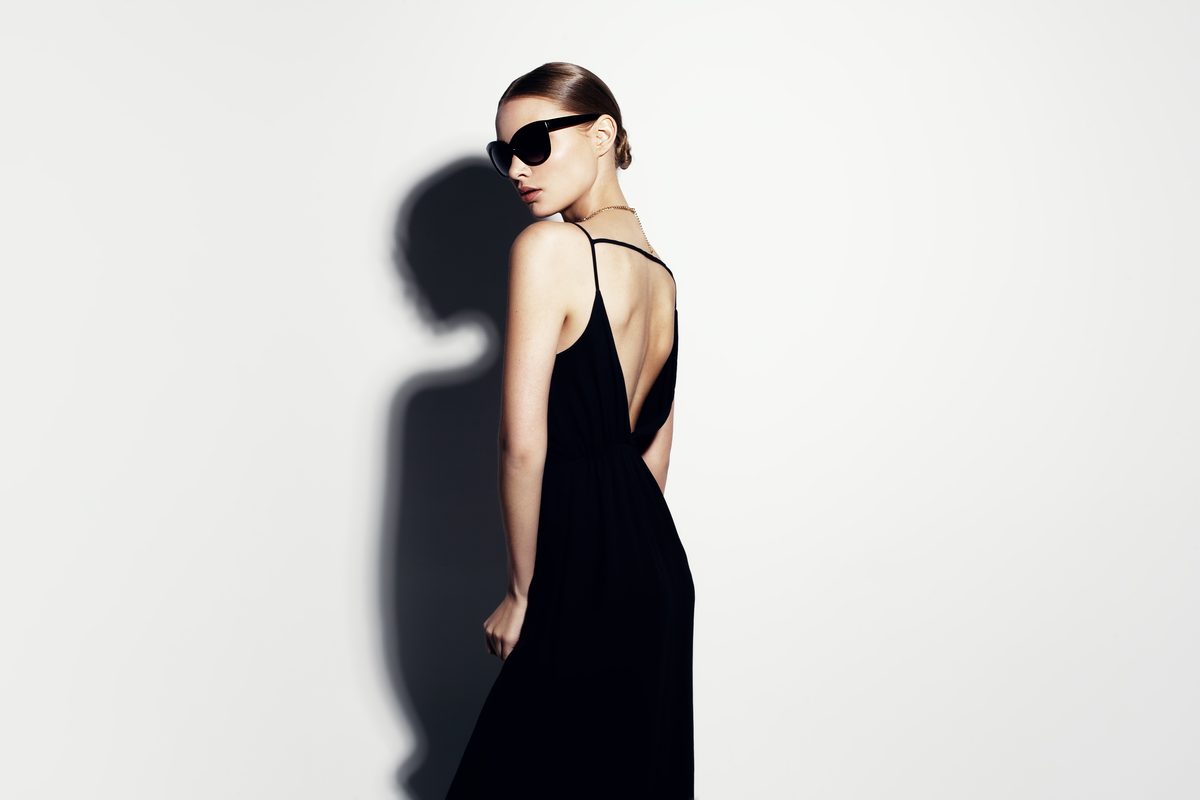
Every light source produces either hard or soft light. This distinction, defined by the character of the shadows it creates, is the single most important concept in photographic lighting. Once you understand what controls it, you can shape light intentionally rather than accepting whatever the equipment happens to produce. Defining the Terms Hard light creates shadows with sharp, clearly defined edges. The transition from light to shadow is abrupt. Texture is emphasized because every surface variation casts its own small, crisp shadow.

Group Lighting: The Recipe for Sharp, Even Exposures Across Multiple Subjects

Group Lighting: The Recipe for Sharp, Even Exposures Across Multiple Subjects

Group Lighting: The Recipe for Sharp, Even Exposures Across Multiple Subjects I’ve lit hundreds of group portraits, and I can tell you this: most photographers fail at group lighting because they treat it like a scaled-up version of single-subject work. It isn’t. The math changes. The angles change. And if you get it wrong, someone always looks like they’re standing in a cave while someone else gets blown out. Let me give you the recipe I use, broken down into actionable steps.

Group Lighting: The Only Setup You Actually Need

Group Lighting: The Only Setup You Actually Need

Group Lighting: The Only Setup You Actually Need I’ve lit hundreds of group portraits, and I can tell you with certainty: most photographers overcomplicate this. They add lights like they’re seasoning a dish without tasting it first. The result is muddy, unflattering light that makes everyone look tired. The truth is simpler. You need three lights. Not five. Not seven. Three. The Core Formula: Key, Fill, Separation I treat group lighting like a recipe because it is one.

Group Lighting: The Four-Light System That Works Every Time

Group Lighting: The Four-Light System That Works Every Time

Group Lighting: The Four-Light System That Works Every Time I’ve lit hundreds of group portraits, and I can tell you this: most photographers overcomplicate it. They chase trendy modifiers, obsess over brand names, and abandon their setup the moment something feels “off.” Then they blame the lighting. I don’t work that way. I use the same four-light system for nearly every group shoot, from five people to twenty. It’s not sexy.

Godox's New $189 LED Monolight Changes the Game for Budget-Conscious Studios

Godox's New $189 LED Monolight Changes the Game for Budget-Conscious Studios

I’ve watched the budget lighting market evolve considerably over the past five years, and I’m genuinely impressed by what Godox has accomplished with their new Litemons LE200D. At $189, this 220W LED monolight represents a genuine inflection point in what’s possible for photographers and video creators working with limited budgets. The 220W Sweet Spot Let me be direct: 220W of output is the right amount of power for most small studio work.

Godox TT600 vs Neewer 660 LED — Choosing Your First Studio Light

Godox TT600 vs Neewer 660 LED — Choosing Your First Studio Light

Godox TT600 vs Neewer 660 LED — Choosing Your First Studio Light I’ve spent the last eight years recommending lighting gear to photographers stepping into studio work, and I can tell you with certainty: the first light you buy shouldn’t be your dream light. It should be your learning light. That’s where budget options like the Godox TT600 Speedlite Flash and the Neewer 660 LED Video Light 2-Pack Kit come in.

Game Collections as Visual Storytelling: What BOXROOM Teaches Us About Displaying Personal Collections

Game Collections as Visual Storytelling: What BOXROOM Teaches Us About Displaying Personal Collections

The Art of Showcasing What Matters to You I’ve spent years teaching photographers how to light and compose product shots, and I’ve noticed something consistent: the best images tell a story about the person behind the collection. A new digital tool called BOXROOM has me thinking differently about how we approach display photography. At its core, BOXROOM is a building simulator where users construct personalized rooms specifically designed to house their Steam game libraries.

Flash Photography: The Recipe for Consistent Studio Lighting

Flash Photography: The Recipe for Consistent Studio Lighting

Flash Photography: The Recipe for Consistent Studio Lighting I’ve watched too many photographers treat flash like an afterthought—a last resort when natural light fails. That’s backwards. Flash is the most controllable light source available, and when you understand it properly, you’ll produce more consistent results than you ever will chasing window light. Understanding Flash Fundamentals Flash photography works like a precise recipe: get one ingredient wrong, and the entire dish suffers.

Flash Photography: Stop Apologizing and Start Mastering Your Speedlight

Flash Photography: Stop Apologizing and Start Mastering Your Speedlight

I’m tired of hearing photographers apologize for using flash. “I wish I had natural light,” they say, as if flash is some kind of failure. It isn’t. Flash is a tool that, when used correctly, gives you absolute control over your subject’s appearance. Most people just use it wrong. The problem isn’t flash itself—it’s that photographers treat it like an afterthought. They slap a speedlight on their camera’s hot shoe, aim it forward, and wonder why their subjects look washed out and one-dimensional.