Low Key Lighting: The Master's Guide to Shadow and Control

Low Key Lighting: The Master's Guide to Shadow and Control

Low Key Lighting: The Master’s Guide to Shadow and Control Low key lighting isn’t moody for mood’s sake—it’s a disciplined approach to controlling what your viewer sees and, more importantly, what they don’t. I’ve spent twenty years refining this technique, and I’m going to give you the exact framework I use on every low key shoot. What Low Key Actually Means Let me be direct: low key doesn’t mean dark. It means a ratio between highlights and shadows of at least 4:1, typically ranging to 8:1 or higher.
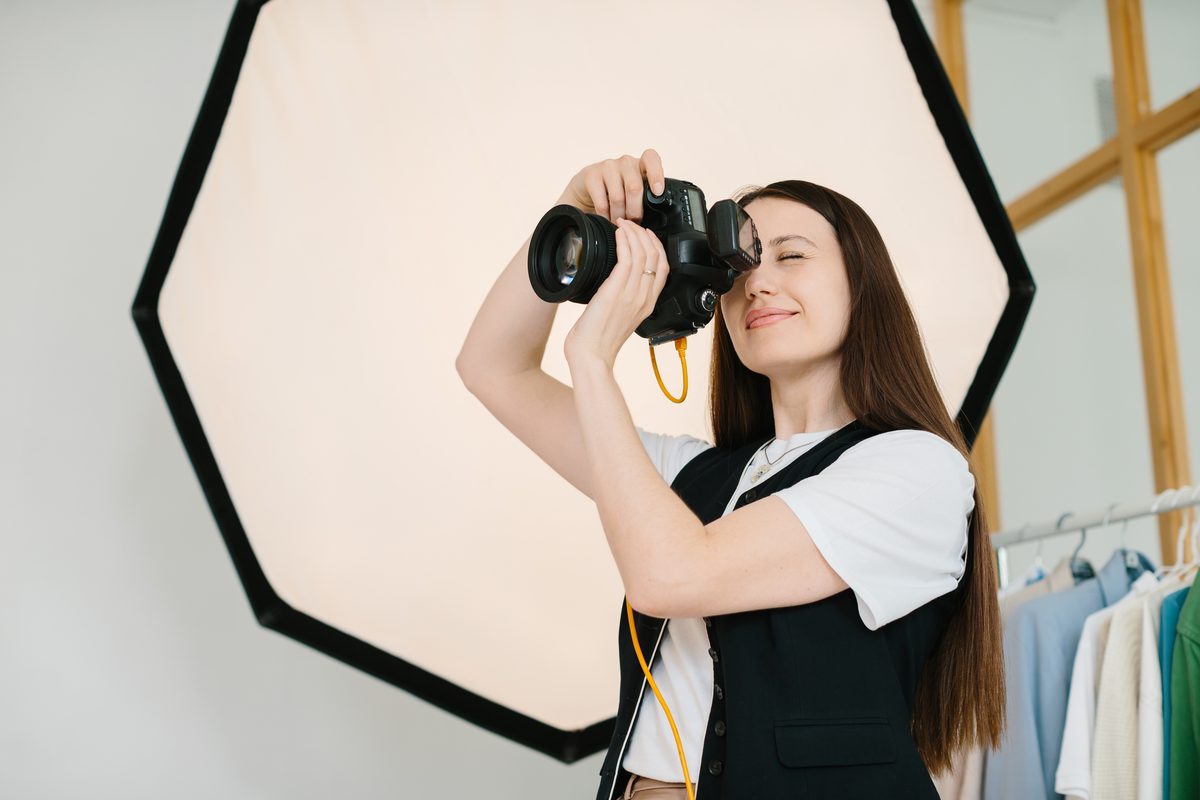
Low Key Lighting: The Discipline That Separates Professionals From Amateurs

Low Key Lighting: The Discipline That Separates Professionals From Amateurs

Low Key Lighting: The Discipline That Separates Professionals From Amateurs Low key lighting isn’t a trend or an aesthetic preference—it’s a deliberate technical choice that demands precision, restraint, and a clear understanding of contrast ratios. After twenty years of working in studios and on location, I’ve found that photographers who master low key lighting develop a fundamental control over their craft that serves every other technique they’ll ever learn. What Low Key Actually Means Let’s be direct: low key doesn’t simply mean “dark.

Low Key Lighting: The Discipline That Separates Competent Photographers From Masters

Low Key Lighting: The Discipline That Separates Competent Photographers From Masters

I’ve spent twenty years in studios lit by everything from tungsten to strobes, and I can tell you this: low key lighting is the discipline that exposes your technical weaknesses faster than any other setup. It demands precision where other styles forgive sloppiness. This is exactly why you should master it. Low key lighting isn’t about making things dark. That’s a dangerous misconception. It’s about controlling the ratio between your key light and fill, creating deliberate shadows that sculpt the subject rather than illuminate it equally.

Low Key Lighting: The Discipline of Shadows

Low Key Lighting: The Discipline of Shadows

Low Key Lighting: The Discipline of Shadows Low key lighting isn’t moody for mood’s sake. It’s a deliberate, methodical approach to revealing form through contrast. I’ve spent years refining it, and I’m convinced it separates amateurs from professionals faster than any other technique. When executed properly, low key work demands precision—in positioning, in metering, in every decision you make. Understanding Low Key: Definition and Intent Low key means exactly what it says: the key light is low in output relative to your exposure.

How to Light Groups: From Two People to Twenty

How to Light Groups: From Two People to Twenty

Group lighting is fundamentally different from individual portrait lighting. With one person, you sculpt light across a single face. With groups, you need even illumination across every face while maintaining enough contrast to keep the image from looking flat. The larger the group, the bigger the challenge. The Core Problem Portrait lighting typically uses a key light positioned to one side of the subject, creating a bright side and a shadow side.

Lighting Glasses: How to Avoid Glare and Reflections

Lighting Glasses: How to Avoid Glare and Reflections

Glasses are a portrait photographer’s recurring challenge. Those curved glass surfaces act as mirrors, reflecting your lights, your softbox shape, and sometimes your entire studio back at the camera. Every solution involves either preventing the reflection from forming, redirecting it away from the camera, or positioning the lights so the reflection falls outside the lens area. Why Glasses Create Reflections Glass reflects light at the same angle it receives it — the angle of incidence equals the angle of reflection.

Light Modifiers: The Essential Tools That Make or Break Your Studio Lighting

Light Modifiers: The Essential Tools That Make or Break Your Studio Lighting

Light Modifiers: The Essential Tools That Make or Break Your Studio Lighting I’ve spent fifteen years refining my lighting setup, and I can tell you with certainty: your light source matters far less than what you put in front of it. A modest 400W strobe becomes a professional tool the moment you add the right modifier. Without one, you’re just throwing raw light at your subject and hoping for results.

Light Modifiers: The Essential Grammar of Studio Lighting

Light Modifiers: The Essential Grammar of Studio Lighting

Light Modifiers: The Essential Grammar of Studio Lighting I’ve watched photographers spend thousands on strobes, then wonder why their light looks harsh and unflattering. The problem isn’t the flash—it’s that they’re using the wrong modifier, or worse, none at all. A light modifier is as fundamental to photography as grammar is to writing. Get it wrong, and even your best composition falls apart. After twenty years in studio work, I’ve learned that modifiers aren’t optional accessories.

Light Modifiers Explained: Softboxes, Umbrellas, and Beauty Dishes

Light Modifiers Explained: Softboxes, Umbrellas, and Beauty Dishes

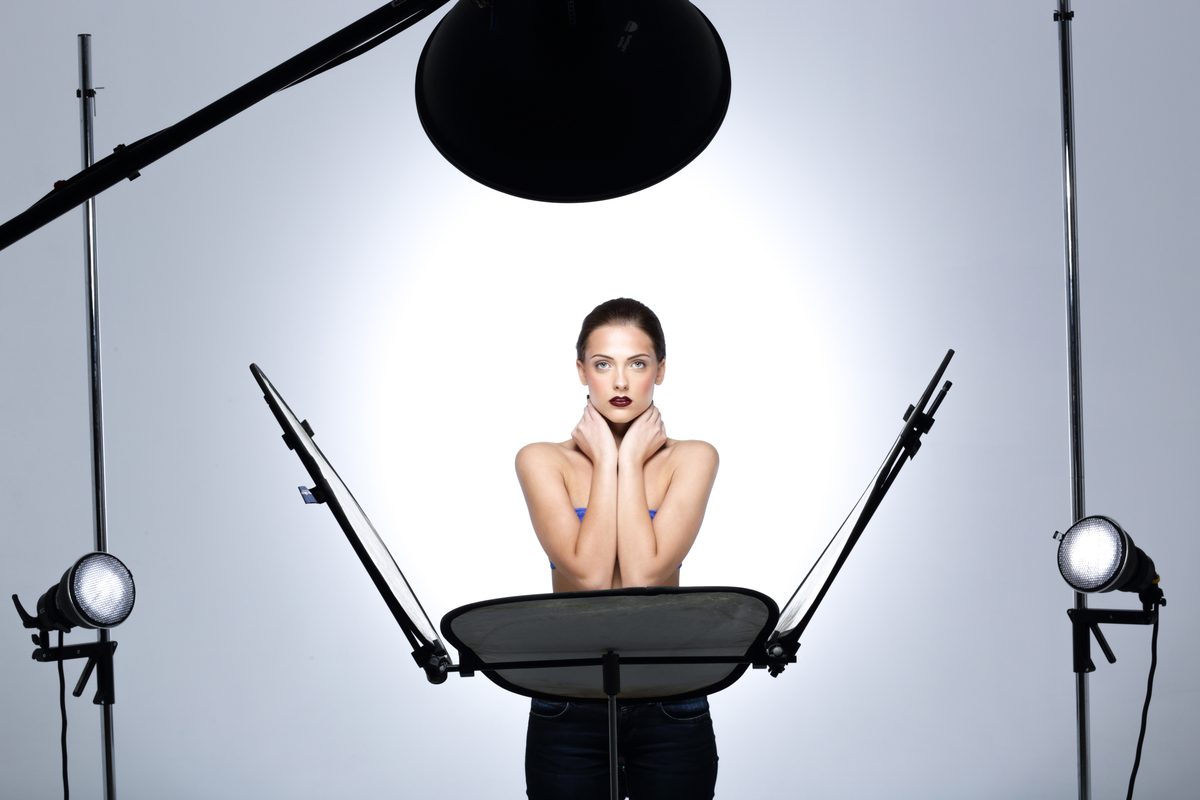
A bare flash produces a small, intense point of light. Modifiers reshape that light before it reaches your subject, changing its size, direction, quality, and spread. Choosing the right modifier is one of the most consequential decisions you make in a studio setup. Softboxes A softbox is an enclosed box with reflective interior walls and a translucent front panel. Light bounces inside the box before passing through the diffusion material, producing even, controlled illumination.

How to Use a Reflector for Natural Light Portraits

How to Use a Reflector for Natural Light Portraits

A reflector is the simplest and most cost-effective lighting tool you can own. It adds no new light to a scene. Instead, it redirects existing light, filling shadows, adding catch lights, and shaping the illumination on your subject. For natural light portrait photographers, a reflector often makes the difference between a flat snapshot and a polished portrait. How Reflectors Work When light hits a reflective surface, it bounces back. The angle of incidence equals the angle of reflection.

How to Update Your FJ-T1 Trigger Firmware: A Step-by-Step Guide

How to Update Your FJ-T1 Trigger Firmware: A Step-by-Step Guide

I keep my studio dialed in the same way I keep my lighting diagrams: nothing gets left to chance. Every strobe is labeled with masking tape. Every modifier gets tested the day it arrives. So when I started noticing inconsistent communication between my FJ-T1 trigger and my strobes during a recent beauty shoot, my first instinct was not to blame the lights. It was to ask whether my trigger’s firmware was current.

How Game Studios Are Mastering Character Lighting: Lessons From Darwin's Paradox

How Game Studios Are Mastering Character Lighting: Lessons From Darwin's Paradox

The Octopus That Changed My Perspective on Character Lighting I’ve spent years analyzing how light shapes a subject’s presence in front of the camera. Recently, I discovered that game developers are solving the same problems we face in traditional photography—just with different tools. ZDT Studio’s upcoming platformer, Darwin’s Paradox, offers surprising lessons about sculpting character presence through intelligent lighting design. Understanding Form Through Translucency What fascinated me most about this project is how the creative team approached lighting an octopus protagonist.