What a $20 Billion App Studio IPO Means for Creative Professionals

What a $20 Billion App Studio IPO Means for Creative Professionals

I’ve been watching the creative software landscape shift dramatically over the past few years, and the latest development deserves our attention. Bending Spoons, the Milan-based technology studio behind several applications photographers and videographers rely on—including Vimeo, WeTransfer, and various video editing platforms—has officially filed for an IPO with valuations floating around $20 billion. What This Means for Your Creative Arsenal When I first started building my studio workflow, I picked tools based on pure functionality.
Compact Flash Systems and Studio Storage: What Photographers Need to Know Right Now

Compact Flash Systems and Studio Storage: What Photographers Need to Know Right Now

The Rise of Compact Flash Systems The photography equipment landscape continues to evolve, and I’ve been paying close attention to the newest compact flash options hitting the market. These miniaturized systems represent a genuine shift in how we approach portable lighting—particularly relevant for those of us who work between studio and location settings. What strikes me most about current mini flash developments is their potential to democratize sophisticated lighting setups. Where we once needed substantial equipment cases and power supplies, photographers can now achieve comparable results with significantly less bulk.

One Desk Lamp, One Subject, Zero Excuses: What Project 3 Taught Me About Lighting Control

One Desk Lamp, One Subject, Zero Excuses: What Project 3 Taught Me About Lighting Control

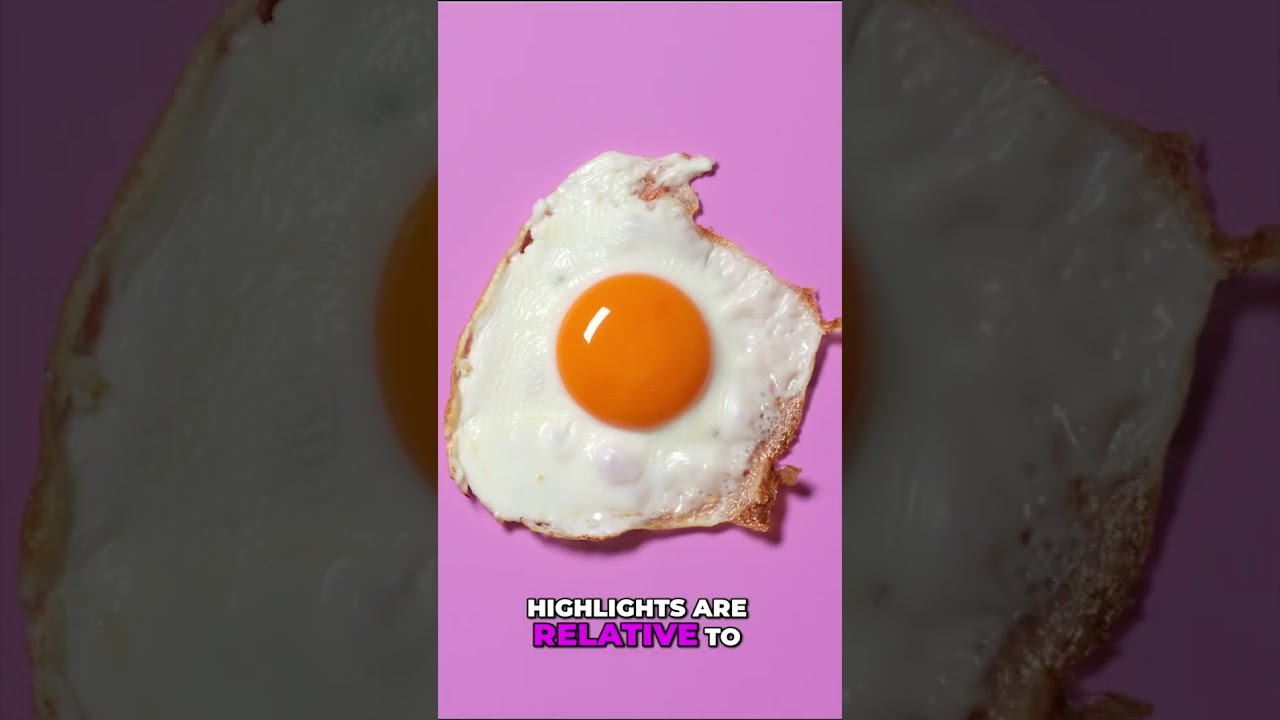
There’s a specific problem that comes up constantly in commercial food and product work: shiny surfaces that either blow out completely or go flat and lifeless depending on where you put your light. I’ve burned through more test shots than I care to count trying to dial in the relationship between a glossy surface and the matte areas surrounding it. Too much light and you lose the specular highlight that tells the viewer “this is wet, this is fresh.

How Apple Crumble's Creepy-Cute Aesthetic Teaches Us About Mood Lighting in Narrative Games

How Apple Crumble's Creepy-Cute Aesthetic Teaches Us About Mood Lighting in Narrative Games

A Studio Lesson Hiding in Plain Sight I stumbled onto something fascinating while researching upcoming indie games: Happy Broccoli’s new mystery adventure, Apple Crumble, demonstrates lighting principles that every studio photographer should understand. The team has crafted what they’re calling a “creepy-cute” experience—and the visual language they’re using is pure lighting mastery. The Balance Between Warmth and Unease What caught my attention immediately is how the game’s aesthetic mirrors the fundamental challenge we face in portrait studios: balancing comfort with intrigue.

The Harlowe Pocket Flash Changes the Game for Portable Studio Lighting

The Harlowe Pocket Flash Changes the Game for Portable Studio Lighting

A Fresh Approach to Compact Flash Design I’ve been watching the compact flash market closely over the past year, and I have to admit I’m intrigued by what Harlowe has just announced. Their new Pocket Flash represents something I haven’t seen before in this category: a serious attempt to merge flash and continuous lighting into a single, genuinely portable unit without sacrificing either function. At $149, it’s positioned firmly in the premium tier of compact flashes.

The IM30Pro Changes the Game for Affordable On-Camera Flash

The IM30Pro Changes the Game for Affordable On-Camera Flash

I’ve spent enough time wrestling with aging flash units and unreliable external batteries to appreciate when a manufacturer gets the fundamentals right. Godox just did exactly that with their IM30Pro, and I think it deserves serious consideration from photographers who refuse to compromise between cost and functionality. The Bounce Head Changes Everything Let’s be direct: the ability to bounce light separates professional-looking flash work from flat, harsh on-camera snapshots. This compact unit now includes a tilting bounce head, which fundamentally alters what you can accomplish in real-world shooting conditions.

Why I Stopped Editing With Just a Keyboard and Mouse (And What I Use Instead)

Why I Stopped Editing With Just a Keyboard and Mouse (And What I Use Instead)

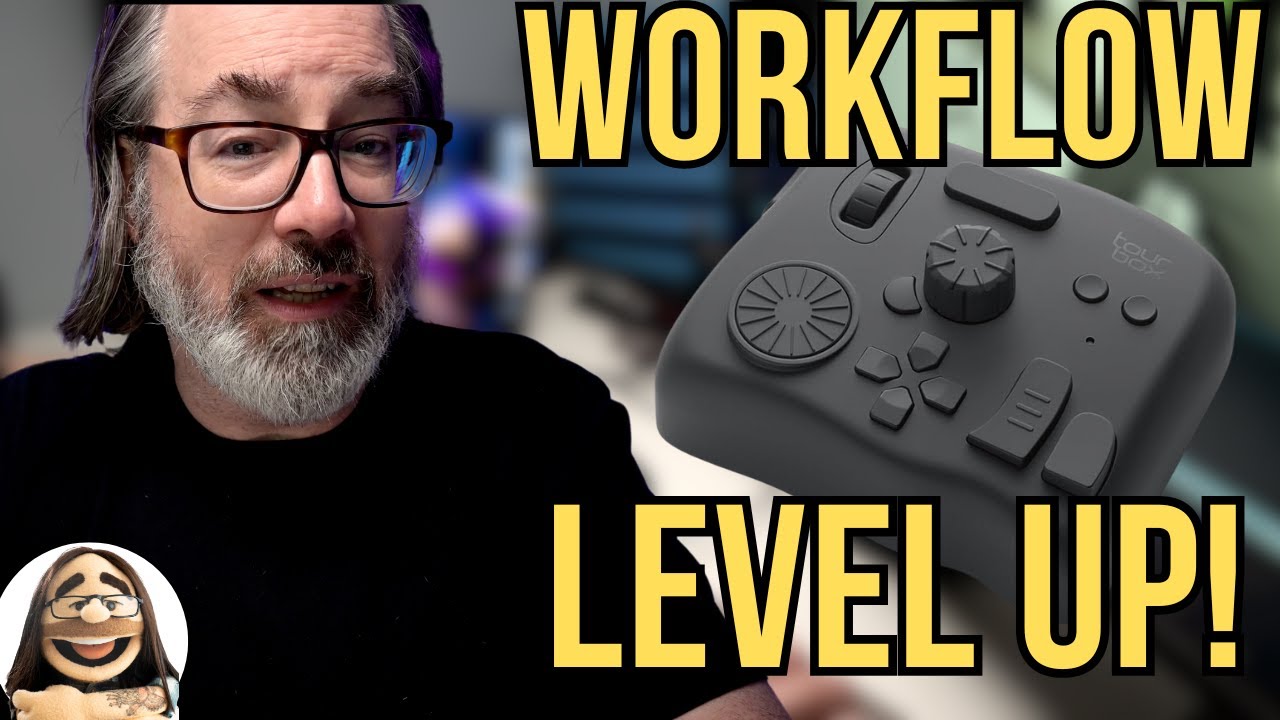
I am not an early adopter. Every modifier that arrives at my studio gets tested the same day, yes, but software and hardware controllers? I let other people be the guinea pigs. I have a system that works, built over years of commercial and editorial shooting, and the last thing I want during a deadline crunch is to relearn muscle memory. So when I came across this Watch the full tutorial on YouTube from Daniel Norton Photographer, I almost scrolled past it.

Rim Lighting Done Right: The Setup That Separates Flat Studio Shots from Images That Actually Sell

Rim Lighting Done Right: The Setup That Separates Flat Studio Shots from Images That Actually Sell

I pulled a tear-out from a magazine once, a full-page beauty editorial, and spent about forty minutes staring at the catchlights and shadow edges trying to reverse-engineer the setup. Two rim lights, one key, a reflector below the chin. I sketched it in my lighting journal, taped it to the wall, and built it. The first test frame looked almost identical to the tear-out. That was the day I understood that rim lighting is not a creative accident.

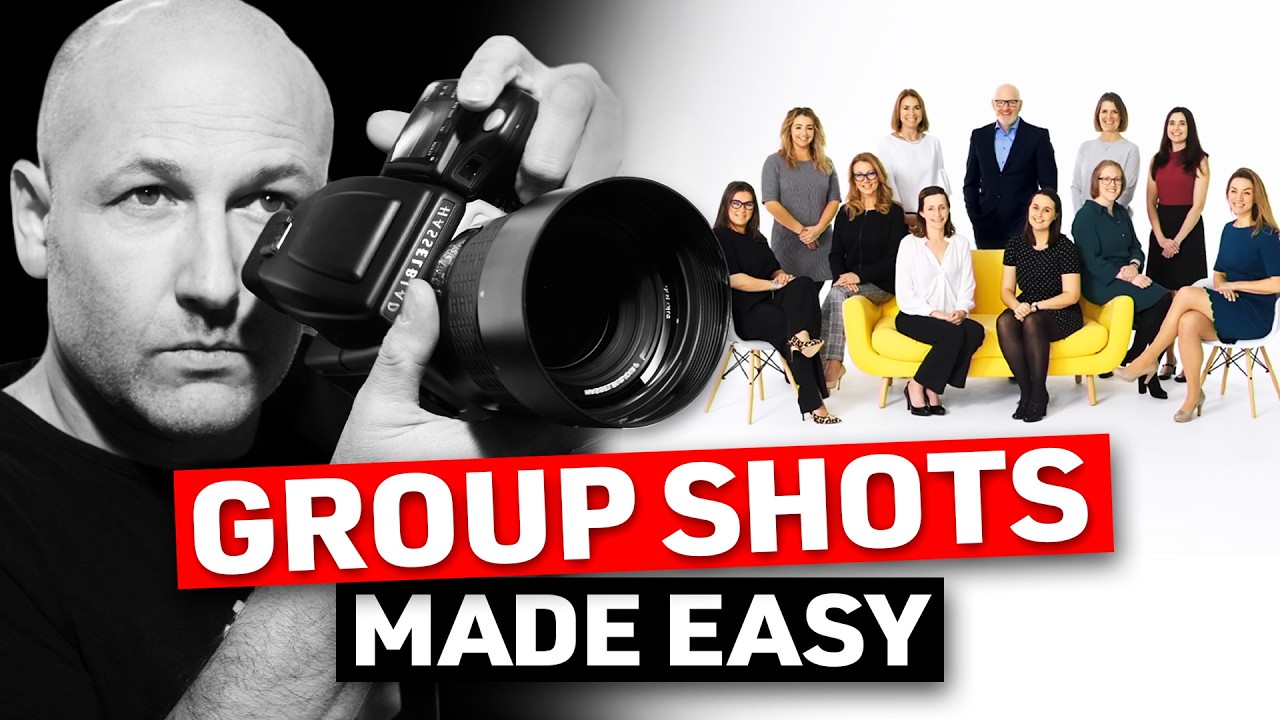
Why Your Group Shots Look Wrong — And the Physics That Fixes Them

Why Your Group Shots Look Wrong — And the Physics That Fixes Them

Group shots are the shoot I see photographers quietly dread more than any other. Clients assume they’re simpler than individual portraits. Less fuss, fewer variables. In reality they concentrate every technical problem into one frame: competing shadows, lens distortion, uneven exposure across multiple faces, and the uncomfortable social geometry of arranging people who don’t quite know where to stand. I’ve sketched the lighting setups from hundreds of shoots in my journal over the years, and group portraits fill more pages with crossed-out diagrams than anything else.

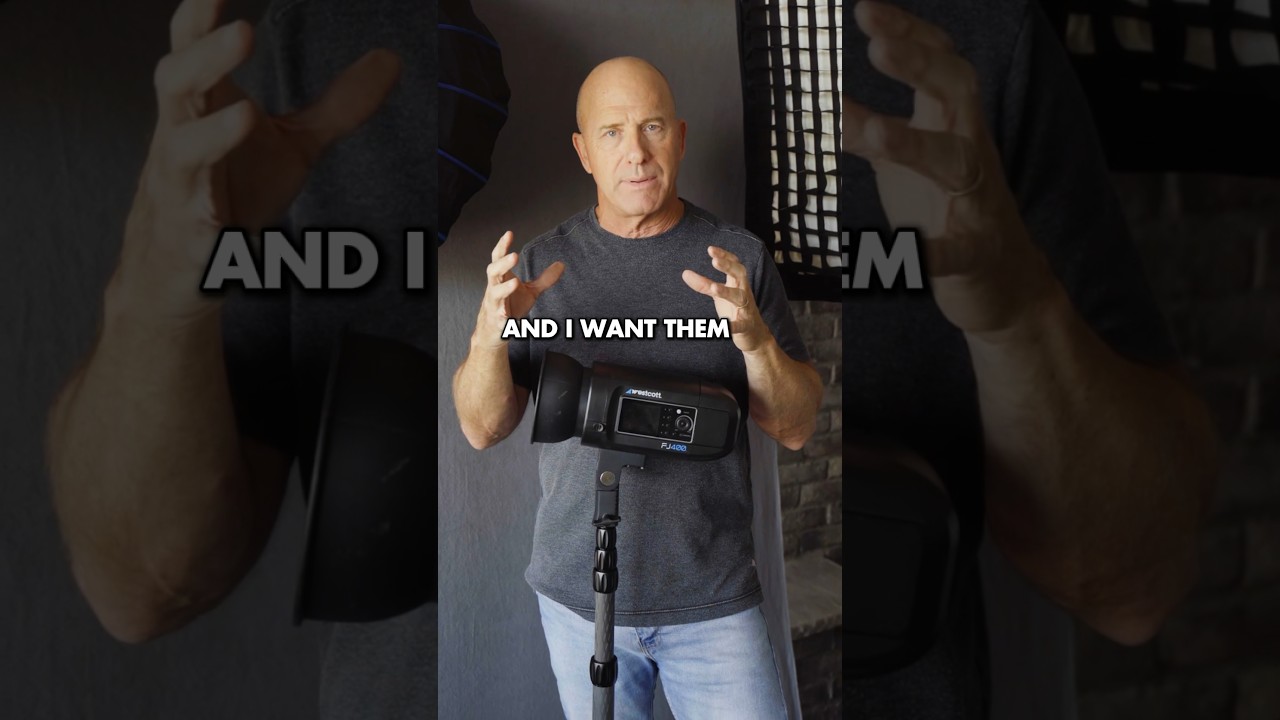
How Joel Grimes Builds a Strobe System That Actually Works in a Working Studio

How Joel Grimes Builds a Strobe System That Actually Works in a Working Studio

Client calls on a Tuesday. Shoot is Friday. Location is a rooftop in downtown Los Angeles, full midday sun, and they want dramatic, clean portraits with a shallow depth of field. That’s the exact situation where a weak or poorly chosen strobe system stops being an inconvenience and starts costing you the job. I’ve been burned before by gear that looked fine in the studio and fell apart the moment I took it outside, and it taught me to treat strobe selection like I treat any other part of my workflow: with a clear, repeatable checklist.

The Science of Authentic Smiles: Why Say Cheese Fails in the Studio

The Science of Authentic Smiles: Why Say Cheese Fails in the Studio

The Science of Authentic Smiles: Why “Say Cheese” Fails in the Studio I’ve watched hundreds of photographers default to the same tired direction: “Say cheese!” Then I watch their clients deliver exactly what you’d expect—a tight, uncomfortable grimace that screams artifice. It’s a studio epidemic, and frankly, it needs to stop. The problem isn’t subtle. When you ask someone to say a word with a hard “ch” sound, you’re actually triggering the wrong facial muscles.

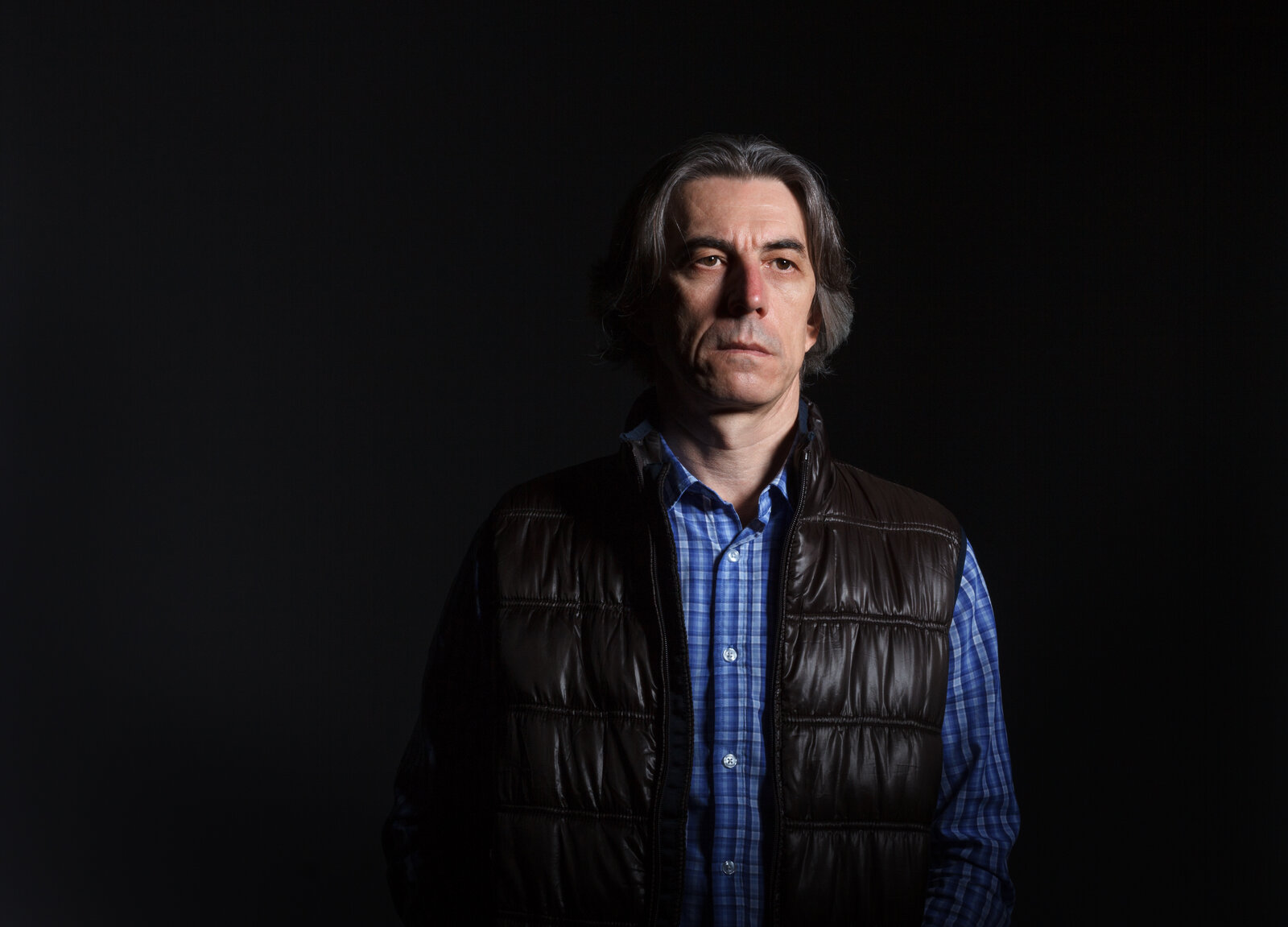
Low Key Lighting Is Not Just Turn Off Some Lights — Here's What It Actually Takes

Low Key Lighting Is Not Just Turn Off Some Lights — Here's What It Actually Takes

The Setup That Taught Me Darkness Has to Be Engineered A few years back I had a beauty client who came in with a tear sheet. Dark background, dramatic shadow, the subject’s face carved out of almost pure black. She said she wanted that look. I thought I could wing it. I pulled my key light around to about 45 degrees, killed my fill, and figured the black backdrop would do the rest.