Reading Light: How to Identify and Build Classic Studio Lighting Patterns From Scratch

Reading Light: How to Identify and Build Classic Studio Lighting Patterns From Scratch

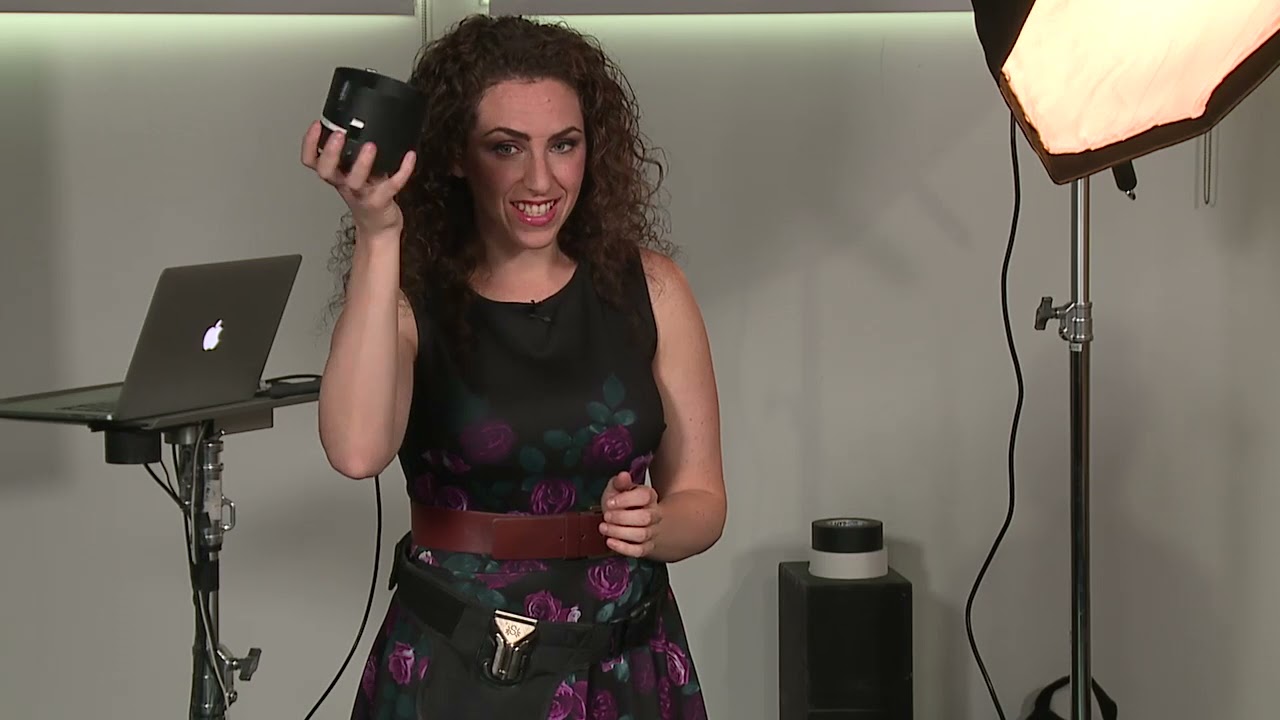
Every time I take on a new editorial client, I pull out my phone and open the lighting diagram app I built myself. Before a single strobe fires, I want a plan. But that habit only developed because I spent years doing the opposite — guessing, adjusting, guessing again — and occasionally ruining shots because I couldn’t read what the light was actually doing. The skill I was missing wasn’t gear knowledge.
Three Lights, Two Gels, One Killer Fashion Frame: Breaking Down Aaron Nace's High-Fashion Vault Shoot

Three Lights, Two Gels, One Killer Fashion Frame: Breaking Down Aaron Nace's High-Fashion Vault Shoot

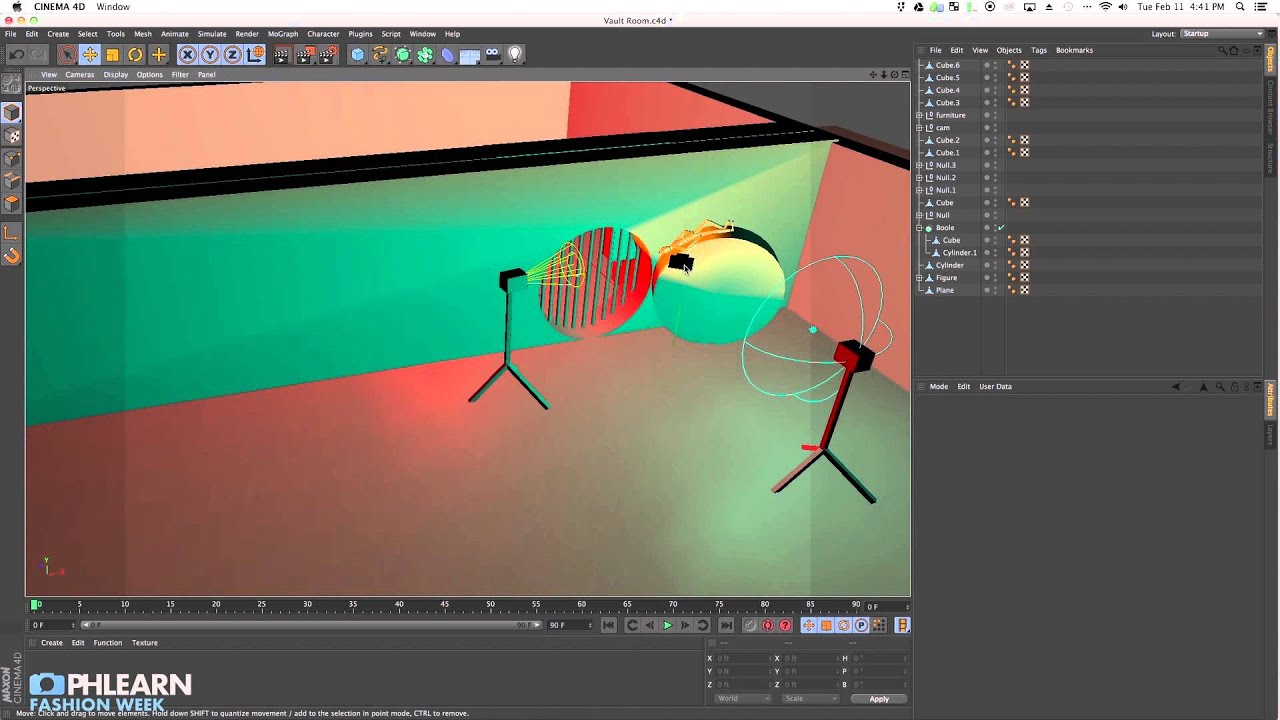
Every few months I pull out my lighting journal and flip back through old setups. Some of them make me cringe. Some of them remind me that the best lighting problems get solved before the model ever walks onto the set. The high-fashion vault shoot that Aaron Nace (PHLEARN) breaks down in his tutorial sits firmly in the second category. It’s a tight, purposeful lighting plan built around a location’s existing character, and watching it laid out step by step answered a question I’ve wrestled with on editorial jobs for years: how do you introduce color into a shot without making the skin look like a Halloween costume?

Pro Product Photography in Tight Spaces: What Karl Taylor's Budget Shoot Actually Teaches You

Pro Product Photography in Tight Spaces: What Karl Taylor's Budget Shoot Actually Teaches You

I shoot commercial work out of a studio in Los Angeles that I’ve spent years optimizing. The right modifiers, the right power packs, enough ceiling height to do almost anything. And yet some of my most technically instructive moments have come from watching experienced photographers deliberately strip all of that away. There’s a specific kind of clarity that comes from constraints, and it’s something I try to remind myself of every time a client assumes that the quality of the final image scales directly with the size of the equipment rental invoice.

The Laser Trick That Changed How I Position Lights for Reflective Product Shots

The Laser Trick That Changed How I Position Lights for Reflective Product Shots

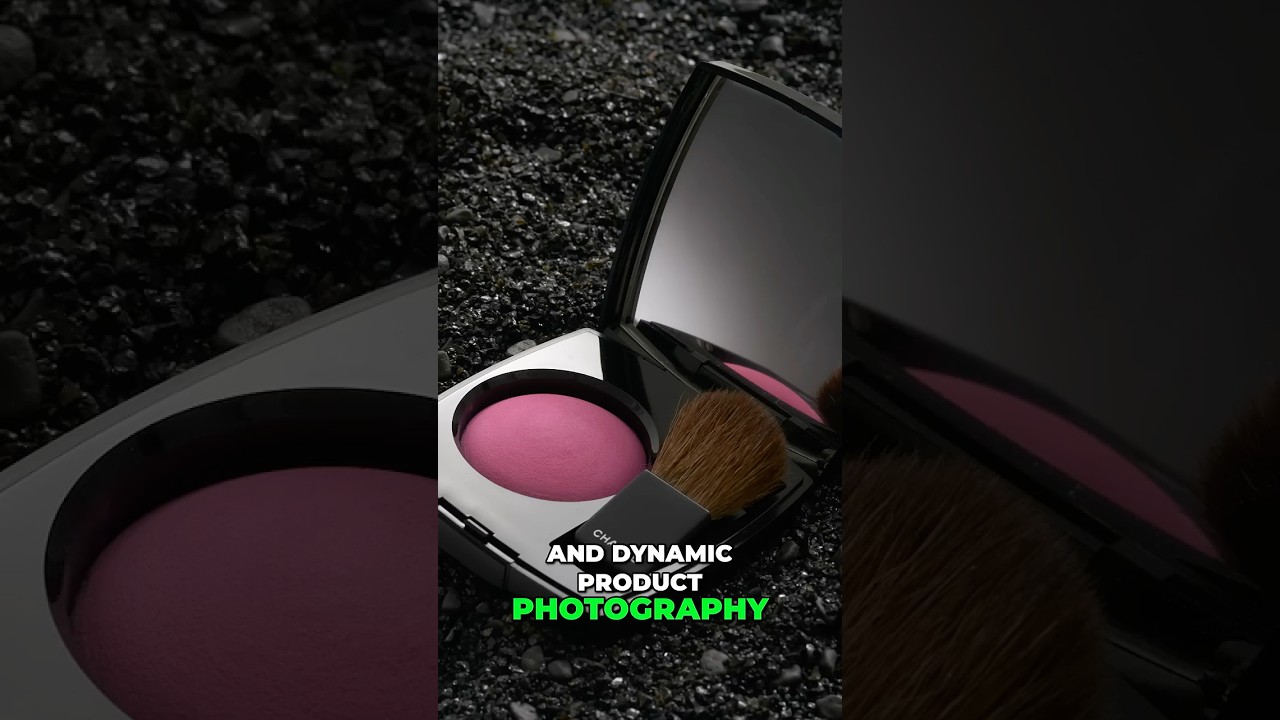
There’s a specific kind of frustration that comes from lighting a product with a glossy surface. You dial in what looks like a clean, controlled setup, take the shot, and the whole face of the product is a blown-out white rectangle. The name is gone. The color is gone. What you have is essentially a very expensive photograph of a reflection. I’ve been there more times than I want to admit, and it took me a long time to develop a reliable system for predicting where that reflection would land before I ever fired a strobe.

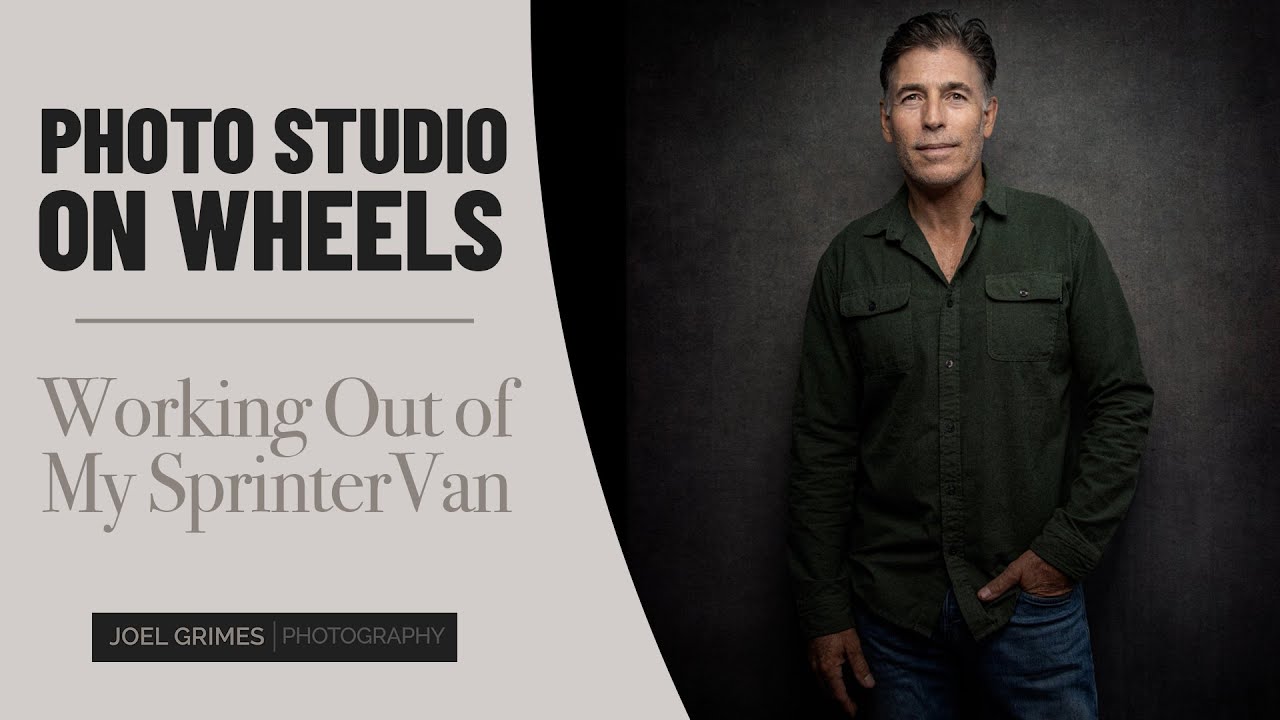
Studio Anywhere: What Joel Grimes' Sprinter Van Teaches Us About Portable Portrait Lighting

Studio Anywhere: What Joel Grimes' Sprinter Van Teaches Us About Portable Portrait Lighting

There’s a specific kind of anxiety that hits when a client wants “something different” and your entire lighting setup lives in a studio you can’t move. I’ve felt it. You start mentally cataloging what you can rent, what you can beg from another photographer, whether a speedlight-and-reflector combo can pull off the look you promised. The answer is sometimes yes, but the planning overhead is brutal. That’s why when I came across this Joel Grimes tutorial showing how he built a fully functional portrait studio inside a Winnebago Revel Sprinter van, I watched it twice before breakfast.

How I Set Up a Glamour Portrait Studio Session (And What I Learned from Tony Northrup's Shoot)

How I Set Up a Glamour Portrait Studio Session (And What I Learned from Tony Northrup's Shoot)

Every studio photographer eventually faces the same problem: too many moving pieces arriving at the same time. The model shows up, the makeup artist is still packing her kit, and you’re standing there trying to swap out a modifier while everyone watches. I’ve been there more than once in my early years, and it cost me momentum on shoots where momentum was everything. That’s why I keep coming back to tutorials that treat production logistics as seriously as they treat f-stops.

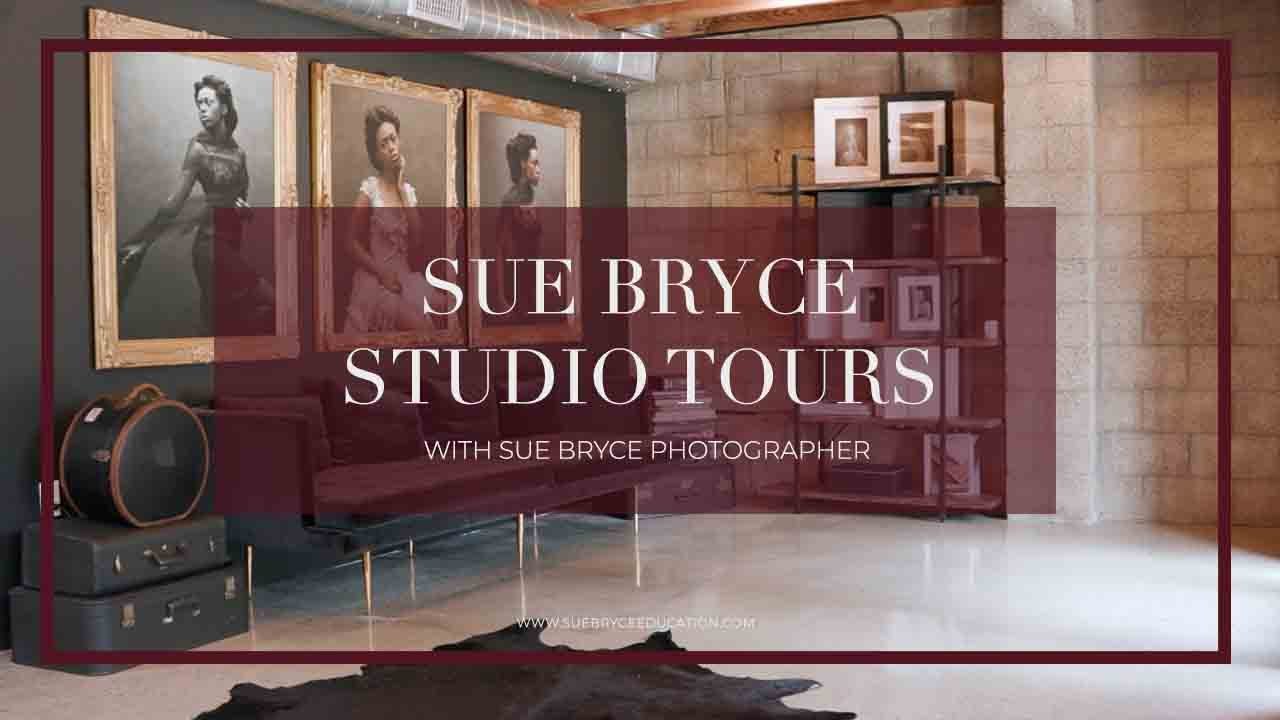
What Sue Bryce's Studio Design Teaches Every Working Photographer About Space, Flow, and Client Psychology

What Sue Bryce's Studio Design Teaches Every Working Photographer About Space, Flow, and Client Psychology

I’ve been in a lot of studios. Shot in borrowed spaces, rented daylight lofts, converted warehouses, and one genuinely terrible basement in Burbank where the ceiling was so low I had to angle every softbox sideways. What I’ve learned across all of them is that the physical space isn’t neutral. It talks to your clients before you do. It tells them what kind of photographer you are, what they can expect to pay, and whether they should trust you with something as personal as their own portrait.

What Street Photography Taught Me About Getting Out of My Own Way

What Street Photography Taught Me About Getting Out of My Own Way

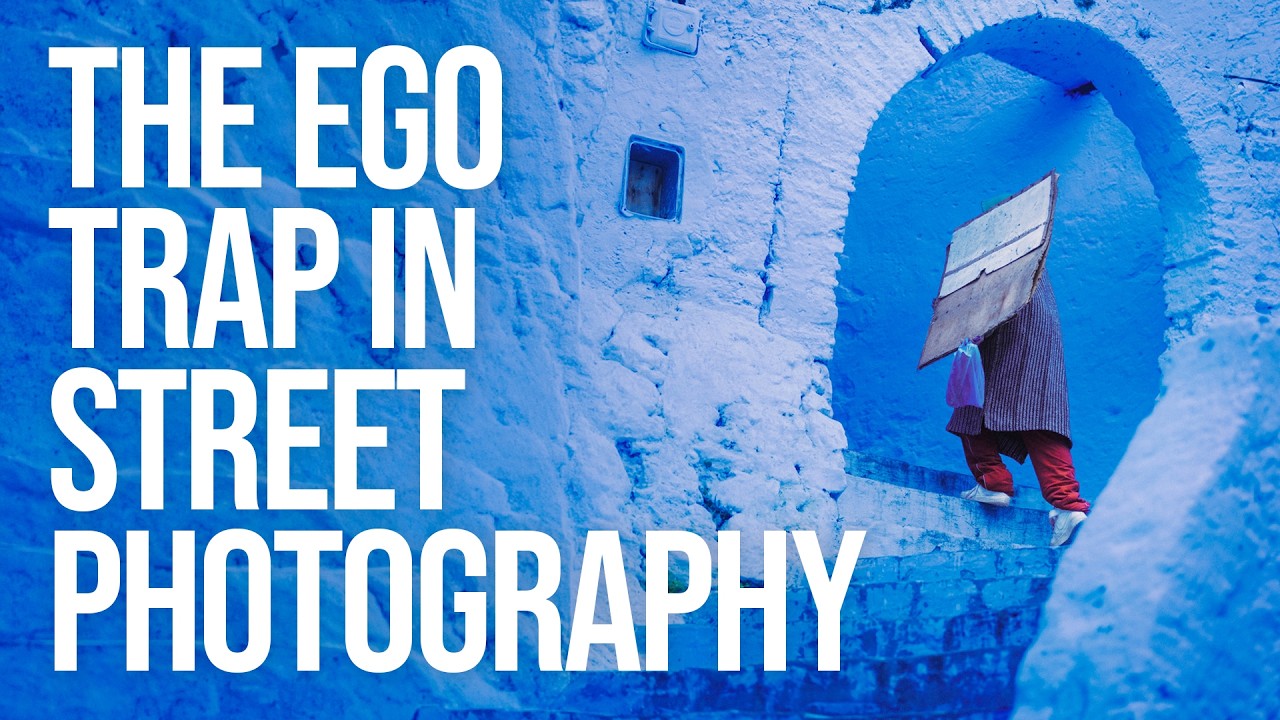
I shoot in a controlled environment for a living. Every light in my studio has a strip of masking tape on it with a name. I have a custom app on my phone for drawing lighting diagrams. When a new modifier arrives, I test it the same day it shows up at my door. I built my career on the idea that photography is something you engineer. So when a street photographer made me genuinely reconsider the way I think about images, I paid attention.

Skip the Strobes: Why Natural Light is Your Best Teacher

Skip the Strobes: Why Natural Light is Your Best Teacher

I’ve watched countless photographers make the same mistake when starting out: they assume better portraits require better gear. They spend hundreds on a flash, a softbox kit, and light stands before they’ve learned to see light at all. It’s backwards, and it’s expensive. The truth I keep returning to is simpler and more humbling. The fastest path to stronger portraits isn’t through your credit card—it’s through training your eye to recognize and manipulate light that’s already there.

Why Your Flash Photos Look Flat (And the One Ratio That Fixes Almost Everything)

Why Your Flash Photos Look Flat (And the One Ratio That Fixes Almost Everything)

The Shot That Cost Me a Client I was twenty-nine, and I had just landed my first real editorial job. The brief was a six-page fashion spread, decent budget, a full studio day. I showed up confident. I had my flashes dialed, my backdrop pressed, my assistant briefed. What I did not have was a properly calibrated color temperature across my lights. Two of my strobes were older units running warmer than the others.

Why Your Studio Workflow Is Costing You an Hour Per Shoot (And How to Fix It)

Why Your Studio Workflow Is Costing You an Hour Per Shoot (And How to Fix It)

The Shoot That Made Me Rethink Everything I once showed up to a corporate headshot day with twelve subjects booked in four hours and no written lighting plan. I had the setup in my head. I’d shot similar work a hundred times. What I hadn’t accounted for was the studio assistant I’d never worked with before, a modeling session that ran over and compressed my setup window, and the fact that I’d swapped my key light modifier the night before and hadn’t re-metered the ratios.

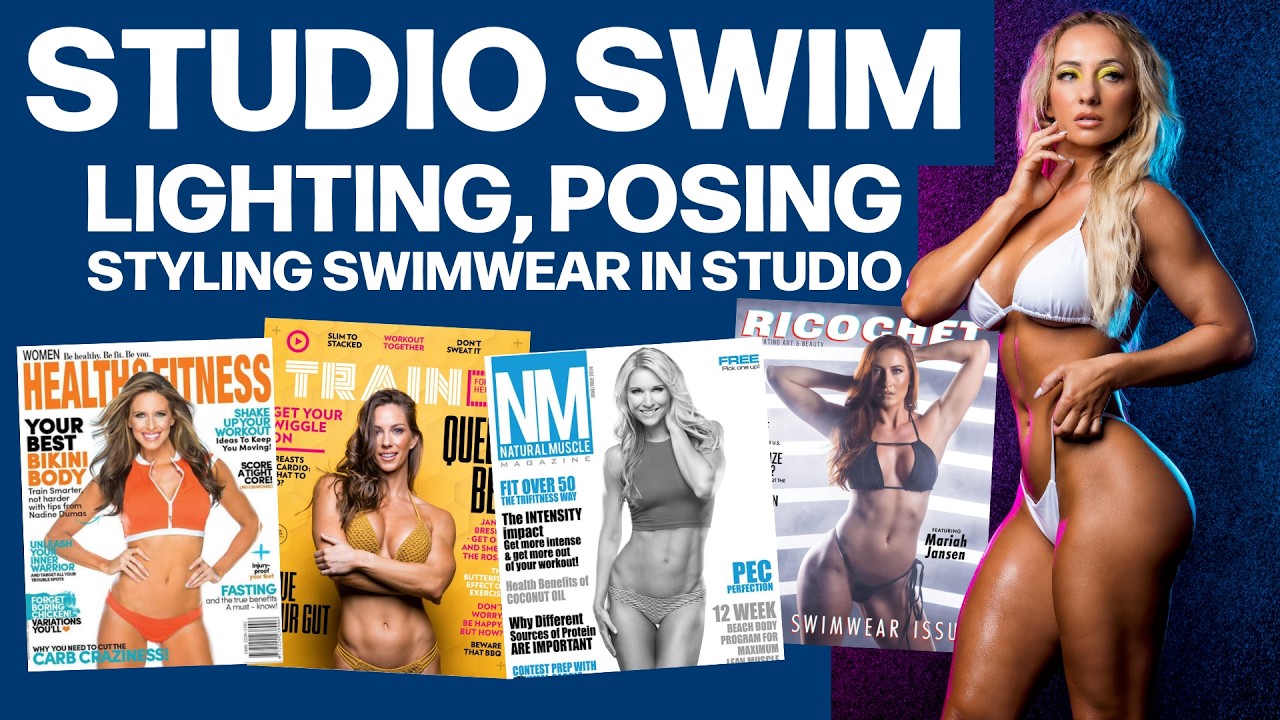
How to Light and Pose Swimwear in the Studio Without a Pool, a Beach, or a Prayer

How to Light and Pose Swimwear in the Studio Without a Pool, a Beach, or a Prayer

Last month I got a booking from a small activewear brand that had pivoted into swimwear. They needed catalog shots, clean white-background stuff, and a handful of editorial-leaning images for their website hero. I’ve shot plenty of fitness and apparel work, but swimwear has its own specific gravity. The lighting that flatters a jacket flatters almost nothing else. The posing that reads confident in sportswear can read uncomfortable or overly exposed in a swimsuit.