Stop Shooting with White Light: How Creative Gels Can Transform Your Studio Work

Stop Shooting with White Light: How Creative Gels Can Transform Your Studio Work

The Shot That Made Me Take Gels Seriously I was three hours into a beauty editorial when the creative director leaned over my shoulder and said, “It’s technically perfect and completely boring.” She wasn’t wrong. Every light was dialed in, ratios were clean, skin tones were accurate. And the image looked like a catalog photo for a brand nobody cared about. We ended up throwing a quarter-cut CTO on the hair light and a pale lavender gel on the background, and the next frame we shot was the one that ran as the opener.
Flash Duration, Not Shutter Speed: How to Freeze a Liquid Pour in the Studio

Flash Duration, Not Shutter Speed: How to Freeze a Liquid Pour in the Studio

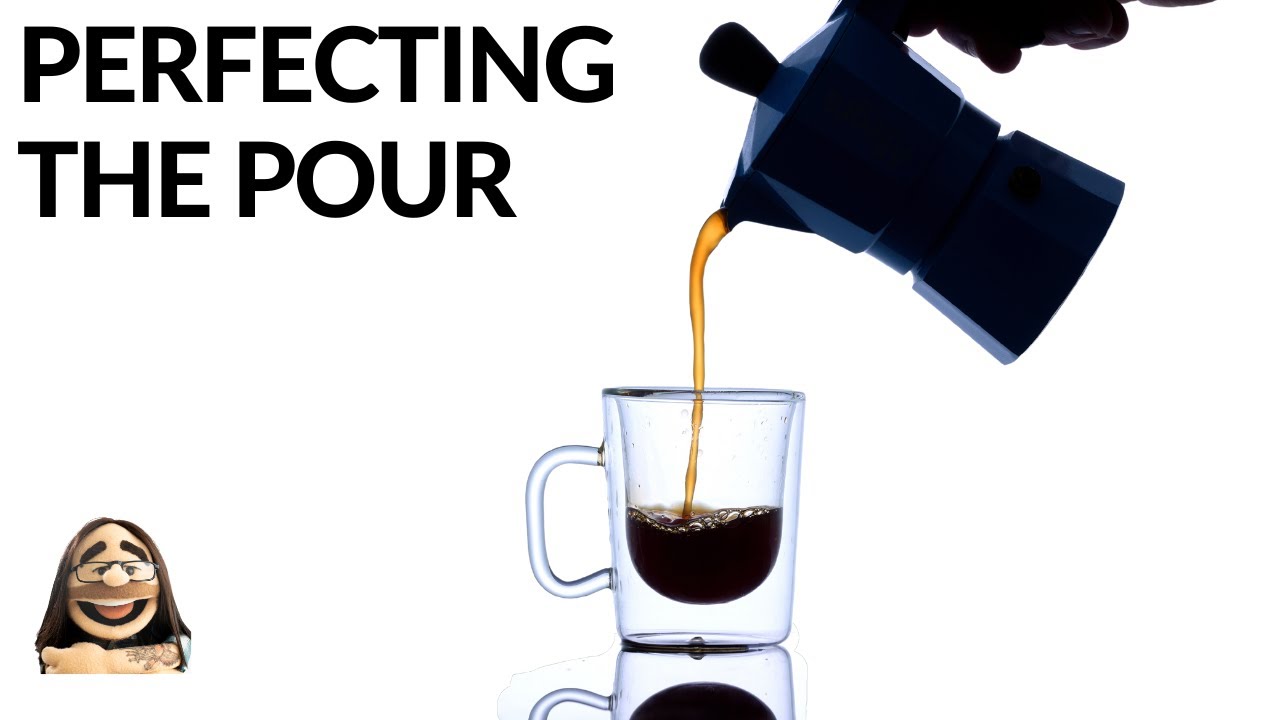
Every few months a client sends me a brief with a liquid shot in it. Coffee pouring into a cup. Whiskey splashing over ice. A serum drop hitting a surface. And every time, I watch junior photographers on set reach for the shutter speed dial as if that’s what’s going to save them. It isn’t. In studio conditions with flash, your shutter speed is nearly irrelevant to motion blur. What actually freezes the liquid is the duration of the flash itself, and if you don’t understand that distinction, you’ll keep getting soft, ghosted pours no matter how fast you shoot.

Direct Flash Done Right: How to Nail the Gritty Editorial Look With a $20 Bracket

Direct Flash Done Right: How to Nail the Gritty Editorial Look With a $20 Bracket

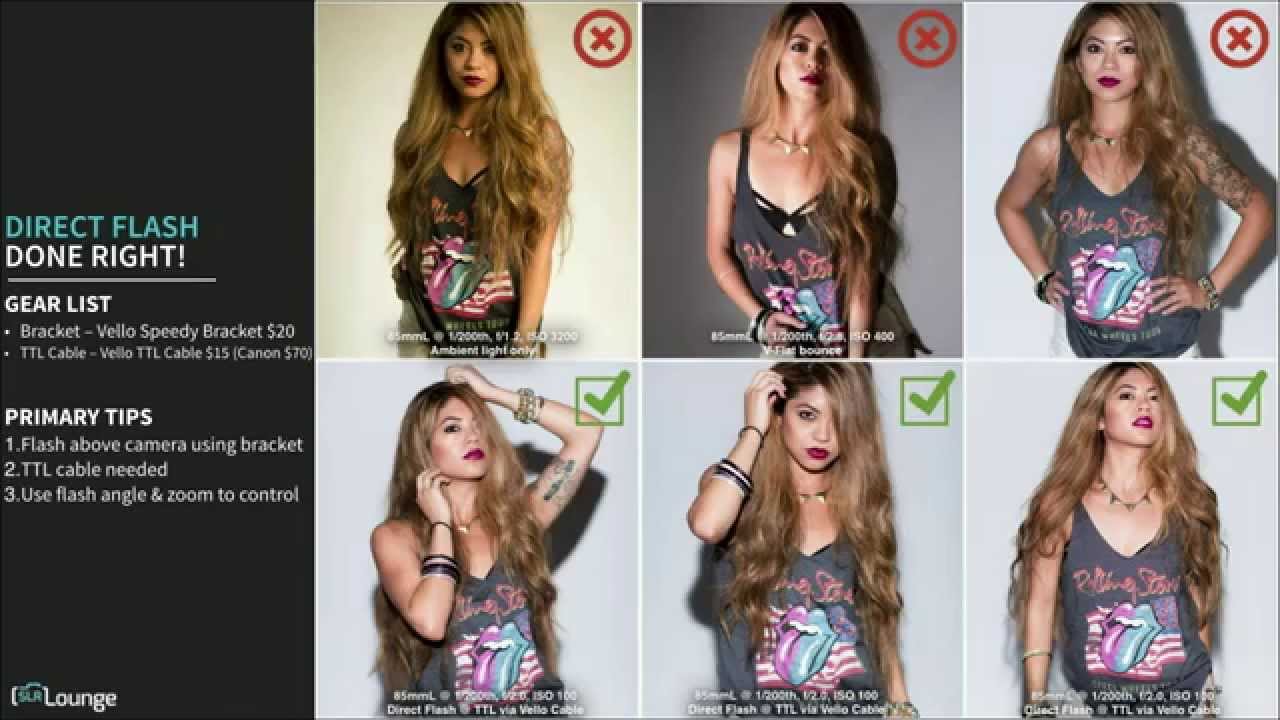
Direct flash has a reputation problem. Mention it to most photographers and they assume you mean the flat, washed-out snapshots from a disposable camera. But there is a version of direct flash that is intentional, controlled, and genuinely striking — the kind of look you see in American Apparel campaigns, celebrity punk portraits, and editorial spreads that want to feel raw and immediate. Getting there takes about two pieces of cheap gear and a clear understanding of what you are actually controlling.

Kitchen Light: How to Photograph a Bottle with Zero Studio Gear

Kitchen Light: How to Photograph a Bottle with Zero Studio Gear

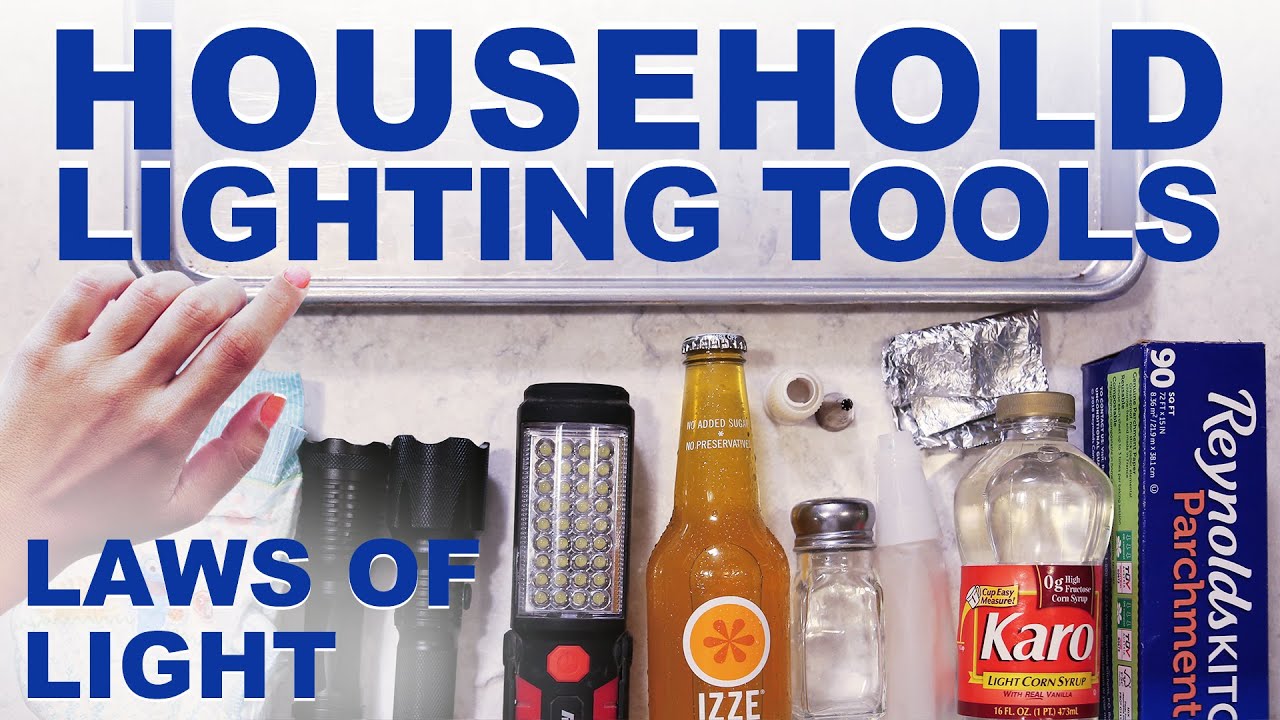
Every commercial photographer hits the same wall at some point: a client wants a polished product shot, you’re not in your studio, and the gear list you’d normally pull from is nowhere within reach. I’ve been in that position more than once, and it has a way of clarifying what you actually understand about light versus what you’ve been leaning on your equipment to solve. That’s why I keep coming back to constraint-based tutorials whenever I want to sharpen my eye.

Westcott's New FJ100 Series Proves Compact Wireless Flash Doesn't Mean Compromised Power

Westcott's New FJ100 Series Proves Compact Wireless Flash Doesn't Mean Compromised Power

Compact Flash Systems Are Finally Growing Up I’ve watched the wireless flash market evolve over the past decade, and I’m genuinely impressed by where Westcott is taking things with their new FJ100 lineup. We’re reaching an inflection point where “compact” no longer means “stripped-down amateur gear”—and that changes everything for how we light our shoots. Westcott just rolled out two new additions to their FJ wireless ecosystem: the FJ100 Touchscreen Strobe and the FJ100 Touchscreen Speedlight.

Strobe Plus Reflector: The Two-Light Location Setup That Does the Work of Three

Strobe Plus Reflector: The Two-Light Location Setup That Does the Work of Three

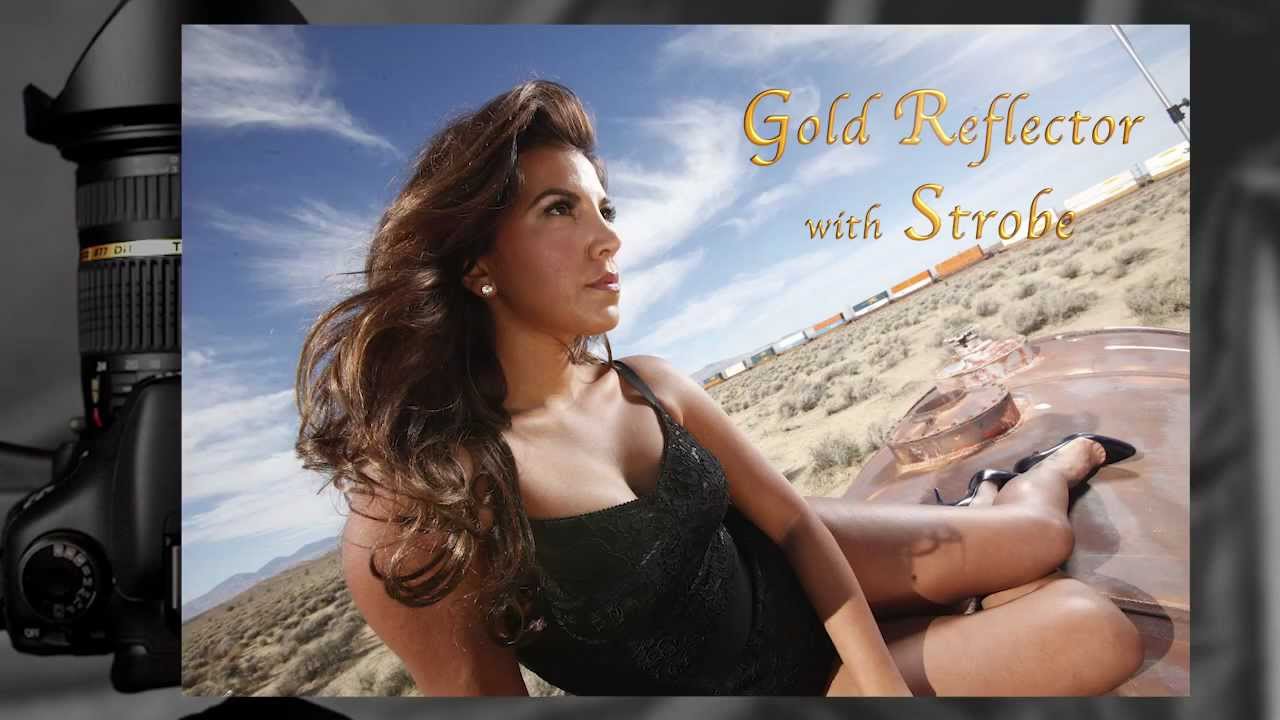
There’s a specific frustration that comes up on almost every outdoor portrait shoot, and if you’ve been doing this long enough, you know exactly what I mean. You meter for the sky, and your subject goes dark. You expose for your subject, and the sky blows out. You’re constantly trading one problem for another, and no amount of reflector-wrangling fully closes the gap. It’s the kind of thing that used to derail my editorial work before I got disciplined about treating ambient and artificial light as two separate, controllable variables rather than one problem to compromise on.

Inside a Working Portrait Studio: Gear, Lighting Logic, and the Lessons That Cost Money to Learn

Inside a Working Portrait Studio: Gear, Lighting Logic, and the Lessons That Cost Money to Learn

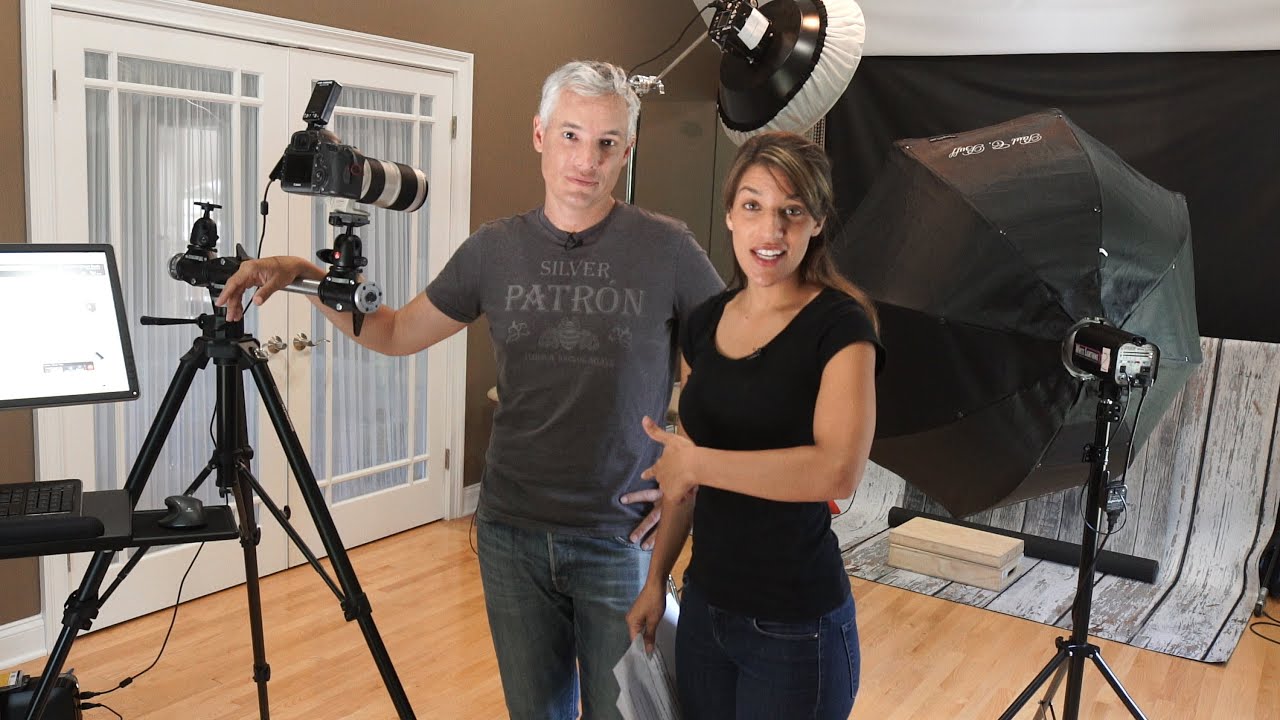
Every time I walk into my studio in Los Angeles, I spend the first ten minutes doing a checklist before a single client arrives. Sandbags on every stand. Numbers on every light. Tethering cable routed so nobody trips over it. It took me years to build that habit, and most of it came from mistakes that were embarrassing and expensive in equal measure. So when I came across Watch the full tutorial on YouTube - the Tony and Chelsea Northrup portrait studio tour - I recognized immediately that this was the kind of walkthrough I wish had existed when I was setting up my first real space.

Off-Camera Flash Without the Guesswork: Channels, Zones, and Triggering Systems Explained

Off-Camera Flash Without the Guesswork: Channels, Zones, and Triggering Systems Explained

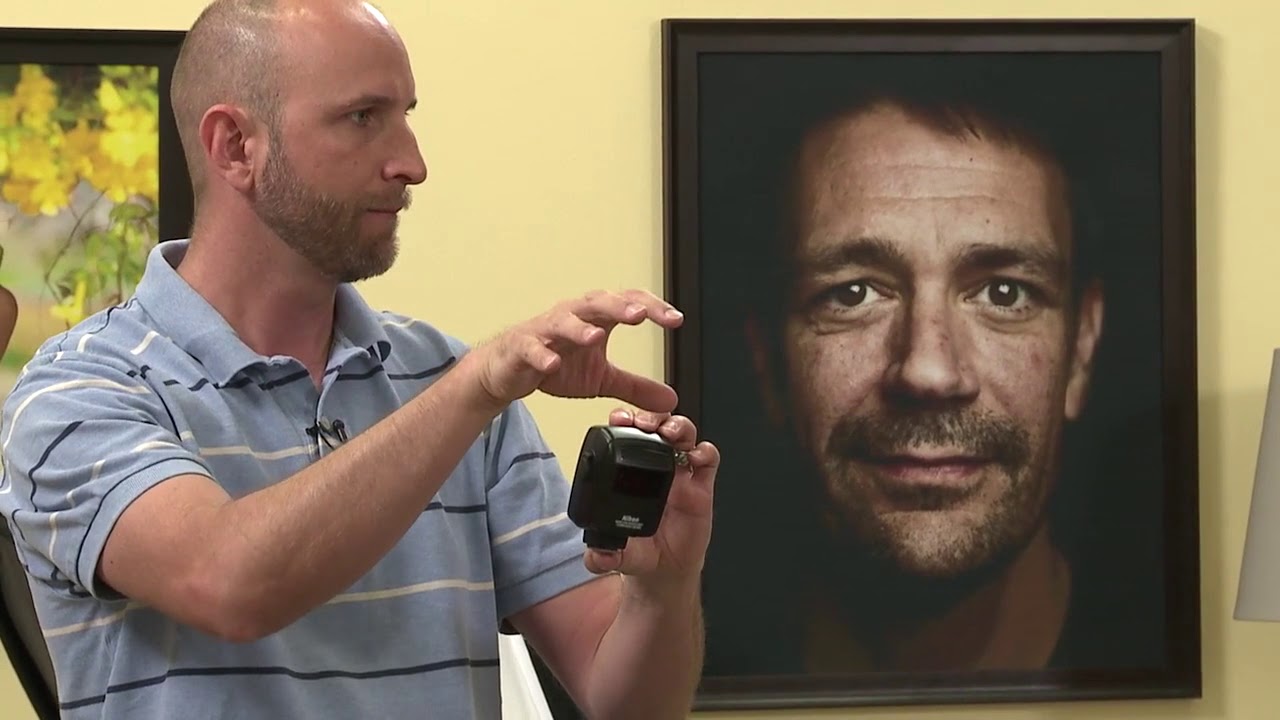
Every time I walk into a new studio space, the first thing I do is tape labels on every light. Masking tape, black marker, “KEY,” “FILL,” “KICKER.” It looks ridiculous. It has saved me from catastrophic mistakes more times than I can count. That habit came from learning, the hard way, that when you’re managing multiple off-camera flashes, confusion is expensive. Missed sync, wrong zone triggering the wrong light, two photographers’ systems fighting each other at an event shoot — these are real problems that happen to real working photographers.

Low Key Lighting: How to Build Shadows That Actually Do the Work

Low Key Lighting: How to Build Shadows That Actually Do the Work

The Shoot That Made Me Respect the Shadow A few years ago I was hired to photograph a series of executive portraits for a financial firm in downtown Los Angeles. The creative director had sent me a mood board full of low key reference images. Dark backgrounds, strong rim separation, faces carved out of shadow. I knew the look. I’d done it before. What I hadn’t done was test my new 47-inch parabolic against that specific background at that distance in that room.

Low Key Silhouette Lighting: A Two-Light Setup That Actually Works in a Real Studio

Low Key Silhouette Lighting: A Two-Light Setup That Actually Works in a Real Studio

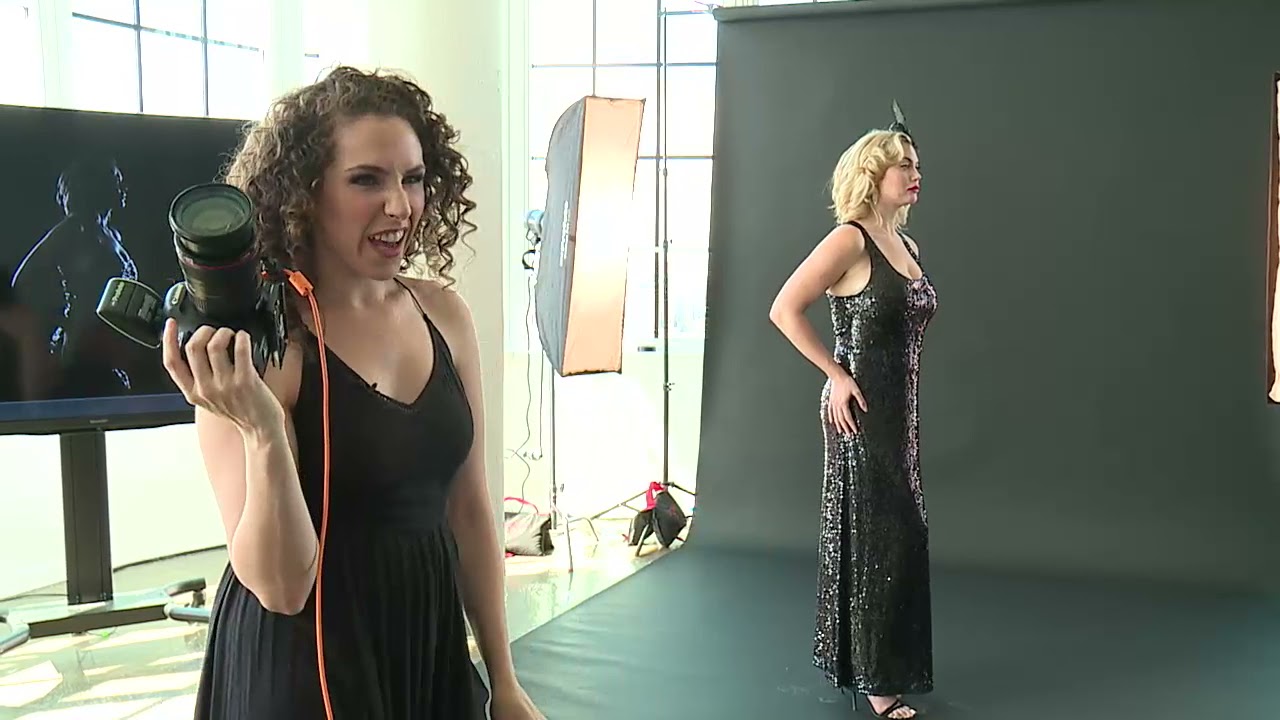
There’s a specific kind of client brief that used to make me nervous early in my career: “dramatic, dark, high-contrast.” It sounds simple until you’re standing in front of a bright, windowed studio trying to sculpt shadows that don’t exist. Low key lighting is one of those techniques that looks effortless in the final image and chaotic in practice if you haven’t built a reliable process around it. I’ve shot enough fashion and beauty work to know that when this setup goes wrong, it goes wrong fast, and usually right before the client walks in.

How to Build a Real Working Studio on $1K, $2.5K, or $5K (A Gear Breakdown That Actually Makes Sense)

How to Build a Real Working Studio on $1K, $2.5K, or $5K (A Gear Breakdown That Actually Makes Sense)

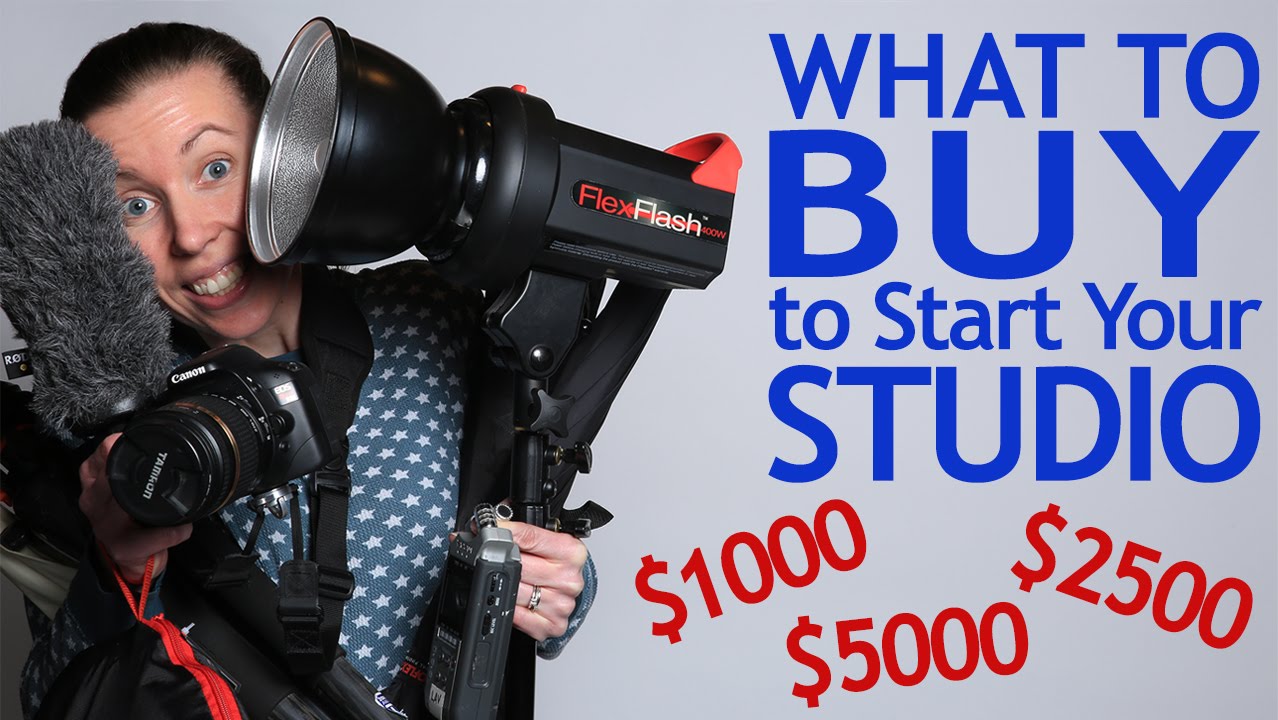
One of the questions I get more than almost any other, from assistants on my commercial shoots and photographers at workshops, is some version of: “I want to set up a studio. Where do I even start?” The problem with most gear guides is that they either assume unlimited budget or they recommend the cheapest possible option without thinking about what you’re actually trying to produce. What I appreciate about JP Morgan and Lars Lindstrom at The Slanted Lens is that they approach gear the way a working photographer actually thinks about it: budget first, priorities second, compromises third.

The Satellite Staro: What This Discontinued Modifier Taught Me About Filmic Studio Light

The Satellite Staro: What This Discontinued Modifier Taught Me About Filmic Studio Light

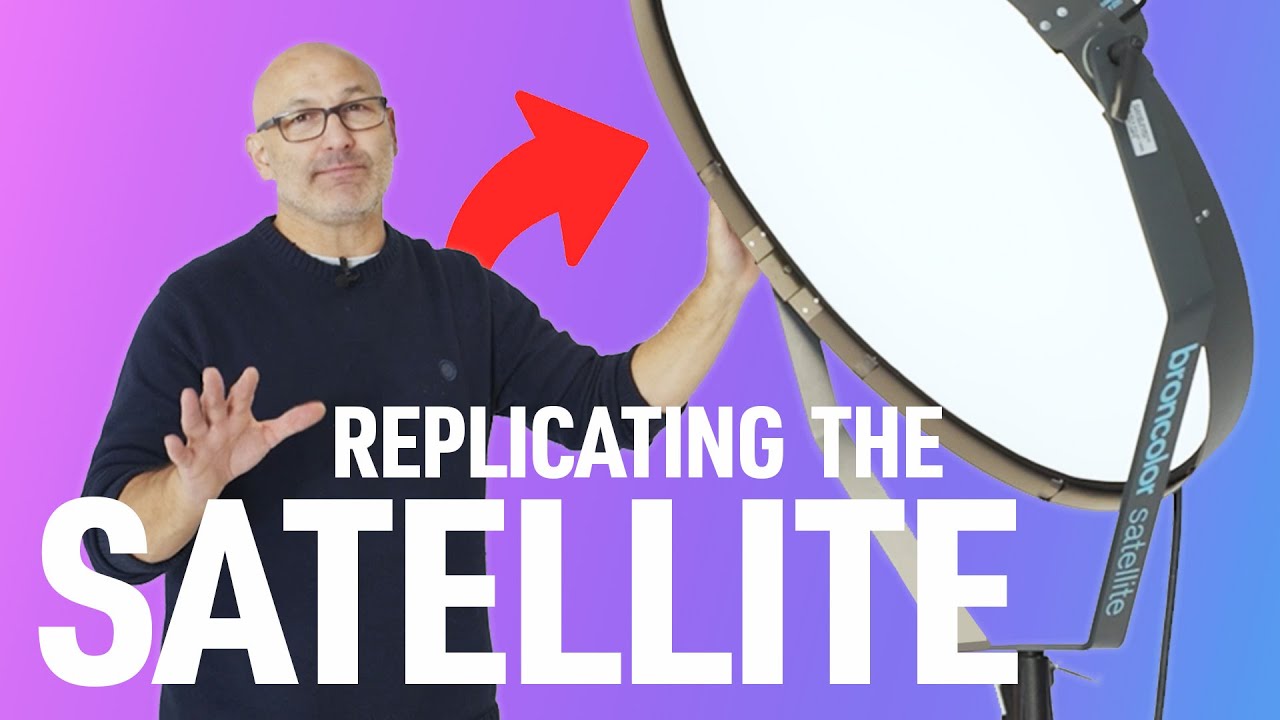
There are modifiers I reach for out of habit, and then there are the ones that genuinely change how I think about light. The Satellite Staro from Broncolor falls into the second category, even though I came to it late and even though Broncolor has since pulled it from production. I keep a lighting journal, every setup from every shoot sketched out with notes on what worked and what didn’t, and the Staro has its own dedicated page with question marks next to words like “filmic” and “tonal depth.