Posts

Rim Lighting: The Technique That Separates Amateurs From Professionals

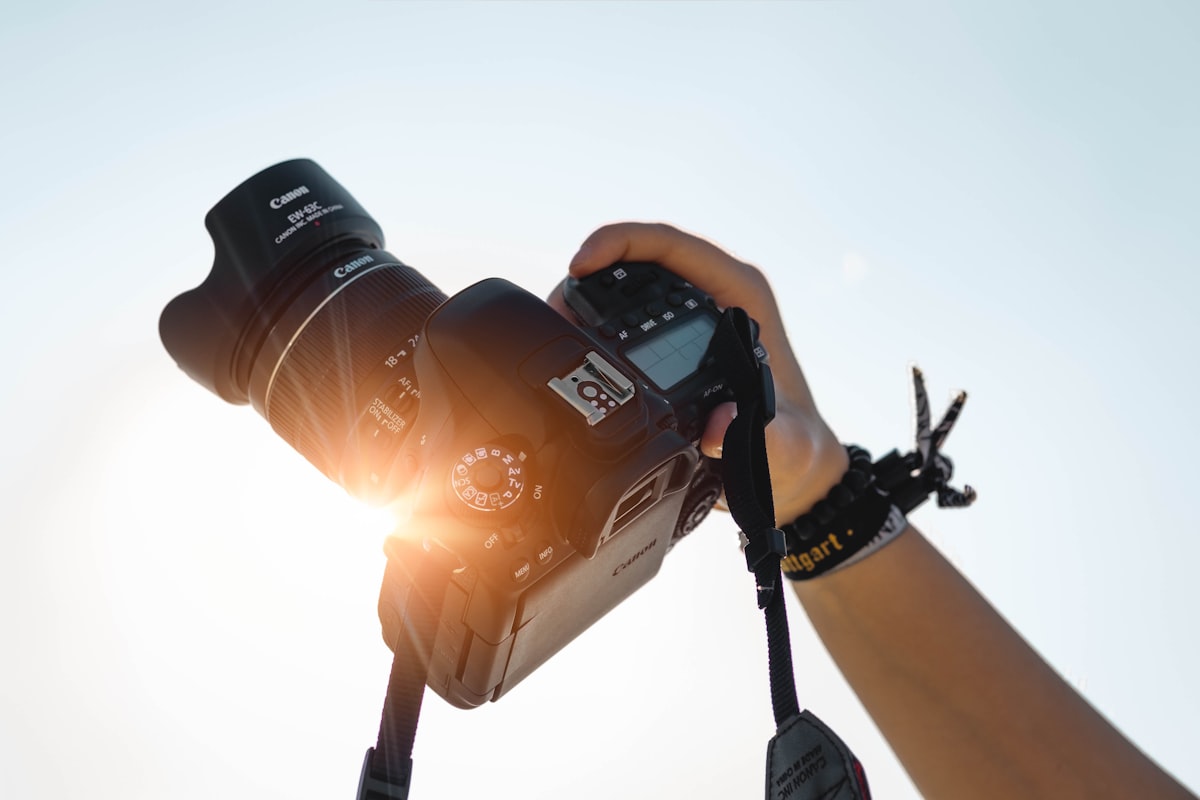
What Rim Lighting Actually Does I’ve watched hundreds of photographers struggle with flat, lifeless portraits. The problem usually isn’t their main light—it’s the absence of rim lighting. A rim light is a backlight positioned behind your subject, angled slightly toward the camera. Its job is surgical: create separation between subject and background while adding three-dimensional form to hair, shoulders, and edges. Think of it like seasoning in cooking. Your key light is the main ingredient.
Posts

The Architecture of Posing: Building Frames That Work With Light, Not Against It

The Architecture of Posing: Building Frames That Work With Light, Not Against It I’ve watched countless photographers spend thousands on modifiers and spend zero time thinking about how a subject’s position actually interacts with those modifiers. That’s backwards. Posing isn’t decoration—it’s structural. The angle of a shoulder determines whether light wraps or clips. The tilt of a head changes whether you’re sculpting or flattening. Get this right, and mediocre lighting looks intentional.

Posts

Studio Workflow: From Client Arrival to Final Image

A smooth studio workflow delivers consistent results, keeps sessions on schedule, and creates a professional experience that clients remember. The best photographers don’t improvise their workflow — they’ve developed a repeatable system that handles every session from the moment the client walks in to the delivery of final images. Before the Client Arrives Equipment Check (30 Minutes Before) Test every piece of equipment you plan to use: Fire each flash and verify it triggers reliably Check battery levels on all strobes and camera bodies Verify your tethering connection works (if shooting tethered) Set up your first lighting configuration Take a test shot and evaluate on a calibrated monitor Finding a dead battery or a misfiring strobe during the session wastes the client’s time and undermines their confidence.

Posts

High-Speed Sync Flash: When and Why You Need It

High-Speed Sync (HSS) lets you use flash at shutter speeds faster than your camera’s native sync speed — typically above 1/200s or 1/250s. This seemingly technical feature solves a very practical problem that every outdoor portrait photographer encounters: balancing flash with bright ambient light while maintaining shallow depth of field. The Sync Speed Problem Your camera’s sync speed is the fastest shutter speed at which the entire sensor is exposed simultaneously.

Posts

Lighting Glasses: How to Avoid Glare and Reflections

Glasses are a portrait photographer’s recurring challenge. Those curved glass surfaces act as mirrors, reflecting your lights, your softbox shape, and sometimes your entire studio back at the camera. Every solution involves either preventing the reflection from forming, redirecting it away from the camera, or positioning the lights so the reflection falls outside the lens area. Why Glasses Create Reflections Glass reflects light at the same angle it receives it — the angle of incidence equals the angle of reflection.

Posing Guide: Hands and Arms in Portrait Photography

Hands are the most frequently problematic element in portrait photography. They either look stiff, disappear awkwardly, or dominate the frame. The good news is that a few clear principles solve the majority of hand and arm posing problems. The Core Principle: Give Hands Something to Do Hands look worst when they hang lifelessly at someone’s sides. The moment you give them a purpose, touching a surface, holding an object, resting on a body, they look natural.

Posts

The V-Flat: The Most Versatile Studio Tool You'll Ever Own

A V-flat is two large flat panels (typically 4x8 feet) hinged together so they stand upright in a V shape. One side is white, the other is black. This simple construction — essentially two sheets of foam board taped together — is arguably the most versatile tool in any portrait studio. White Side: Bouncing Light The white side of a V-flat acts as a massive reflector. Position it opposite your key light and it bounces soft, broad fill light back onto the shadow side of your subject.

Posts

How to Create Dramatic Low-Key Portraits

Low-key portraits use predominantly dark tones with selective highlights to create drama, mystery, and emotional intensity. The technique draws from chiaroscuro painting — the interplay of light and dark that Rembrandt and Caravaggio used to create depth and mood. In photography, it means controlling exactly where light falls and where darkness remains. Understanding Low-Key Low-key isn’t just underexposure. A poorly exposed portrait is dark everywhere; a low-key portrait is intentionally dark with precise highlights that sculpt the subject.

One Light Setup: Everything You Can Do with a Single Strobe

The most common misconception in studio photography is that you need multiple lights to produce professional results. You do not. A single strobe, paired with the right modifier and placement, can produce an enormous range of looks. Mastering one light is the foundation upon which every multi-light setup builds. The Core Variables With one light, you control the image through four variables: Light position (angle and height relative to the subject) Modifier type (what shapes and softens the light) Distance from subject (controls both softness and falloff) Power setting (determines exposure and ratio to ambient light) Every single-light portrait is a combination of these four choices.

Posts

Butterfly Lighting and the Beauty Setup

Butterfly lighting — also called Paramount lighting because of its use in classic Hollywood glamour portraits — places the key light directly in front of and above the subject’s face. Named for the butterfly-shaped shadow it creates under the nose, this pattern is the foundation of beauty photography lighting. The Setup Position a single light source directly in front of the subject, centered on their face, and raised 2-3 feet above eye level.

Metering Flash: Understanding TTL vs Manual

Every external flash operates in one of two modes: TTL (Through The Lens) automatic metering, or manual power control. Understanding when each mode is appropriate, and how to meter effectively in both, eliminates the most common flash exposure problems. How TTL Works TTL metering fires a pre-flash, an extremely brief burst of light, milliseconds before the actual exposure. The camera’s meter reads the light reflected from this pre-flash through the lens, calculates the flash power needed for correct exposure, and sets the main flash output accordingly.

Posts

Environmental Portraits: Lighting People in Context

Environmental portraits tell a story that studio portraits can’t. A chef in their kitchen, an artist in their studio, a farmer in their field — the environment provides context that gives the viewer insight into who the person is. But lighting these scenes is fundamentally different from studio work. You’re not creating light from scratch — you’re integrating with light that already exists. The Environmental Portrait Philosophy The environment is as important as the subject.